Cleaning up litter may be one of the less glamorous parts of working as a national park ranger, but at Yellowstone National Park, the job is particularly important because trash can pose a serious threat to the park’s geothermal features.With more than 4.5 million visitors each year, Yellowstone rangers regularly remove litter from some of the park’s most popular areas, including Old Faithful and Midway Geyser Basin. While food wrappers, tissues and water bottles are among the common items found, strong winds can also send visitors’ belongings into the park’s hydrothermal features.According to the United States Geological Survey (USGS), Yellowstone’s geology team has removed more than 20,100 pieces of trash from geothermal areas so far in 2026. They have also collected more than 5,000 rocks and sticks and, surprisingly, 280 visitor hats.
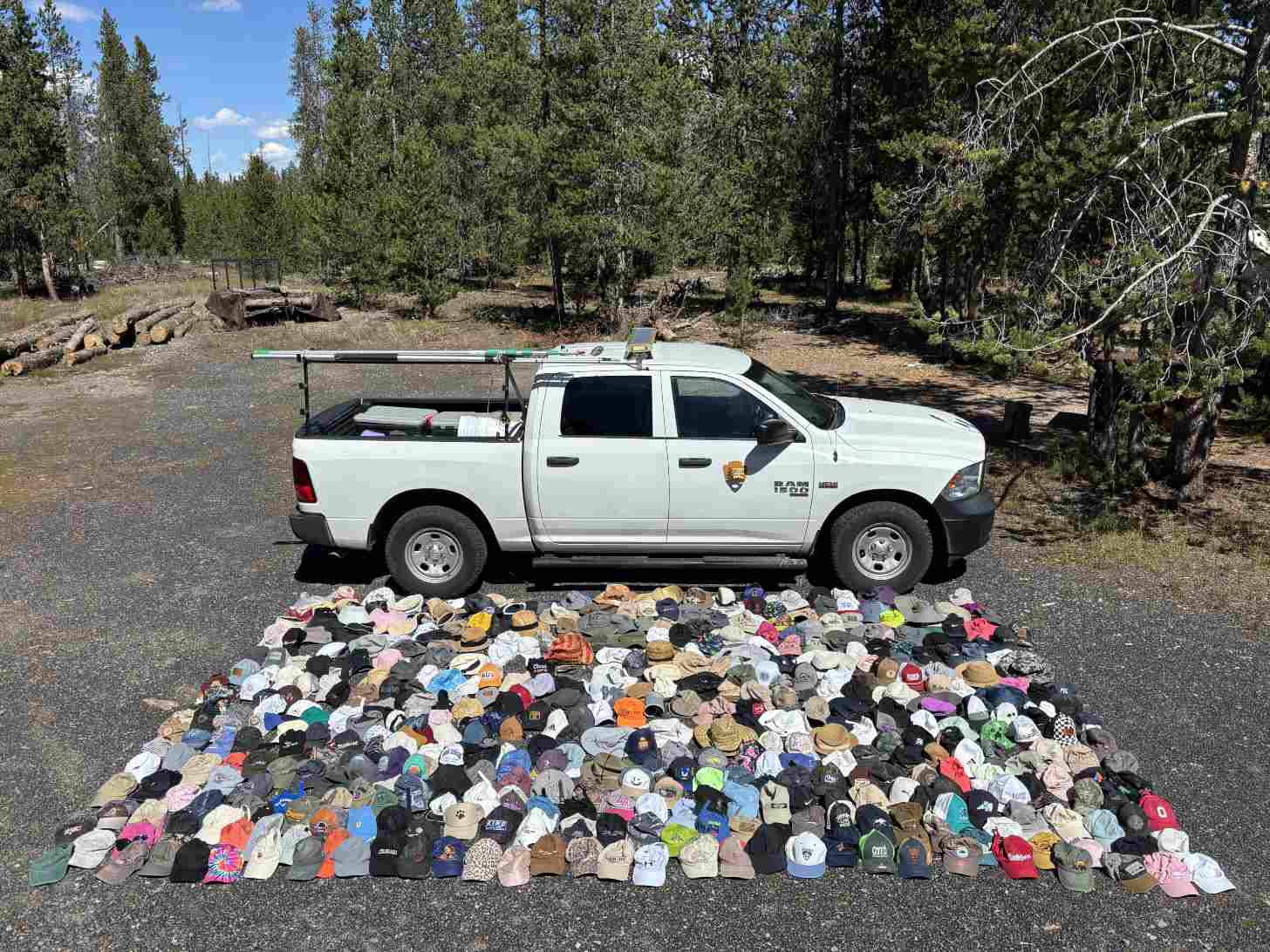
More than 280 visitor hats were collected across Yellowstone in 2026. (Photo: NPS)
“No matter the type of debris, it needs to be removed,” the USGS said, explaining that foreign material can damage or permanently alter hydrothermal features by clogging water supplies, blocking or diverting runoff channels, or introducing chemicals and sediment.Among the hundreds of hats recovered this year are a FIFA 2026 Men’s World Cup hat, a baseball cap labelled “COWBOY HAT” and a Roblox bucket hat from St. Kitts and Nevis.After the 2026 season ends, hats that can be reused will reportedly be washed and donated to local organisations.
Yellowstone’s hot springs are not wishing wells
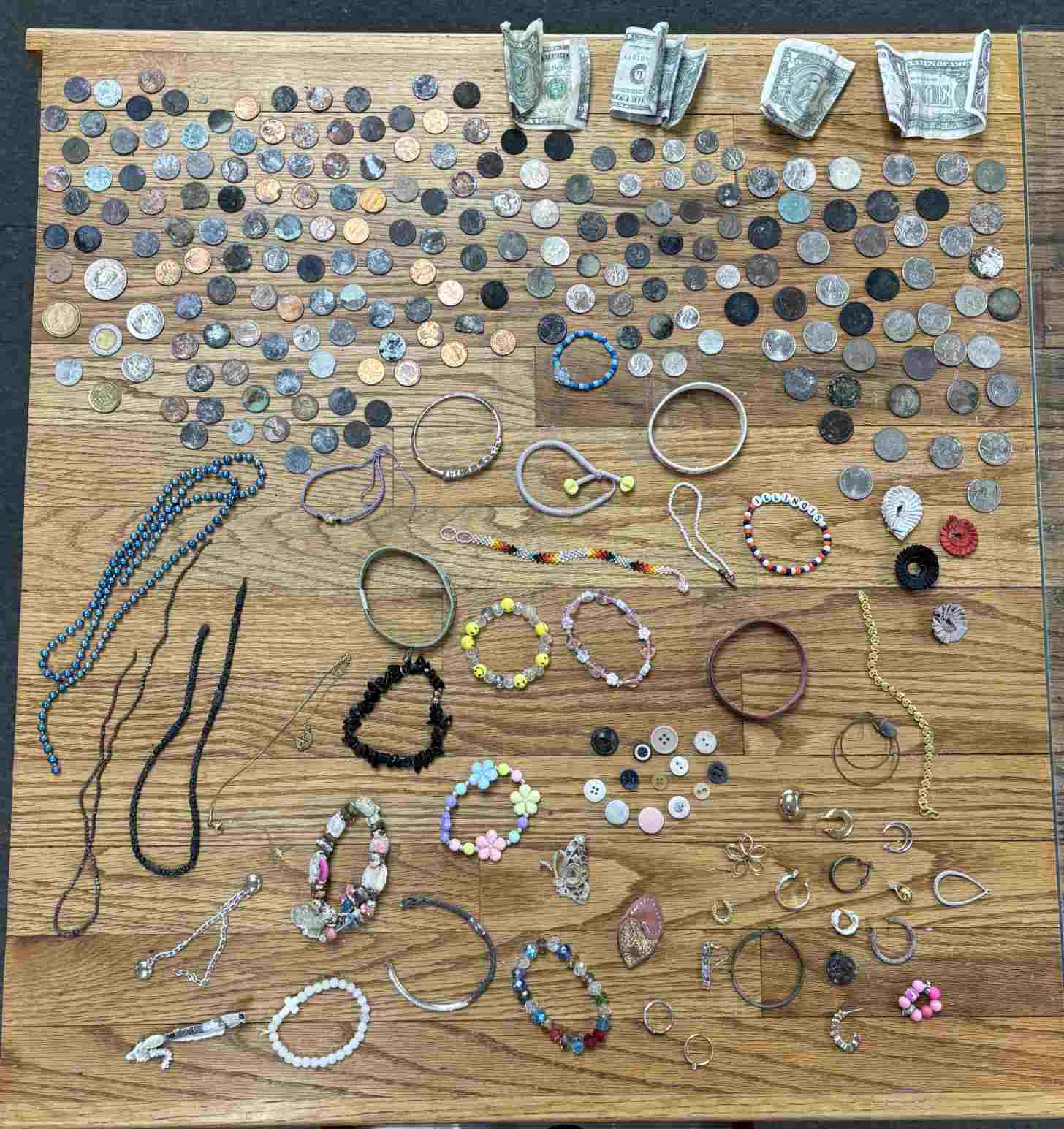
Rangers urge visitors to stash their trash while exploring Yellowstone. (Photo: NPS)
Coins are another recurring problem for Yellowstone’s geothermal areas.“Contrary to (apparently) popular belief, hot springs are not wishing wells!” the USGS warned.The agency explained that coins can clog hydrothermal vents and harm bacterial and algal formations, with resulting damage potentially taking months or even years to recover.As of September 2026, Yellowstone staff had collected more than $18 in coins. Some had been deliberately tossed into hot springs and geysers, while others were likely dropped accidentally between boardwalk planks.The collection has included not only US currency but also pesos, yen, euros and Canadian dollars.
Camera lens caps, pacifiers and hotel key cards among items found
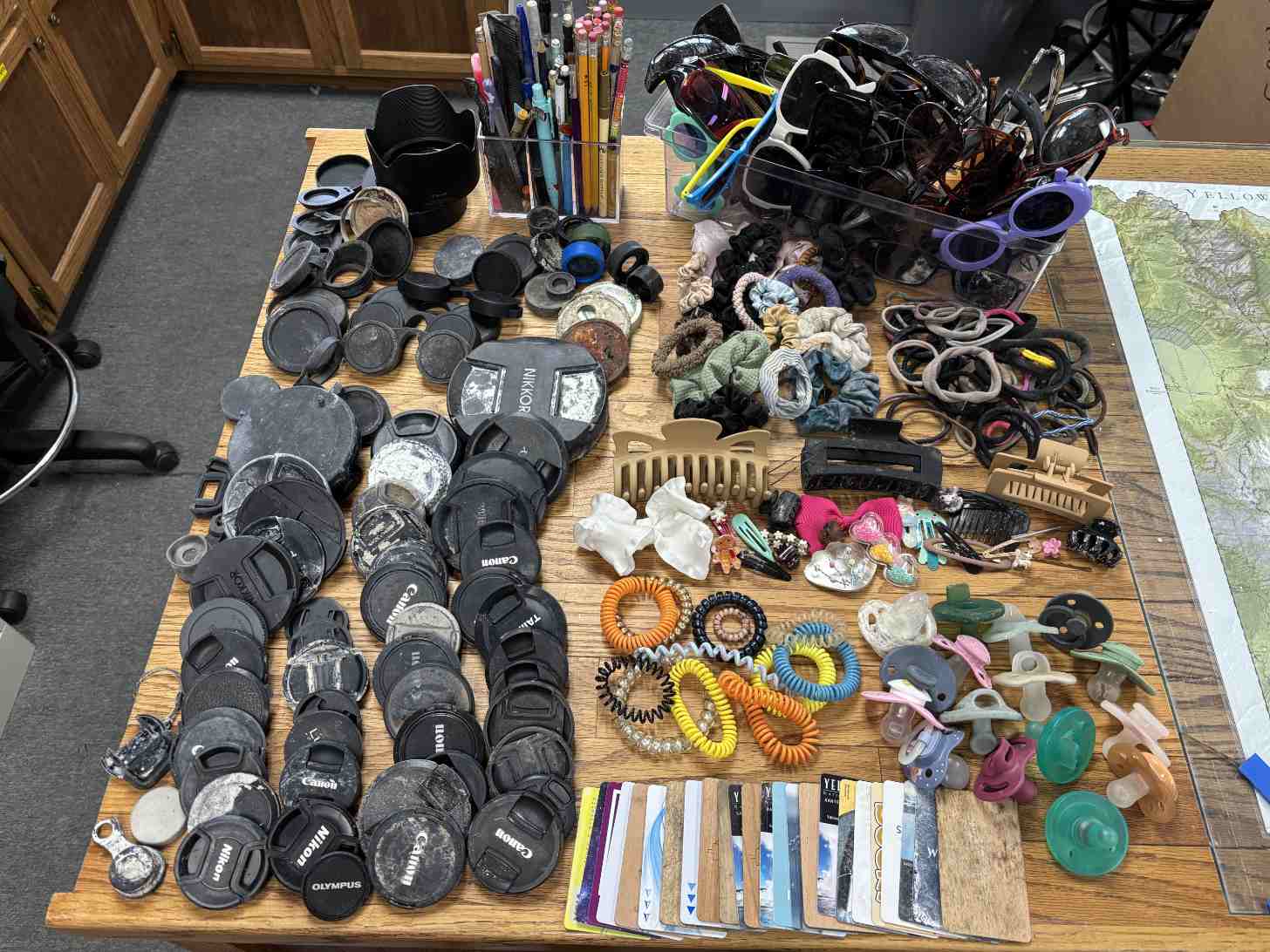
AirPods, golf tees and Invisalign retainers were among the unusual finds. (Photo: NPS)
The park’s geology team has also recovered a surprising assortment of everyday objects this year.Some of the most frequently found items include 54 camera lens caps, 47 hair ties, 42 pencils, 36 pairs of sunglasses, 20 hotel key cards and 17 baby pacifiers.Some discoveries were considerably stranger. Among the items listed by the USGS were AirPods, golf tees, an inhaler, six Invisalign retainers, 15 fake nails, floss picks and a lump of glittery slime believed to be a children’s toy.Other children’s toys have also ended up in the park, including miniature figures, bouncy balls, fidget spinners and rubber ducks.The USGS also highlighted some of the staff’s favourite discoveries, including seven Polaroid photographs. Several of the photographs reportedly depicted the very hydrothermal features where they were found.Yellowstone souvenir pennies and Pokemon cards were also among the more unusual items recovered.
Why removing trash from geothermal areas matters
The litter cleanup is not simply about keeping Yellowstone looking pristine. The park’s hydrothermal features are delicate, and introducing foreign objects can interfere with their natural processes.The USGS said Yellowstone’s Geology Program staff, who are trained in safely navigating hydrothermal areas, carry out much of the removal work. Alongside collecting trash and other debris, they monitor chemical and temperature conditions, assess hydrothermal incidents and educate visitors.Visitors are encouraged to “stash their trash” by keeping wrappers, paper and other lightweight items securely inside pockets or bags, or disposing of them in trash cans.And for those visiting Yellowstone’s windy geothermal areas, the USGS has one final piece of advice: “If you’re adventuring in a windy area, consider tightening or taking off your hat.”