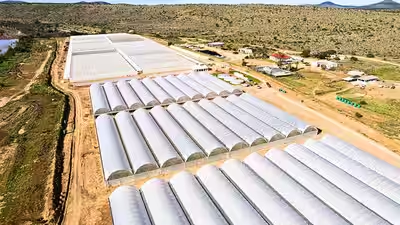

Bill Gates, the co-founder of Microsoft, has shifted from a global technology leader into the most significant private owner of farmland in the United States. His portfolio now spreads to approximately 242,000 acres of agricultural land, which represents a massive investment in the nation’s soil. His name is sometimes associated with software and global health initiatives, but the shift into the agricultural sector highlights a growing trend of wealthy private interest in rural property.Much of these holdings are concentrated in the southern states, particularly in Louisiana and Arkansas, where vast stretches of productive land are now managed by his investment. This development has given rise to a widespread conversation among agricultural communities and economists about the impact of non-farming landlords.
Total amount of farmland owned by Bill Gates in the US
According to ‘Arkansas Money & Politics,’ Gates has accumulated a total of 268,984 acres of land across the country. The majority of this contains farmland, but the portfolio also includes more than 25,000 acres of transitional land and over 1,200 acres used for recreation. The distribution of these holdings is particularly dense in the Delta region. In Louisiana, the Gates family owns 69,071 acres, which represents more than a quarter of their entire land portfolio. Arkansas is close to this number, with total holdings of 47,927 acres.Despite these vast numbers, the Associated Press reports that Gates does not own the majority of American farmland. To put it in perspective, the United States Department of Agriculture reported there were roughly 895 million total acres of farmland in the country in 2021. This means that Bill Gates is indeed the largest private owner, but his holdings account for less than 1% of the total agricultural land in the US.
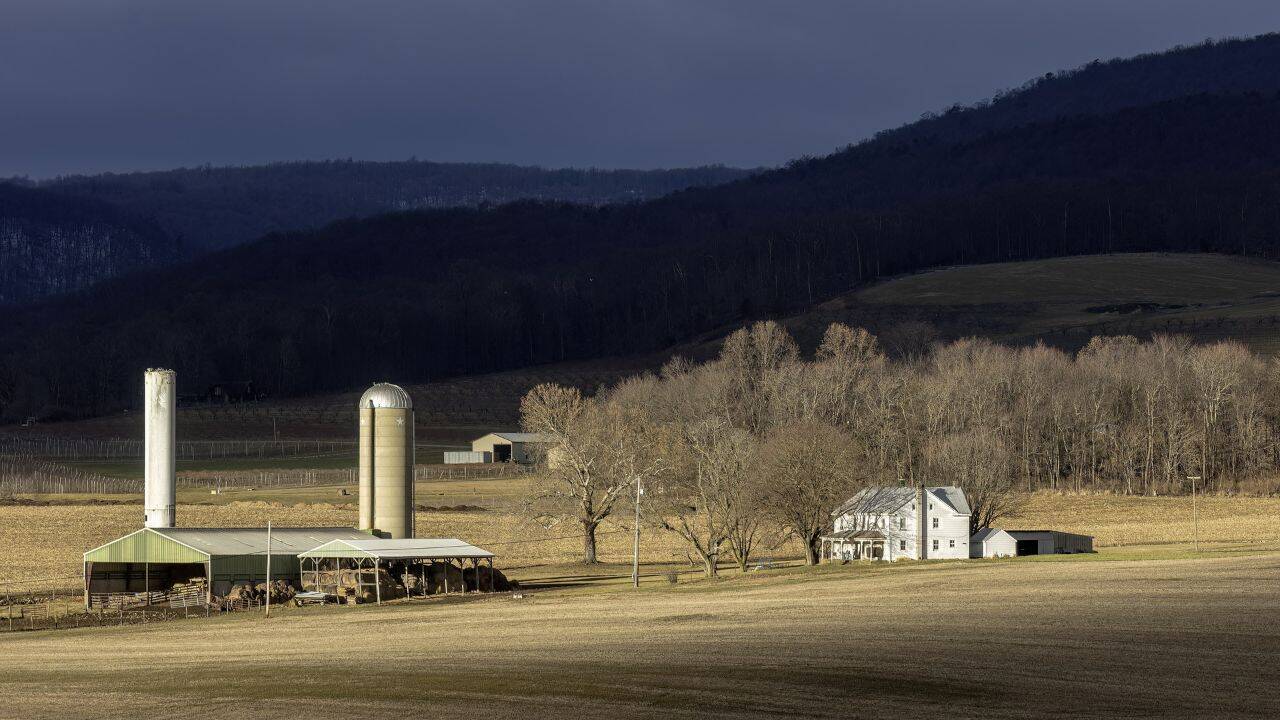
Image Credit: Wikipedia
Why Bill Gates is investing heavily in the American soil
Bill Gates has indicated that his investment group is focused on environmental and scientific goals. As reported by the Associated Press, he suggested that these acquisitions are connected to the development of more productive seeds and the advancement of biofuels. He believes that better seeds can help in preventing deforestation and help regions like Africa in dealing with climate difficulties. Furthermore, he noted that cheap biofuels could eventually solve emissions problems in the aviation and trucking industries.However, there is also a clear financial logic to these purchases. Research fromLouisiana State University (LSU) explains that farmland has become a highly attractive alternative investment. Historically, farmland has acted as a hedge against inflation, which means that its value sometimes rises even when the purchasing power of money falls. The thesis notes that agricultural assets are different from traditional financial assets like stocks.
Private investment as a wider trend in American agriculture
The rise of Bill Gates as a landlord is part of a larger shift in how American land is owned and managed. The National Farmers Union points out that nearly 40% of US farmland is now owned by non-farmers who rent the land out to agricultural producers. In some specific regions, this figure is as high as 80%. This ‘financialisation’ of the countryside is causing the farmland to move from local families to the portfolios of pension funds, private equity firms, and wealthy individuals.
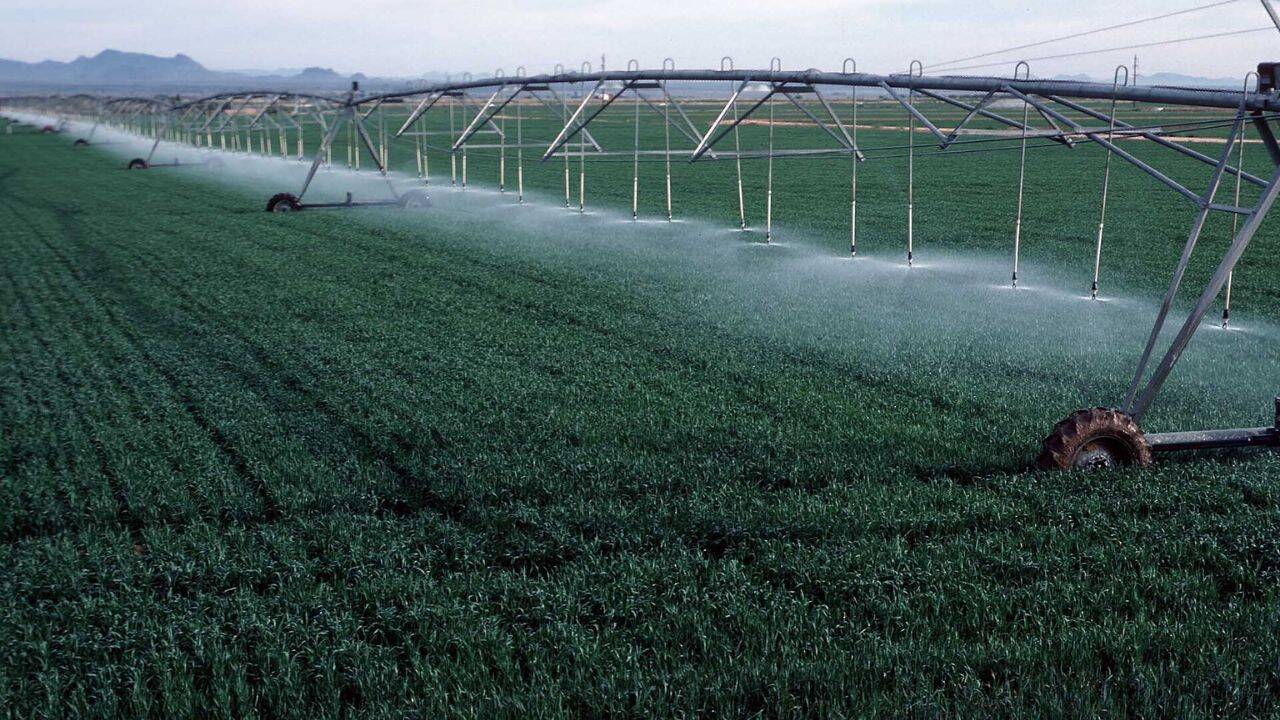
A centre pivot irrigation system on a field. Image Credit: Laura Wilson farm , USDA Natural Resources Conservation Service
Concerns for the future of farmland in the United States
The National Farmers Union warns that the entry of wealthy investors like Bill Gates has pushed up the price of farmland, which makes it almost impossible for small-scale farmers to buy their own property. Since 1970, the price of an average acre of American farmland has more than tripled when adjusted for inflation. This has led to a situation where just 13% of farming operations now control 75% of the country’s cropland.There are also environmental concerns. The National Farmers Union explains that when farmers only rent land on short-term leases, they become less motivated to invest in long-term conservation practices like protecting soil and water quality. Landowners without agricultural experience may not understand the importance of these natural resources or may be unwilling to spend that rental income on the efforts for conservation. Roughly 400 million acres of land is expected to shift from one owner to the next in the coming decade, which suggests that the battle over who owns the American soil, and how they treat it, is just beginning.