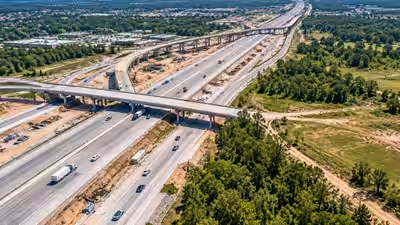
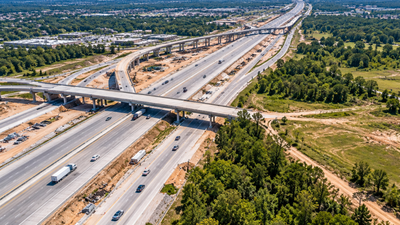
The Texas Supreme Court has ruled that a claim to buy back land acquired for a highway can proceed after a change in the project’s route left part of the property unused. The case concerns land in Tomball, Harris County. The state acquired it from Joyce Hutcherson, Rudolph Pusok and Jimmie Pusok in 2014. After the route changed, the state identified part of the land as surplus but refused to sell it back. The former owners later transferred their repurchase rights to JRJ Pusok Holdings LLC. The company then took the matter to court. On June 12, 2026, the state’s highest court allowed the claim to proceed. However, it did not order Texas to return the land.
How Texas acquired the property
The dispute began in October 2013. Texas notified the landowners that it intended to acquire their property for a highway project. The state initially offered $496,120 in compensation. After the offer was not accepted, condemnation proceedings began.In April 2014, both sides agreed on a value of $681,705. The property was then transferred to the state through a special warranty deed. The condemnation case was later dismissed following the settlement.Officials later changed the highway’s route. As a result, part of the acquired property was left unused. In February 2017, a representative of the Texas Department of Transportation’s Right of Way Division identified the land that the state considered surplus. However, the state refused to sell it back to the former owners.The landowners then transferred their repurchase rights to JRJ Pusok Holdings LLC. The company filed a lawsuit to enforce those rights under Texas law.
The case reached the Texas Supreme Court
JRJ Pusok Holdings sued the state and the director of the Texas Department of Transportation’s Right of Way Division. The state argued that sovereign immunity protected it from the lawsuit. It also challenged the court’s jurisdiction.A trial court initially dismissed the case. The Texas Court of Appeals for the Fourteenth District later reversed that decision on the repurchase claim. It ruled that the claim could proceed despite the state’s immunity argument. Texas then appealed to the state Supreme Court.
What the Supreme Court ruled
On June 12, 2026, the Texas Supreme Court upheld the appellate court’s decision. It ruled that sovereign immunity could not block the statutory repurchase claim under the circumstances covered by the law.The court also clarified that property acquired through condemnation proceedings can qualify as property acquired through eminent domain. This applies even when both sides agree on compensation before a final condemnation judgment.The ruling also addressed the right to repurchase only the portion of the property that is no longer needed for public use.The case was sent back to the lower court for further proceedings. The Supreme Court did not rule that JRJ Pusok Holdings was entitled to the land. Nor did it order the state to sell the property back.
What Texas law says about buying back condemned land
Chapter 21 of the Texas Property Code provides a repurchase right in certain circumstances. This can apply when property acquired through eminent domain is no longer needed for its intended public use.However, the right is subject to specific legal conditions. These include rules on the original public use and whether the property has become unnecessary for that purpose.The Supreme Court’s decision focused on whether the repurchase claim could proceed under the law. It did not establish an automatic right for all former landowners to reclaim property whenever a government project changes.