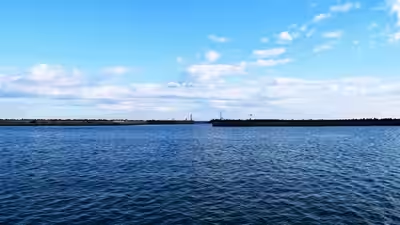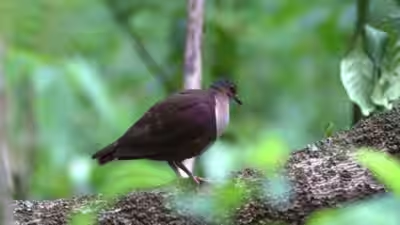
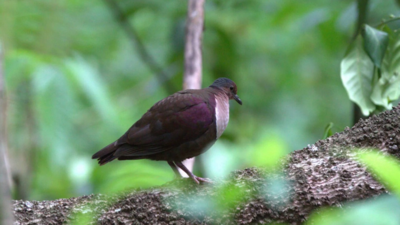
A remote island in Samoa is showing signs of ecological recovery after conservation teams removed invasive rats and feral pigs that had threatened its native wildlife and vegetation. According to a report published by Island Conservation on October 20, 2026, Nu’utele Island has begun recovering its native forests, while rare birds are breeding and sea turtles have returned to nest after decades of absence. Updates from the Secretariat of the Pacific Regional Environment Programme (SPREP) and Good News Network also highlight the conservation effort and its early benefits. Located off the eastern coast of Upolu, Samoa’s most populous island, Nu’utele lies within a marine protected area and is recognised as a Key Biodiversity Area. Its largely intact tropical forest provides habitat for native plants, birds and other wildlife, including species that have become increasingly vulnerable elsewhere in the region.However, invasive rats and feral pigs had disrupted the island’s ecological balance. Rats threaten bird populations by preying on eggs and chicks, while pigs disturb the soil, damage vegetation and prevent young plants from establishing themselves. Their combined impact had weakened the island’s ability to sustain wildlife and regenerate naturally.The restoration initiative, led by Samoa’s Ministry of Natural Resources and Environment in partnership with Island Conservation, SPREP’s Pacific Regional Invasive Species Management Support Service (PRISMSS) and local communities, sought to reverse that damage by removing the invasive animals. Between March 2025 and May 2026, teams conducted 12 expeditions and spent more than 130 days working across the island’s difficult terrain. Local landowners and community members from Aleipata also participated in the effort, which was supported through the regional Predator Free Pacific programme.The first signs of recovery have emerged across the forest floor and coastal habitats. Native seedlings are growing in areas where regeneration had previously been suppressed, offering evidence that the removal of invasive animals is allowing natural processes to resume. The improvements are also benefiting local food production. A family on the island has been able to grow bananas, pineapples, papayas and taro, while giant taro plants are thriving in areas where crops had previously struggled. The results suggest that restoring native ecosystems can support both biodiversity and the livelihoods of communities that depend on the land.Wildlife surveys have produced particularly encouraging findings. Researchers recorded several active nests containing eggs belonging to the Shy Ground Dove, a species whose population has declined across the Southwest Pacific. Nu’utele holds Samoa’s largest remaining population of the bird. Surveys also identified a nest belonging to the endemic Samoan Starling, alongside breeding activity among other native birds, including the Samoan Flycatcher and Samoan Whistler. The findings suggest that removing invasive predators has improved conditions for birds to reproduce successfully.Sea turtles have also returned to nest after decades of absence, marking another important development for the island’s coastal wildlife. Conservationists recorded a land crab species not previously documented on Nu’utele, while researchers expect crab populations to benefit as pressure from invasive predators declines. Land crabs play an important role in island ecosystems by moving nutrients between forests, reefs and the surrounding ocean. Their recovery could therefore have benefits beyond the immediate shoreline, helping maintain ecological connections within the marine protected area.The restoration could also create opportunities to protect threatened species in the future. With invasive rats and pigs removed, Nu’utele may provide a safer refuge for the Mao, a threatened native Samoan forest bird affected by habitat loss, invasive species and extreme weather. Plans to establish a new population of the species form part of Island Conservation’s wider Pacific restoration programme for 2026 to 2032.Beyond wildlife recovery, healthier forests can strengthen the island’s ability to withstand climate impacts. Native vegetation helps anchor soil, limit erosion and retain water, while supporting the biodiversity that keeps ecosystems functioning. These natural benefits are increasingly important across the Pacific, where communities face stronger storms and changing rainfall patterns.The early results from Nu’utele demonstrate how coordinated conservation efforts can help restore damaged island ecosystems. Continued monitoring will be needed to determine how wildlife populations, forest regeneration and coastal habitats develop over time, but the return of nesting turtles, breeding birds and native vegetation offers encouraging evidence that the island is moving towards recovery.