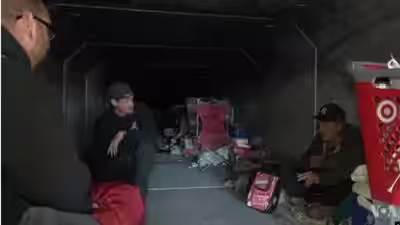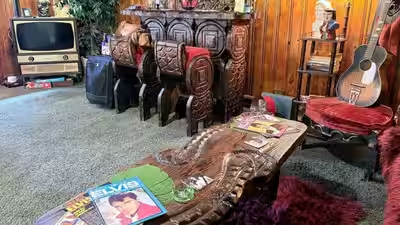
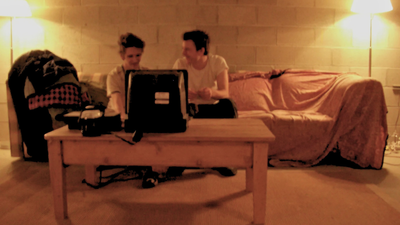
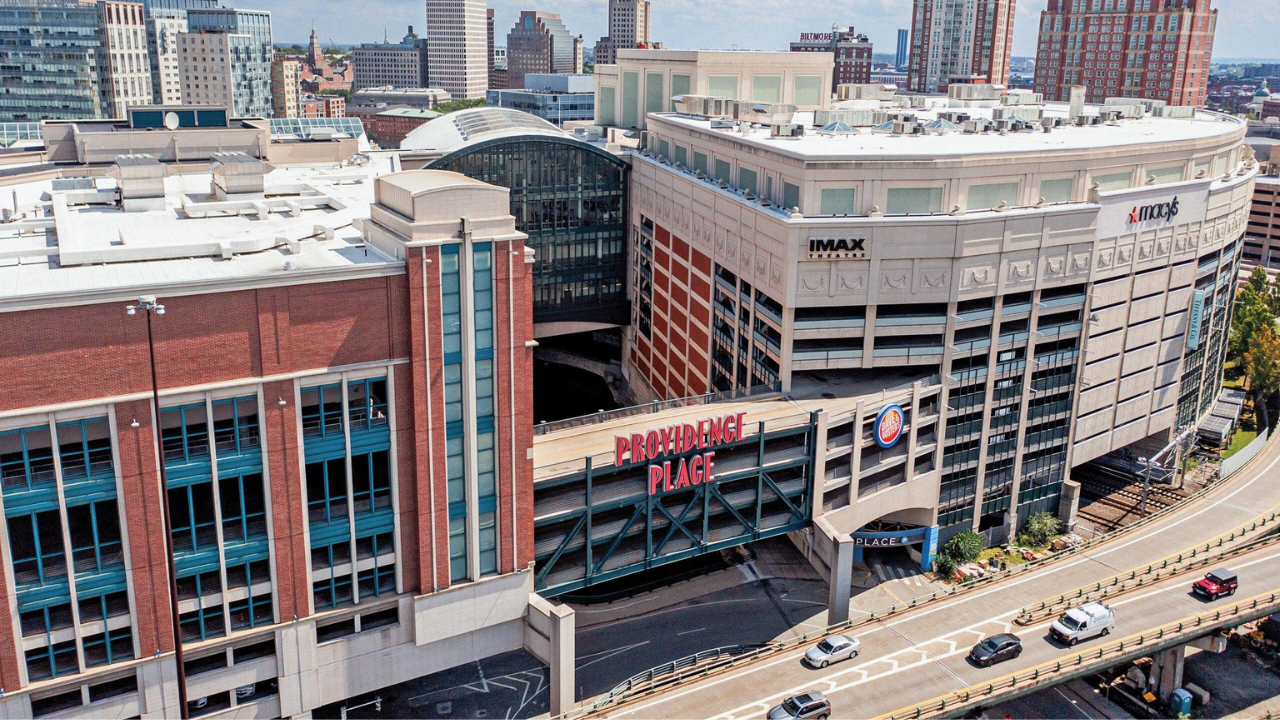
Back in 2003, eight artists embarked on an unusual creative experiment inside Providence Place, a shopping mall in Providence, Rhode Island. Led by artist Michael Townsend, the group secretly constructed a 750-square-foot apartment in an unused section of the shopping centre. They furnished the hidden space with everyday items, including a sofa, television and gaming console, and used it as a place to spend time together. The artists continued their secret project for approximately four years, staying there intermittently before mall security eventually discovered the apartment in 2007. What began as an experiment in reclaiming commercial space later became the subject of the documentary Secret Mall Apartment, directed by Jeremy Workman, and a community arts initiative involving the same shopping centre.
How the secret mall apartment was created
The project was organised by Michael Townsend and involved seven other artists: Adriana Valdez-Young, Colin Bliss, Andrew Oesch, Greta Scheing, James Mercer, Emily Ustach and Jay Zehngebot. The group had connections to Providence’s creative community and had experienced the loss of artists’ spaces during redevelopment in the city. Their project inside Providence Place was influenced by concerns about commercialisation, gentrification and the disappearance of independent artistic environments. Rather than simply seeking free accommodation, the artists viewed the apartment as an artistic and social experiment. They wanted to explore how people could use a commercial property in a way that differed from its intended purpose.
Inside the 750-square-foot apartment
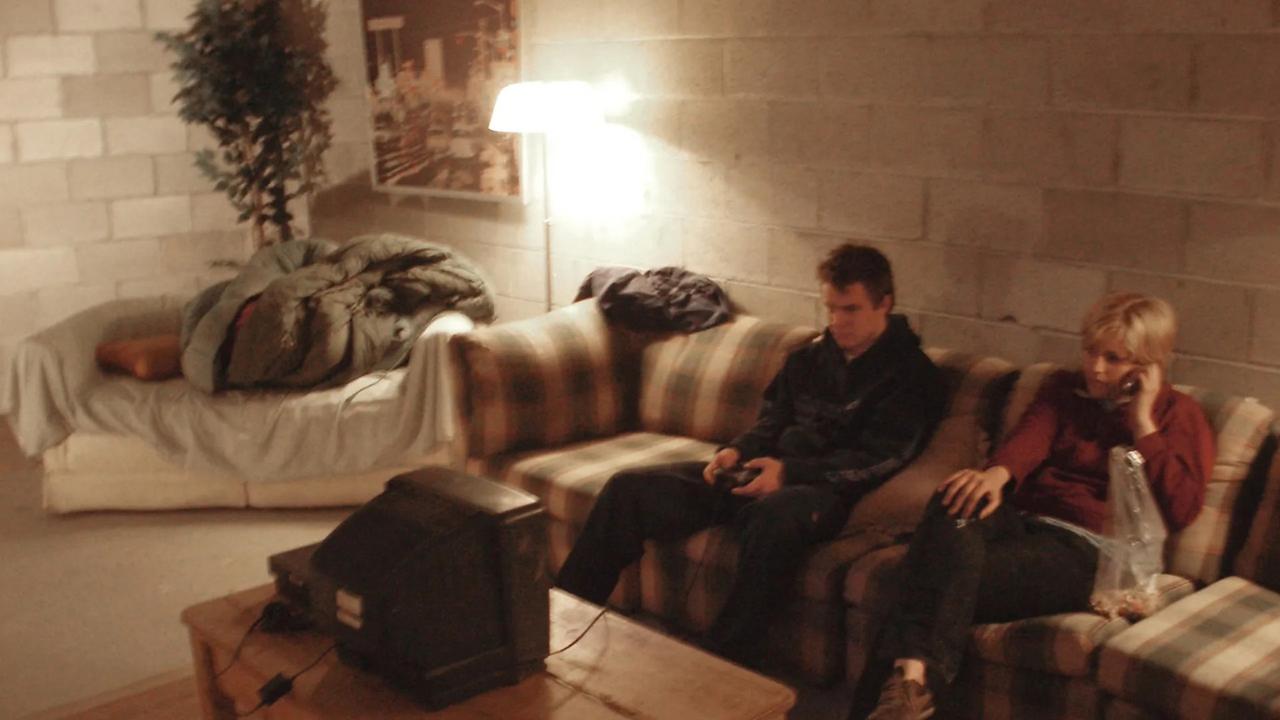
The hidden apartment was constructed in an unused area within the mall’s structure, near the cinema and parking facilities. The artists concealed the space behind a wall made from cinderblocks and installed a lockable door. Over time, they transformed the empty area into a furnished living space. The apartment reportedly contained a sofa, television, PlayStation, books, photo albums and other household objects. The group also brought in appliances, including a waffle-maker. The space did not have running water, meaning the residents relied on public facilities in the mall. They also used the shopping centre’s electricity, making the apartment dependent on the infrastructure of the building they had entered without permission.
The artists lived there intermittently
Although the apartment existed from 2003 to 2007, the artists did not necessarily live inside it continuously. Members visited and stayed in the space at different times, turning it into a meeting point where they could socialise, rest and work on creative ideas. The group initially expected the project to last only about a week, but the experiment continued for several years. The apartment gradually became more elaborate as the artists added furniture and personal belongings. Their activities demonstrated how an ordinary commercial environment could be transformed into a private space, even though the arrangement was unauthorised and hidden from the mall’s management.
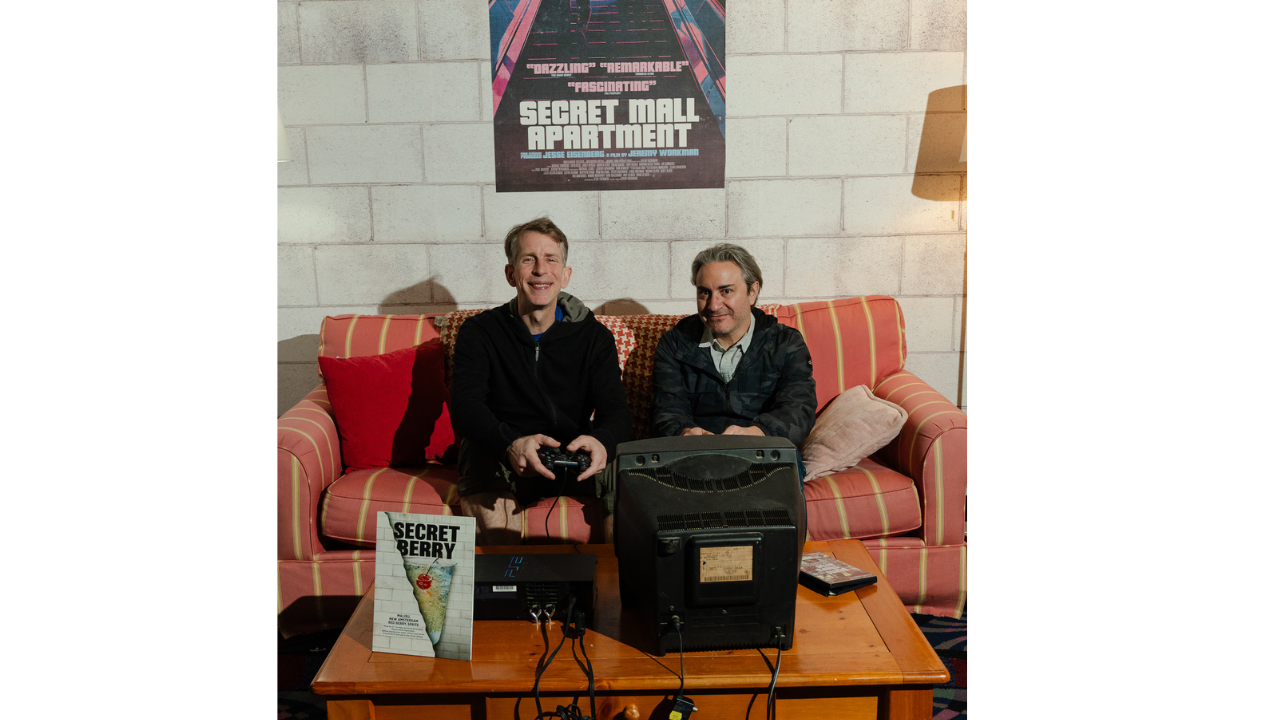
Director Jeremy Workman (right) stands with artist Michael Townsend on April 27 beside a recreation of the secret apartment that Townsend and his fellow artists built inside Providence Place mall. (Sophie Park/The Washington Post)
How the secret was eventually discovered
The apartment remained undetected for approximately four years. In 2007, Townsend invited an artist from Hong Kong to visit the space. The visitor’s presence attracted the attention of mall security, which subsequently discovered the hidden apartment. Townsend later acknowledged that bringing an outsider into the space violated one of the group’s rules. The discovery brought the experiment to an end and led to legal consequences for Townsend. While the project involved eight artists, Townsend became the principal person associated with the incident and accepted responsibility for his involvement.
Michael Townsend faced a trespassing charge
Following the discovery, Townsend was initially charged with breaking and entering. The charge was later reduced to misdemeanour trespassing. He pleaded no contest and received six months of probation in October 2007. Providence Place also banned him from entering the shopping centre for life. The incident raised questions about property rights, artistic freedom and the limits of creative intervention in privately owned commercial spaces. For the artists, the apartment represented an attempt to challenge the conventional use of a shopping mall. For the property’s management, however, the hidden construction and unauthorised occupation created security and legal concerns.
The project became a documentary
The story later inspired Secret Mall Apartment, a documentary directed by Jeremy Workman. The film combines archival footage recorded by the artists with interviews conducted years after the apartment was discovered. The footage provides a record of the group’s construction work, daily activities and unusual living arrangement. The documentary also examines the broader social and economic issues surrounding the project, including gentrification and the displacement of artists from creative spaces. Actor Jesse Eisenberg was involved as an executive producer. The film premiered at the SXSW Film Festival in 2024 and subsequently received a theatrical release in 2025.
The mall reconnected with the artists
Nearly two decades after the apartment was discovered, Providence Place revisited the story through a community arts initiative. The shopping centre lifted Townsend’s lifetime ban and hosted screenings of Secret Mall Apartment. It also recreated the hidden apartment in a cinema lobby, using furniture and objects inspired by the original space. The recreation was not located in the apartment’s original position. The initiative included discussions, art installations, workshops and collaborations with local educational institutions. It represented a change in the relationship between the mall and the artists, turning a former controversy into an opportunity for public engagement and cultural programming.
Providence Place turned the controversy into an arts campaign
According to the International Council of Shopping Centers, the initiative was designed to reconnect Providence Place with the local creative community. The programme included tape-art installations, workshops and an augmented-reality project involving students from the Rhode Island School of Design. A wooden model of the mall was also created by artist Colin Bliss, one of the original participants. ICSC reported strong audience engagement and publicity results from the campaign, including increased visitor numbers during its first four Saturdays. These figures were presented as campaign results and should be understood as claims made by the organisers rather than independently audited measurements.
Where are the artists now?
The artists continued along different professional paths after the apartment project. Townsend remained involved in artistic work, while Valdez-Young pursued work in design research and education. Zehngebot continued his career as an artist. Other members of the group also remained connected to the arts and education sectors. Their reunion for the documentary offered an opportunity to revisit the motivations behind the apartment and reflect on how their lives had changed. The project, which began as a secret occupation of commercial space, eventually became a documented example of experimental art, urban change and the complicated relationship between artists and property owners.
A secret experiment with a lasting legacy
The Secret Mall Apartment project stands out because it combined an unconventional living arrangement with questions about the future of creative spaces. The artists’ actions were unauthorised, but the project also reflected concerns about redevelopment and the loss of places where artists could work and live. Its later transformation into a documentary and public arts programme gave the story a second chapter. What began as a concealed apartment inside a shopping mall ultimately became a subject of public discussion, bringing together the artists, the property management and the wider Providence community.