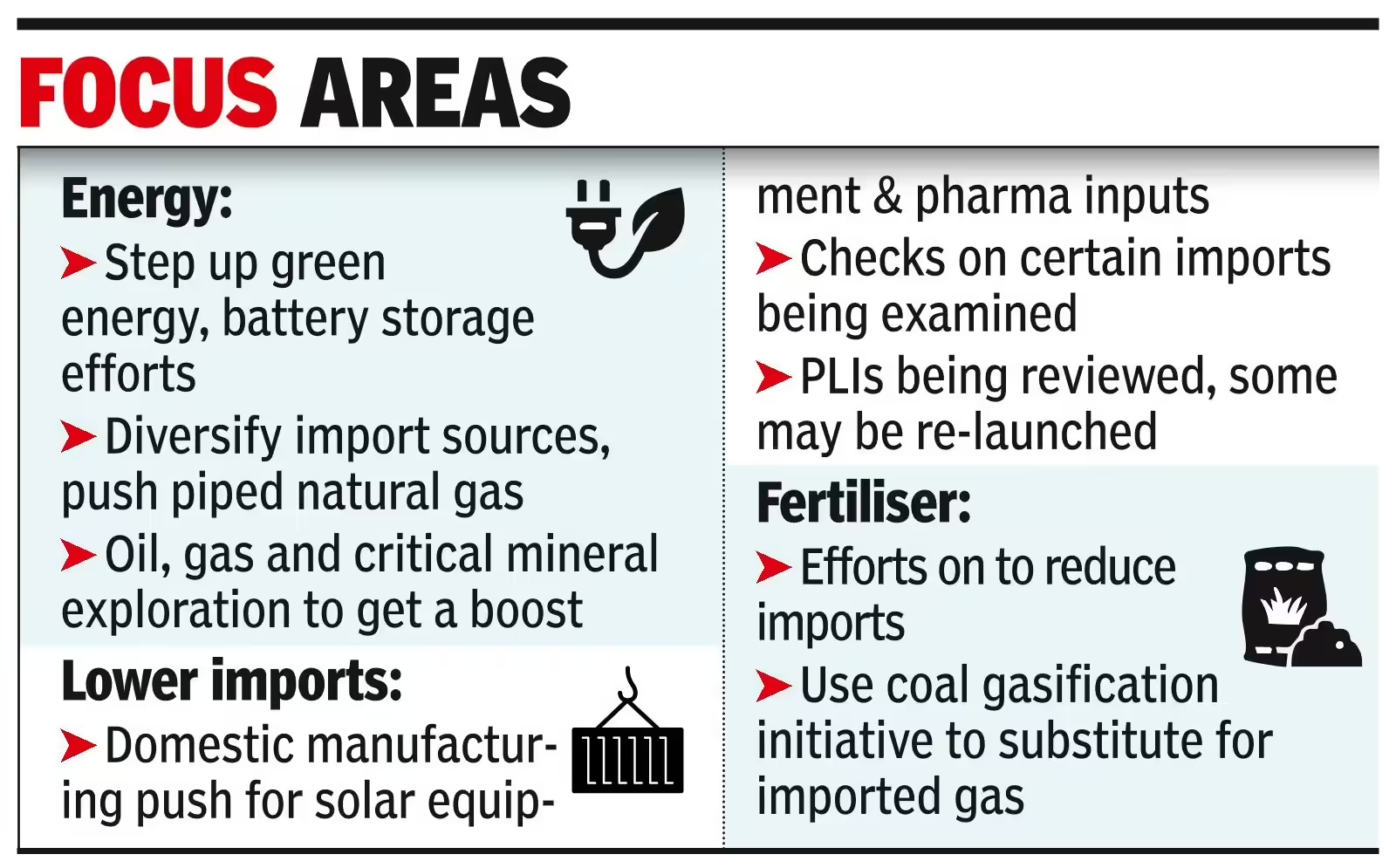
In parallel, steps that address structural vulnerabilities in the medium- to long-term have been initiated, a high-ranking official said.Some of the measures taken since the war broke out on Feb 28 are likely to continue, including diversified sourcing. For instance, there will be lower reliance on imported LPG and greater penetration of piped natural gas is being prioritised.While a coal gasification initiative has been approved by the Union cabinet, govt intends to channelise some of this gas to fertiliser plants to reduce imports. A senior official said six-seven projects are going to be pushed aggressively in addition to ones under implementation.The petroleum ministry is also expected to announce measures as part of a plan to step up focus on exploration of oil and gas within the country. A similar push is also expected in the case of rare earth and critical mineral, where an MoU involving Assam and Nagaland is among the initial steps.And, ethanol blending is expected to be stepped up, albeit in a calibrated fashion without aggressively pushing for it, officials said. EVs, especially for public transport and long-distance trucking, are also expected to be given a boost.On export front also govt is keen to derisk and reduce dependence on a few geographies after the tariff turbulence faced by Indian business in the wake of US actions last year. Principal secretary Shaktikanta Das, commerce secretary Rajesh Agrawal and foreign secretary Vikram Misri have held detailed consultations with missions across the world on the issue as India also seeks to be part of multiple global value chains.The commerce and industry ministry is working on the strategy to reduce dependence on import of over 100 items, officials said, adding, focus on feasibility of domestic production is being examined. In some cases, use of tools, such as minimum import price to check cheap imports from China, is being examined.There is a review of the PLI scheme. An analysis is being done by NITI Aayog and IIM Ahmedabad and learn from failure of some of them, such as advanced chemistry cell and battery manufacturing and build on success of electronics, pharma and white goods.