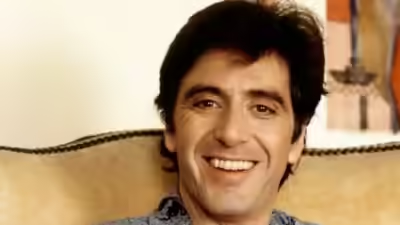
Al Pacino turned 86 in April 2026, and the world keeps finding new reasons to pay attention. He has spent more than five decades giving performances that define what screen acting can be, and in 2026 alone he has already walked the red carpet at Tribeca for the world premiere of ‘Killing Castro,’ in which he plays CIA operative Robert Maheu, and received the Sam Wanamaker Award from Shakespeare’s Globe in recognition of his lifelong contribution to theatre and his enduring relationship with Shakespeare, saying in his acceptance statement, “Throughout my life, the theatre has given me a sense of purpose and belonging, and Shakespeare has always been a guiding force in that journey,” according to Playbill. He is a man who has been judged, celebrated, questioned, and lionised across six decades of public life, and who has never stopped working. Which makes a line he delivered thirty years ago, playing a politician defending the complexity of a human life, feel more personal than anyone might have anticipated at the time.The quote of the day reads, “Be careful how you judge people, most of all friends. You don’t sum up a man’s life in one moment. There are no cold answers, are there? There’s no simple yes or no. A man’s life is not the bricks, it’s the mortar, pappy, it’s the stuff that lies between, the stuff you can’t see.”
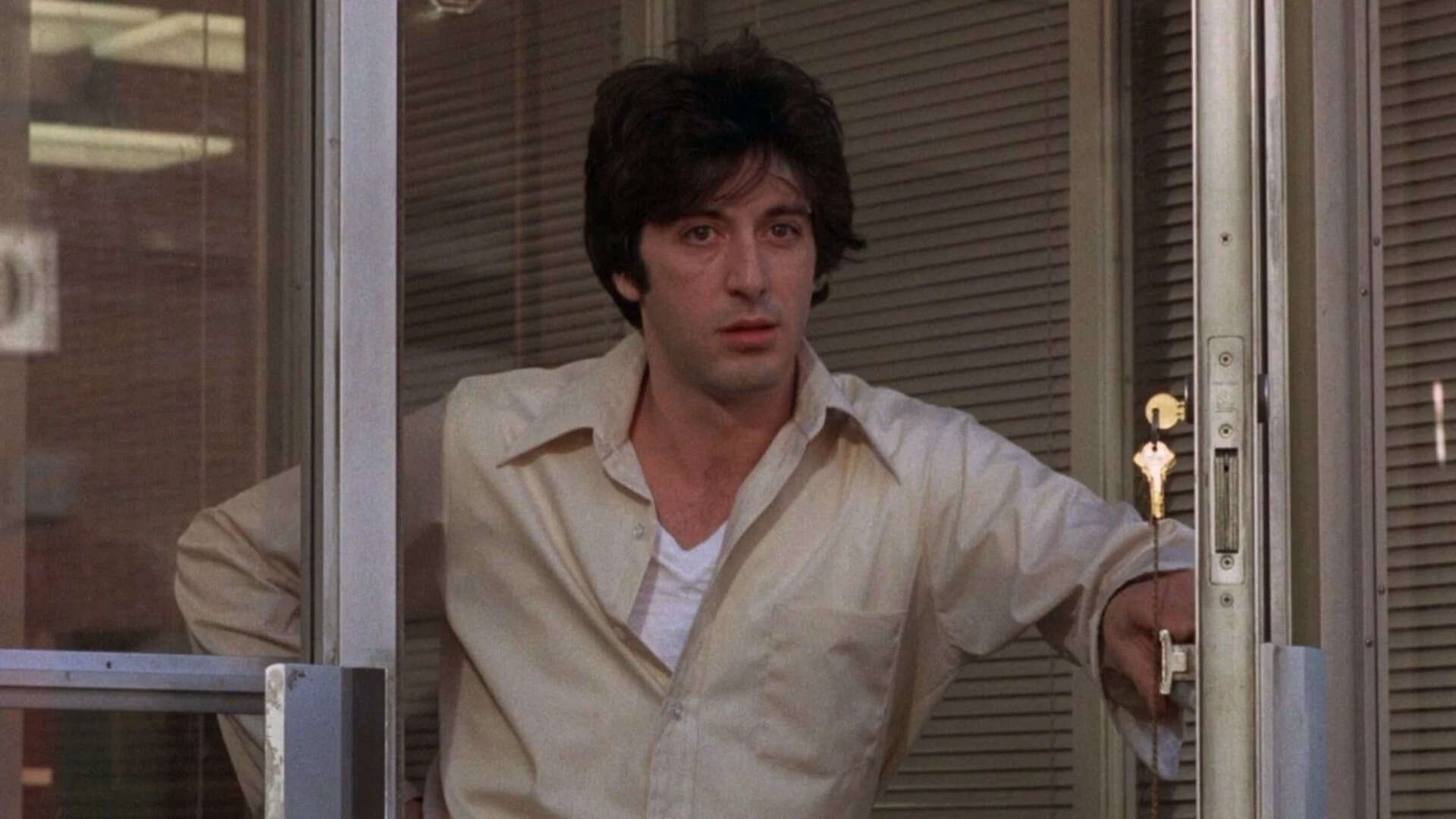
Through Mayor John Pappas, Pacino delivers a powerful reminder that true character is found in the unseen moments between life’s biggest events.Image credit (Instagram)
What is the meaning of Al Pacino ‘s quote?
Al Pacino delivers this line as Mayor John Pappas in ‘City Hall,’ the 1996 political drama directed by Harold Becker. The speech comes at a moment of crisis, when someone close to the mayor is being judged harshly for a single act, and Pappas pushes back with a clarity and a quiet force that makes the scene one of the most memorable in the film.The first instruction, “be careful how you judge people, most of all friends,” is deceptively simple. It is not saying do not judge at all. It is saying judge carefully. Slowly. With awareness of everything you do not know. And the reason it singles out friends is important. It is easy to suspend judgment for strangers, because you have no expectations of them. The expectation of a friend is the thing that makes their failure feel like a betrayal, when in reality it is simply a human moment, no more definitive of who they are than any other moment in the larger arc of a life you have actually watched unfold.
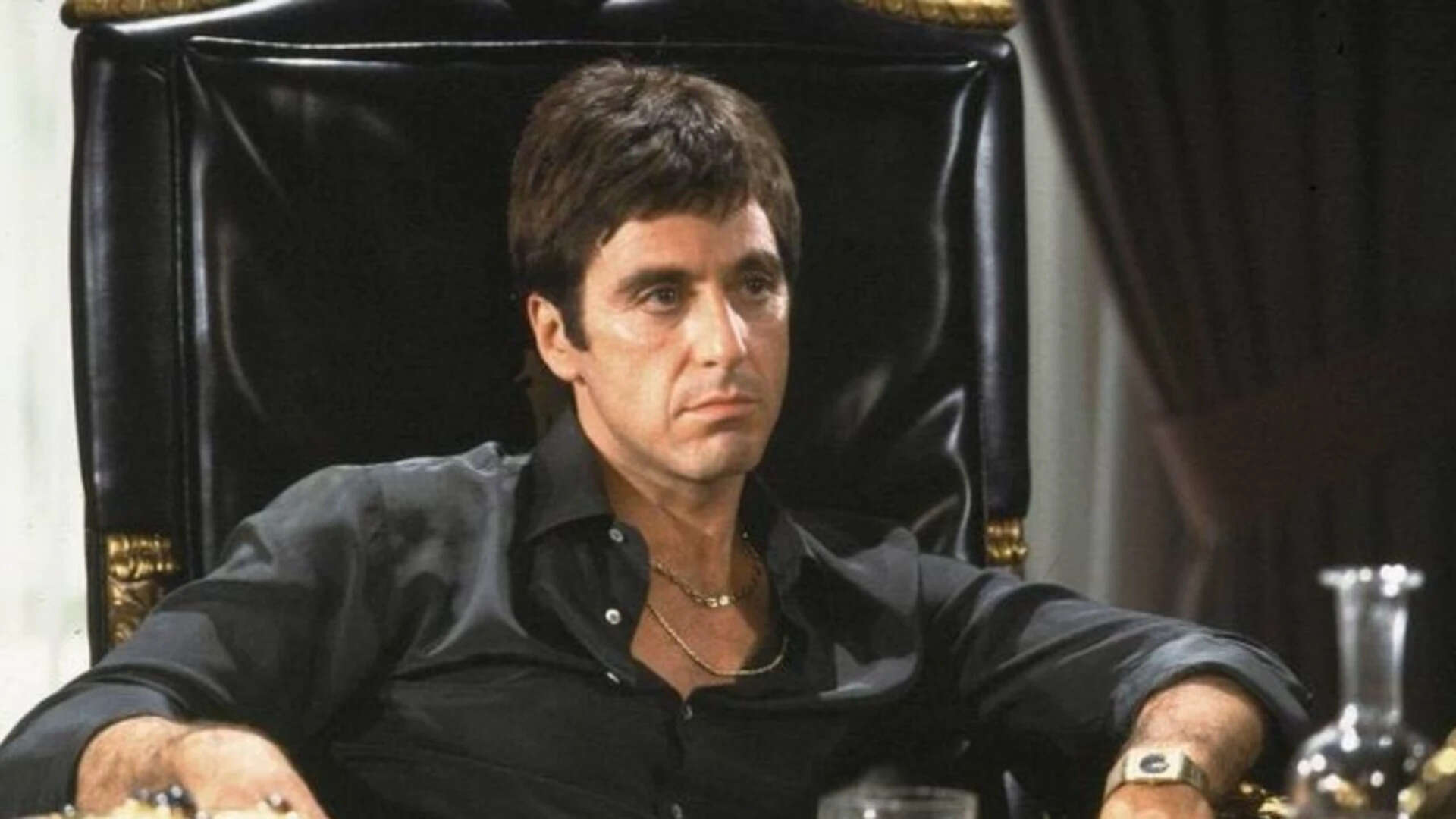
The Oscar winner believes the most important parts of someone’s story are often the ones the world never gets to seeImage credit (Instagram)
The second part is where the speech becomes something genuinely profound. There are no cold answers. No simple yes or no. That is an unusual thing for a politician, of all people, to say, and it is part of what makes the character of Pappas so compelling. He is refusing the language of his own profession, the clean binary of judgment and verdict, and replacing it with something more honest and more difficult. The complexity of a human being resists reduction. It always has.The mortar line is the heart of the speech. A man’s life is not the bricks. It is the mortar. The stuff between. The stuff you cannot see. The bricks are the visible things, the decisions, the actions, the moments that get recorded and remembered and judged. The mortar is everything else. The private negotiations. The fears overcome, and the fears surrendered to. The love given in rooms where nobody was watching. The failures absorbed without ceremony. The quiet accumulations of ordinary days that do not make it into any account of who a person was, and yet without which the entire structure would collapse. That invisible material is the life. And it is the part that judgment, by its nature, almost always misses.
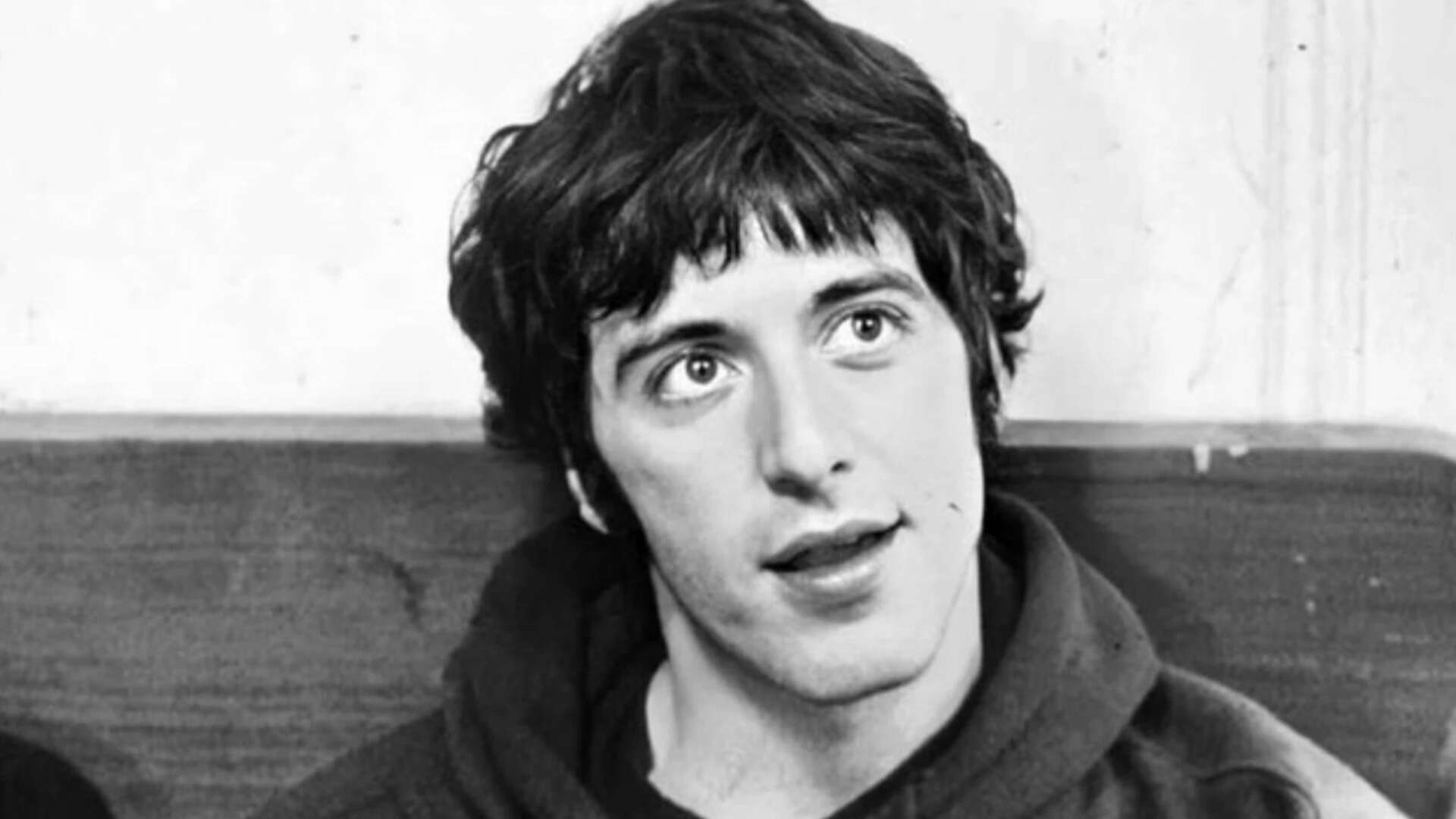
Decades into an extraordinary career, Pacino continues to inspire with reflections on empathy, friendship and understanding.Image credit (Instagram)
Al Pacino’s early life
Alfredo James Pacino was born on April 25, 1940, in the East Harlem neighbourhood of Manhattan, New York City, to Italian-American parents, according to IMDb. His parents divorced when he was two, and he was raised by his mother and grandparents in the South Bronx. He grew up in financially difficult but culturally rich circumstances. He has described himself as a child who was drawn to performance from the beginning, spending hours imitating characters and voices, and finding in the act of becoming someone else a freedom he could not access in his own life.He enrolled at the High School of Performing Arts in New York before dropping out and spending years working odd jobs, including usher, postal clerk, and building superintendent, while pursuing acting through whatever means were available to him. He trained at the HB Studio and later at the Actors Studio, where he studied under Lee Strasberg, and his dedication to the Method approach that training instilled became the foundation of everything he went on to do. His stage work in the late 1960s and early 1970s earned him significant attention, and it was his performances in ‘The Indian Wants the Bronx’ and ‘Does a Tiger Wear a Necktie?’ off-Broadway and on Broadway, respectively, that brought him to the attention of the film industry.
Al Pacino’s career: From Michael Corleone to King Lear
His feature film debut in ‘Me, Natalie’ in 1969 was followed by the role that changed everything, Michael Corleone in ‘The Godfather’ in 1972, a performance of such controlled intensity and moral complexity that it remains, more than fifty years later, one of the most studied and celebrated in the history of American cinema. What followed was five decades of work that resists easy summary. ‘Serpico,’ ‘Dog Day Afternoon,’ ‘And Justice for All,’ ‘Scarface,’ ‘Sea of Love,’ ‘Dick Tracy,’ ‘Glengarry Glen Ross,’ ‘Scent of a Woman,’ for which he finally won the Academy Award for Best Actor in 1993, ‘Heat,’ ‘The Insider,’ ‘Insomnia,’ ‘Angels in America,’ for which he won the Emmy Award, ‘The Merchant of Venice,’ and ‘The Irishman.‘He was nominated for the Academy Award nine times, winning once, and won the Tony, the Emmy, and the BAFTA, making him one of the very few performers to complete the Triple Crown of Acting. He also has a son, Roman, born in June 2023, making him a father at 83, and earlier this year attended the premiere of his eldest daughter Julie Pacino’s film ‘I Live Here Now’ alongside his twins Anton and Olivia, according to E! News.
Al Pacino’s upcoming projects
Pacino’s slate is as thick as a lot of actors his third in age, as ‘Killing Castro’ is getting a wide release date after the Tribeca premiere, ‘Billy Knight’ hits theaters on August 21, 2026, and ‘Easy’s Waltz,’ helmed by ‘True Detective’ creator Nic Pizzolatto, is in post-production. There is also ‘Lear Rex’, in which he will be King Lear.