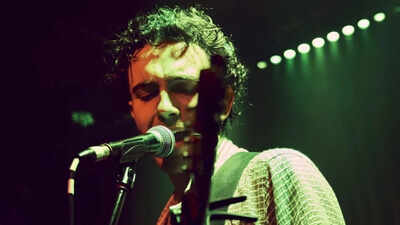
Musician Aidan Sammut has the industry talking after he complained about a live music event designed to promote new artists where AI-generated material was performed. The event has sparked a renewed interest in the influence of AI on the music industry, as well as worries regarding the availability of opportunities for human musicians.According to 702 ABC Sydney, Aidan Sammut was at rehearsal with his bandmates preparing for their gig at a venue in Sydney’s inner west when they learned that one of the artists on the line-up, Afro Charles, used AI-generated content in their music.“We were like, ‘How is that going to work? What is the performance actually going to be like?'” Sammut said. “Shock and then the shock kind of turned into disgust, I guess. Just sort of being offended at the fact that this could actually happen.”The event was held on Wednesday and was designed specifically for smaller bands trying to establish themselves in the music scene. Sammut expressed his displeasure about being on the same line-up as an AI act. “My biggest issue is that the spot that was given to the AI artist could have been given to a human band. That event specifically was for smaller bands trying to make their start in the scene,” he told the outlet.
Creator defends AI music approach
Damian Amamoo, the creator behind Afro Charles, defended his decision to use artificial intelligence in his music and said his usage is clearly disclosed on the musical act’s social media. “There is a post there saying we’re a band of three, made up of two avatars or robots and a human being. And the human being does the live performance vocals,” he explained.Amamoo started his afro pop band late last year using an AI music generator platform. Afro Charles consists of three members: Amamoo and two “virtual avatars” whose vocals are AI-generated. He characterised AI as a tool similar to traditional instruments used in music production.
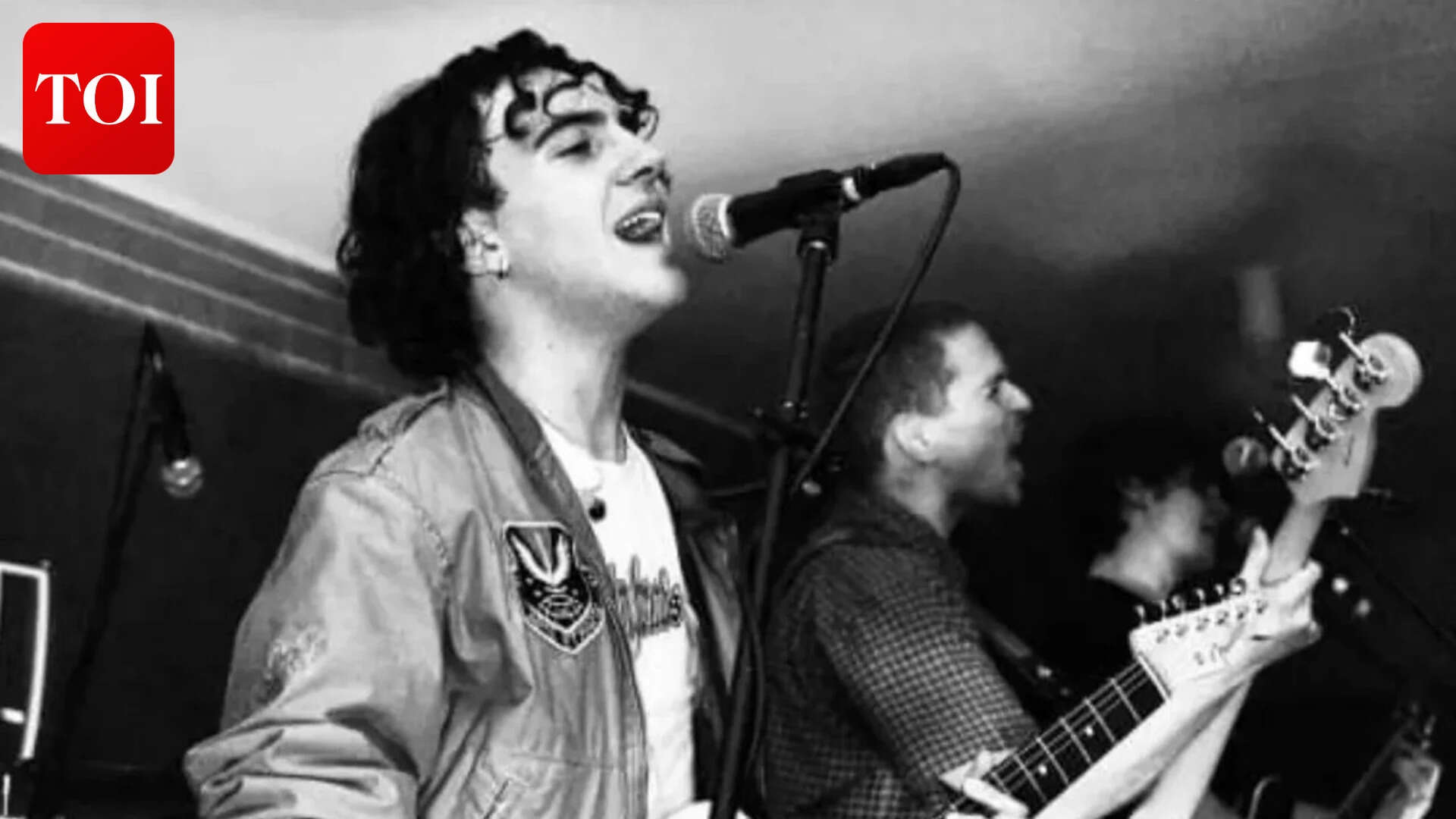
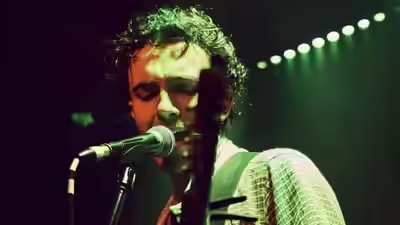
The Sydney musician said emerging artists are already fighting for limited opportunities and fears AI acts could make that struggle even harder.Image credit (Instagram)
“It’s very fast … like I could write a song and give it to you, and then it could be sung in about five or six or seven different ways. This latest new wave of artificial intelligence technology is just the latest change to making music — and it won’t be the last,” he said.The platform allows users to condition their own voices and utilise built-in singers for their compositions. Amamoo drew comparisons to other technological innovations in music history. “Nothing is 100 per cent new. Remember how hip-hop sampled sounds from the generation before to create new music,” he noted, while acknowledging that questions about fair use and intellectual property remain to be resolved.
Event organiser accepts responsibility
The music services company that booked the event released a statement acknowledging their oversight. “We take full responsibility for not checking the artist’s social media and did not encourage the use of AI,” the statement read. “The organisation and the venue have never knowingly and will never book people who use AI to generate music,” they added.
Sammut’s criticism of AI in music
Sammut fundamentally disagreed with Amamoo’s perspective on using AI music generators. “It’s fundamentally based on this theft of human art. I think it has a long way to go and a lot of things to address before it should be an accepted part of music-making,” he said.The emerging musician emphasised that even digital music creation using other tools remains fundamentally driven by human creativity. “With drum machines, DJs and with electronic dance music, that sort of thing, even though it is digital, it is still human creativity that is driving the work. To program a good drum machine pattern or whatever, you still need to understand fundamentally what it takes to create a good rhythm,” he explained.
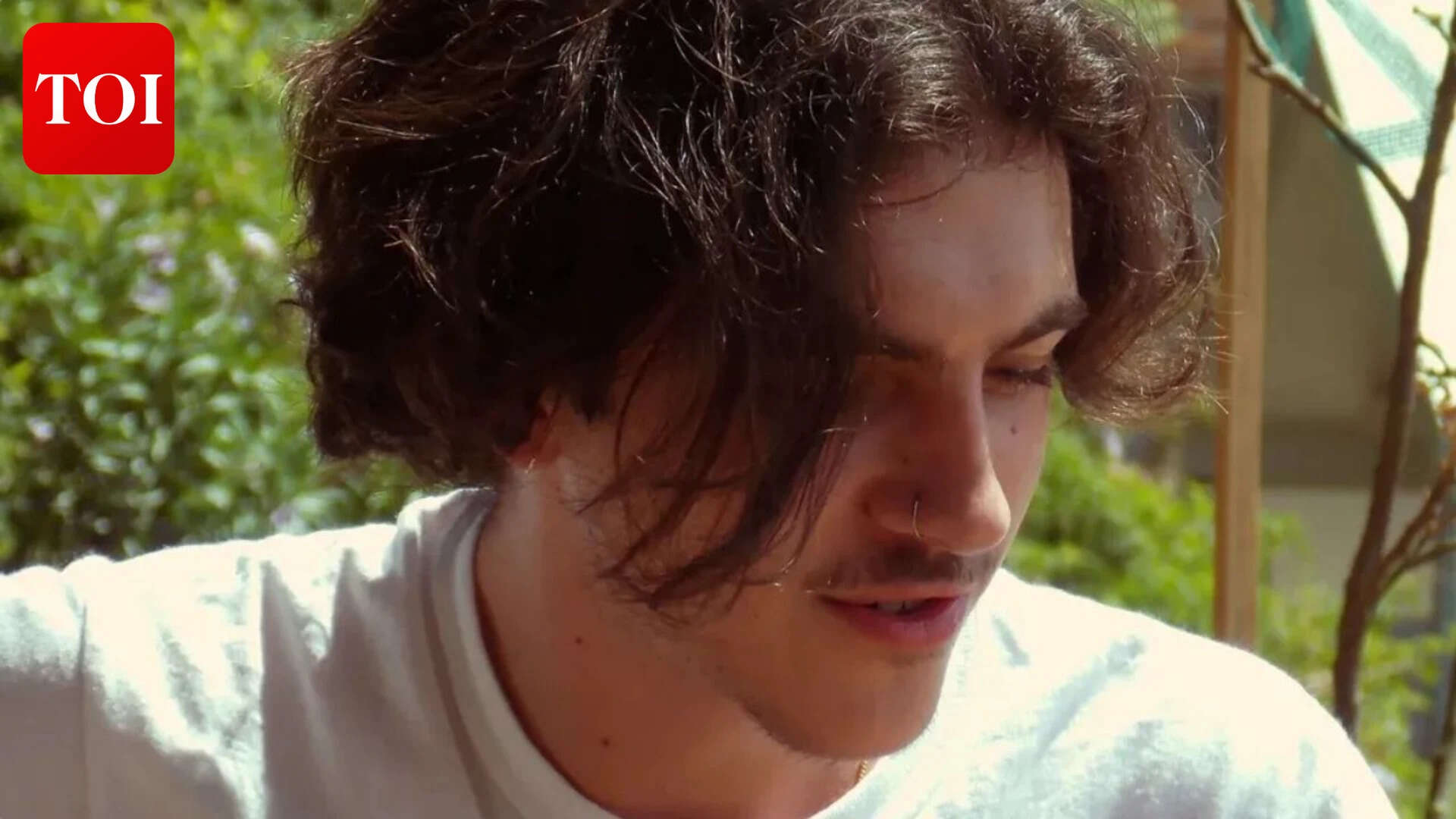
Sammut argued that creativity and live performance should remain driven by people, not algorithms or artificial intelligence.Image credit (Instagram)
Concerns about emerging artists ‘ opportunities
Live performances represent one of the few income sources available to emerging musicians like Sammut. He expressed anxiety about AI performers becoming more commonplace and potentially reducing paid opportunities for human artists. “As a person who’s trying to make a career out of performing live and releasing music, it really is quite disheartening to see this become more pushed on the music industry as sort of a cheap alternative to actually paying people,” he said.Sammut expressed hope that venues would be more vigilant in the future when booking artists. “I guess what concerns me now is that it’s a possibility that these sorts of things can slip through the cracks,” he noted.
Venue’s response and policy changes
The venue’s licensee explained the confusion surrounding the booking. When approached by Amamoo, they were told Afro Charles was a producer with live vocals. “To me that can mean a lot of things, someone on stage with a synth,” said Rory Summers.The venue emphasised its desire to remain neutral regarding musical tastes while providing space for diverse artists. “As a venue, we don’t want to be the arbiter of taste. We just want to be a space for people to come and connect. Not all the music that’s played here is my cup of tea,” Summers said.In response to the controversy, the venue donated the bar profits from the night to a charity supporting those in the music industry. Additionally, the venue has now changed its booking process to explicitly ask artists whether AI is used in their music, ensuring greater transparency in future events.