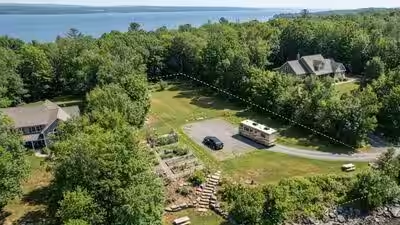
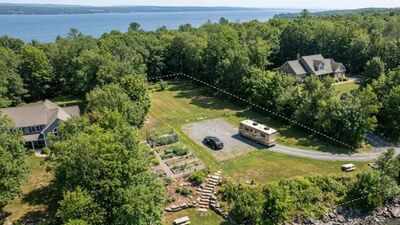
A Vermont homeowner bought vacant lots between her lakeside property and her neighbours’ land in 1988, intending to create a privacy buffer. However, the neighbours and their predecessor had already been using parts of the disputed area for years. Their activities included extending a driveway and turnaround, parking vehicles, maintaining a garden and rock steps, and using the land for outdoor recreation.The homeowner later challenged their claim to the strip, which measured about one-tenth of an acre. According to the Vermont Supreme Court’s February Term, 2026 ruling in Deborah Tarrant v. Christopher Bartels and Amelia Bartels, the court upheld the ruling granting the neighbours ownership of the disputed land. In 2023, a survey confirmed that the disputed strip was part of her property.
How did a privacy buffer become the centre of a property dispute
The homeowner acquired her lakeshore property in 1968. Her neighbours’ predecessor, Mr Gennari, bought the property to the south in 1979. In 1988, she purchased the vacant lots between the two properties to create a privacy buffer. The land lay between a road to the east and Lake Champlain to the west.Mr Gennari later sold his property to his daughter and son-in-law in 2019. The disputed strip measured about one-tenth of an acre and was marked by iron pipes along its northern side.Mr Gennari found the pipes when he bought his property and believed they marked its northern boundary.
What did a 2023 survey reveal about the disputed property
The neighbours’ driveway and turnaround extended into the disputed strip. They also parked cars and a recreational vehicle there, held parties and played outdoor games. Their other activities included reseeding the lawn several times, maintaining rock stairs and a garden, and using part of the area for a greywater field. The neighbours and their predecessor had used the land continuously from at least the early 1980s.The homeowner did not know until 2003 that the driveway extended onto land for which she held the legal title. In 2023, the plaintiff commissioned a survey that identified the strip as part of her property. The survey prompted the ownership dispute.
Driveway, garden and outdoor activities strengthen neighbours’ ownership claim
The case began in the Chittenden Unit’s civil division. The homeowner filed a lawsuit in September 2023, seeking a declaration that she owned the disputed land and damages for the removal of trees. The neighbours argued that their predecessor had acquired ownership through adverse possession.Under Vermont law, “To achieve title through adverse possession, a claimant must demonstrate that possession of the land was open, notorious, hostile and continuous throughout the statutory period of fifteen years.”The court considered the driveway, turnaround, tree cutting, greywater field, rock stairs, and garden as evidence that the land was used openly, as an owner would. The court also found that permission granted in 2003 did not affect the claim because the 15-year period had already passed.
Supreme Court upholds neighbours’ ownership through constructive possession
The homeowner appealed, arguing that the neighbours’ use was not sufficiently visible or extensive and that factual disputes remained. The Supreme Court rejected those arguments, explaining that the test was whether the activities would put a reasonably prudent person on notice, not whether the homeowner could see them from her house or the road.The Vermont Supreme Court ruled in favour of the neighbours, Christopher and Amelia Bartels. It upheld the finding that they had acquired ownership through constructive possession. Under this doctrine, a claimant can gain possession of an entire plot by occupying part of it in qualifying circumstances. The trial court relied on both clear boundaries and colour of title. The Supreme Court affirmed the colour of title, saying that the ground applied even if the clarity of the boundary markers was disputed.It also found that the neighbours’ predecessor, Mr Gennari, had acted under colour of title, meaning he believed the iron pipes marked the boundary of his property. The Supreme Court therefore upheld the ruling granting the neighbours ownership of the entire disputed strip.Disclaimer: This article is based on the Vermont Supreme Court’s ruling in Deborah Tarrant v. Christopher Bartels and Amelia Bartels. The Times of India has not independently verified the details of the property dispute or the claims made by either party.