Historically, as humans moved towards a more agrarian society, land became our primary asset. It is one of the very few things that surpasses the degeneration of time, connecting generations and carrying stories, memories and livelihoods long after the people who once owned it are gone. But as cities expand and concrete slowly replaces open fields, forests and farmlands, preserving these landscapes becomes increasingly important. For many city dwellers, watching the horizon has become an endeavour. But there are some who cannot accept this change, for whom natural landscapes remain far more valuable than corporate development.In North Carolina, one family has taken a step towards ensuring that a piece of its land will remain untouched by future development, donating the development rights to protect a 55-acre farm for generations to come.According to a joint announcement by Johnston County, Wake County and Triangle Land Conservancy, the 55-acre property, known as Two Paths Farm, has been permanently protected through a conservation easement. The agreement ensures that the land’s pastures, forests and agricultural character will remain preserved, even as development continues to transform the surrounding region.
How the North Carolina family chose to protect its 55-acre farm
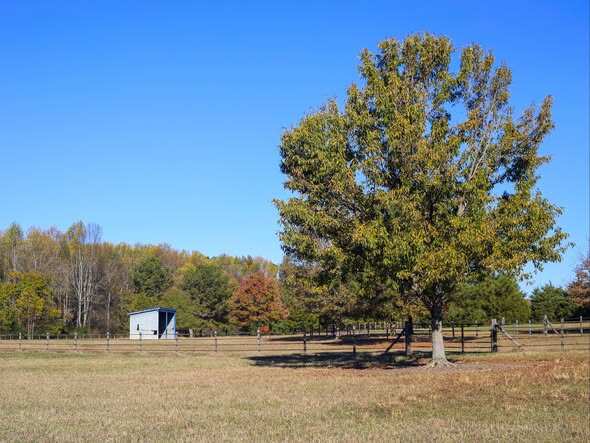
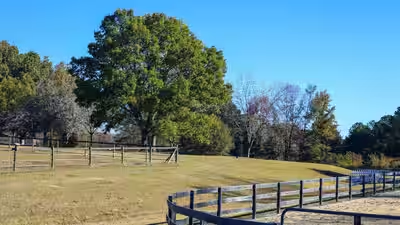
Image courtesy of Woke county official website
The farm, known as Two Paths Farm, belongs to Jennifer and Lane Tredway and covers approximately 55.2 acres across Wake and Johnston counties in North Carolina. Rather than selling the property or allowing it to become part of the region’s expanding development, the family chose to protect its future through a conservation easement.Through this arrangement, the family donated the full value of the development rights, meaning the land can no longer be converted into residential or commercial developments. However, the agreement does not mean that the farm has to stop functioning. Agricultural activities and forestry can continue, allowing the property to retain the character it has had for years.The conservation effort also involved both counties, which contributed towards the associated due-diligence costs, while Triangle Land Conservancy will monitor the property annually to ensure that the terms of the agreement are respected.
Why preserving the farm matters for North Carolina’s growing region
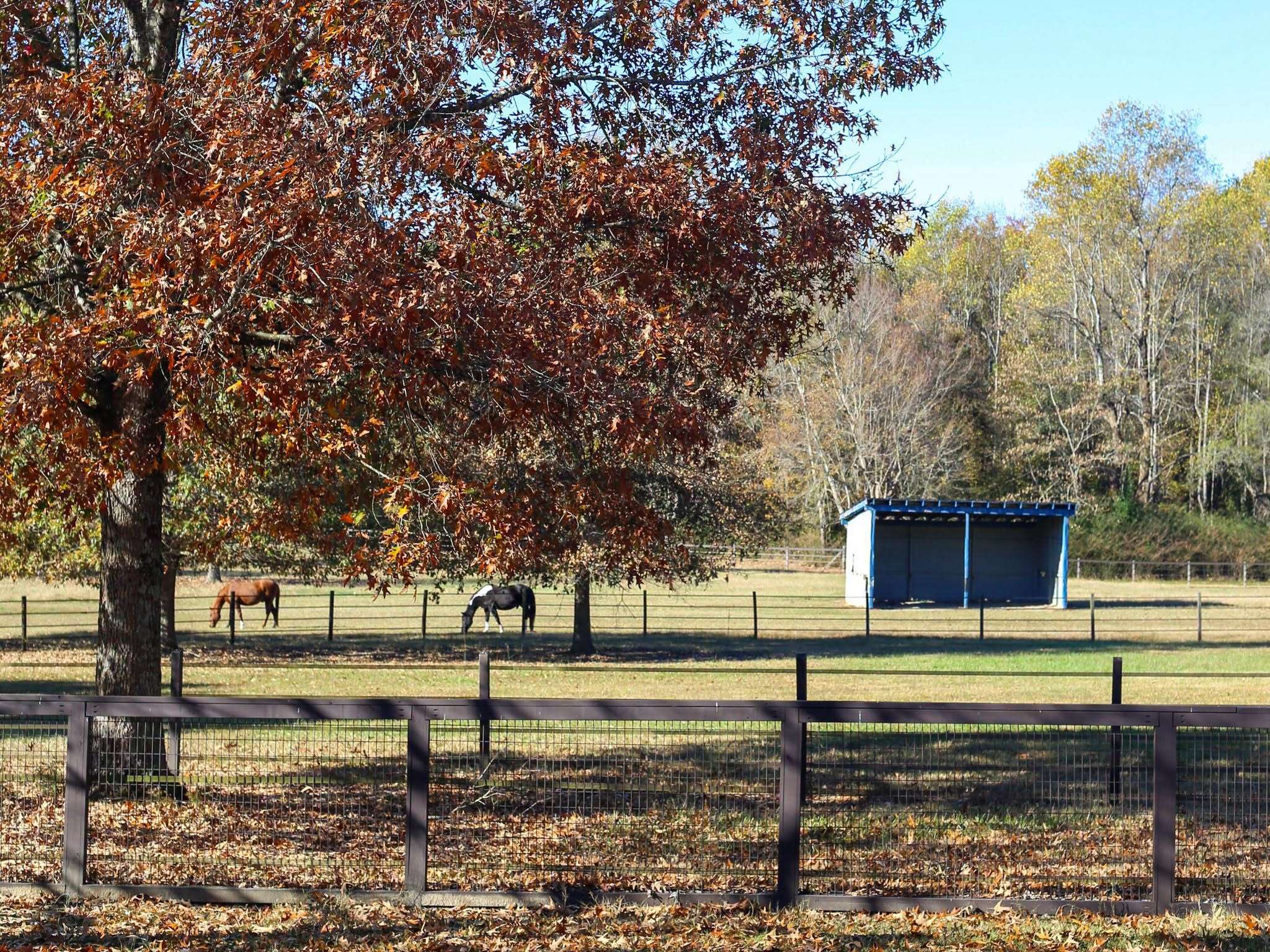
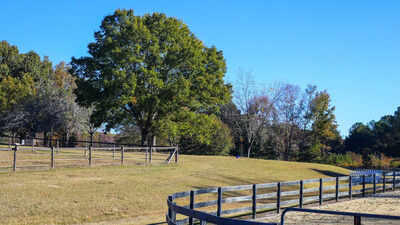
Image courtesy of Johnston news
The importance of protecting Two Paths Farm goes beyond preserving one family’s property. More than 90% of the soil on the land in question is classified as prime farmland. However, rather than being protected, the land was vulnerable to the pressures of rapid development and expansion.The farm’s location makes its protection particularly relevant. The area around Zebulon has been experiencing considerable development, with residential housing and commercial projects taking over the area. By placing restrictions on future construction, the conservation agreement ensures that the property can continue to support agricultural activities rather than eventually being converted into housing or commercial spaces.There is also a larger effort behind such initiatives. Two Paths Farm lies close to two other properties already protected through Wake County’s farmland preservation programme, creating a wider stretch of conserved agricultural land. The idea is not to stop communities from growing, but to ensure that growth does not come at the cost of losing every open field, working farm and natural landscape along the way.For a region where agriculture remains an important part of the local economy, preserving productive farmland is also an investment in its future. And in this case, the Tredway family has ensured that the land will remain available for agricultural use long after its present owners are gone.As the world continues to grow and cities keep expanding, it is easy to look at land only in terms of what can be built on it and how much it can be worth. But not every piece of land needs to become another housing complex, shopping centre or commercial project. Some spaces deserve to remain just as they are, allowing nature to exist without having to make room for human convenience. The Tredway family’s decision is a reminder that ownership also comes with the choice of what we leave behind. By protecting their 55-acre farm, they have ensured that its fields and forests will continue to be part of the landscape for generations to come