A lake often appears permanent, as though it has always occupied the same stretch of landscape. Yet some lakes are surprisingly young. A river changes course, a mountainside collapses, lava blocks a valley, or a dam reshapes an entire region. When water arrives where woodland once stood, the trees do not always disappear immediately. In certain places, cold temperatures, mineral-rich water, or unusual environmental conditions have preserved trunks and branches for decades, centuries and, in some cases, thousands of years.Across different parts of the world, submerged forests offer a glimpse of landscapes that existed before the water. Some were created by natural geological events, while others emerged after large engineering projects altered entire valleys. Though they share a common feature, each lake tells a very different story.According to WorldAtlas, check the list of lakes with underwater forests
Lakes with underwater forests around the world
1. Clear Lake, United States
pc: world atlas
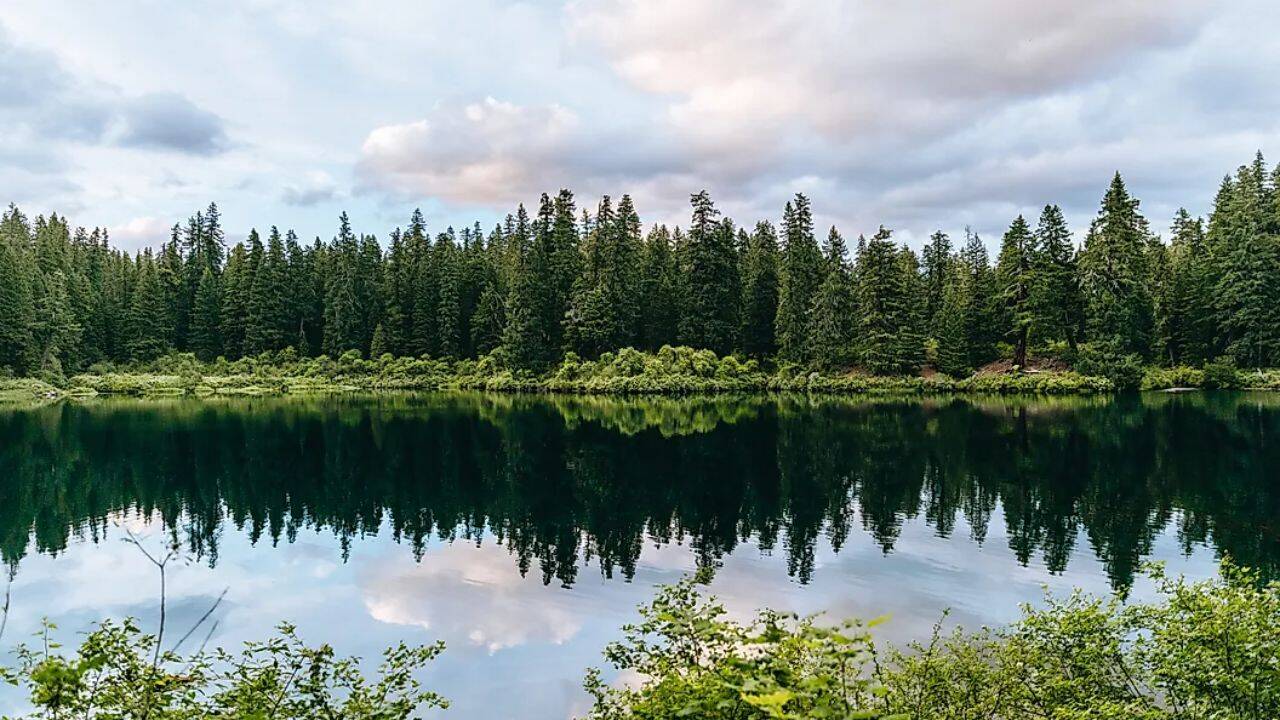
Hidden within Oregon’s Cascade Mountains, Clear Lake owes its existence to volcanic activity that unfolded thousands of years ago. A lava flow from the Sand Mountain volcanic area spread across the landscape and eventually blocked natural drainage routes. Water accumulated behind this barrier and gradually formed the lake seen today.As the basin filled, a forest became trapped beneath the rising water. Unlike many drowned woodlands that decay over time, the trees at Clear Lake remained remarkably intact. The lake is fed by cold spring water, and those low temperatures have slowed the breakdown of the submerged timber.Visitors often notice the unusual clarity of the water before anything else. On calm days, the outlines of ancient tree trunks can be seen extending from the lake bed. Some remain rooted where they originally grew, creating the impression of a forest frozen in place beneath the surface. Canoes and small boats provide one of the best views of the underwater landscape, which lies roughly 36 metres below the waterline in places.2. Lake Volta, Ghana
pc: worldatlas
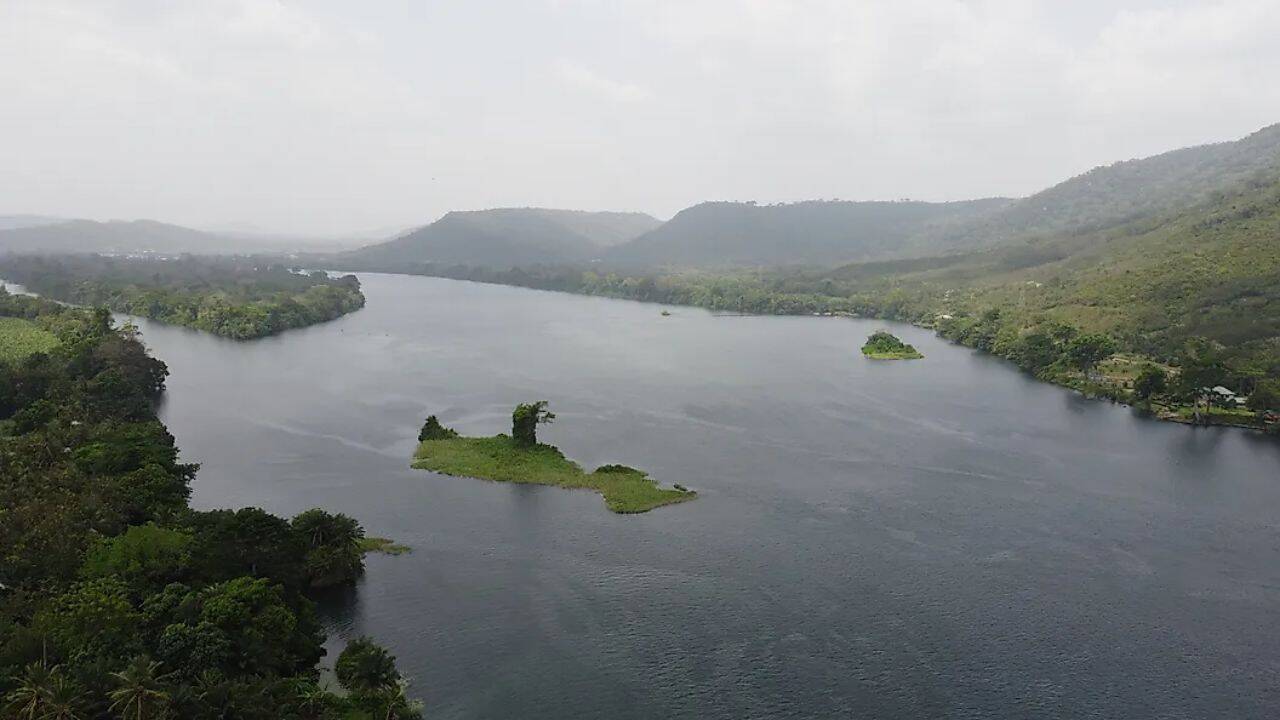
The story of Lake Volta is far more recent and closely tied to human intervention. The lake was created during the 1960s following the construction of the Akosombo Dam on the Volta River system. As water levels rose, vast areas of land disappeared beneath the expanding reservoir.Entire settlements were affected by the flooding, and large tracts of forest vanished beneath the newly formed lake. What remains today is one of the largest artificial lakes in the world. In certain locations, the tops of long-submerged hardwood trees still emerge above the water, providing a visible reminder of the landscape that existed before the reservoir.The lake has become central to transport, fishing and economic activity in Ghana. At the same time, the underwater timber has attracted commercial interest. Valuable hardwood remains preserved beneath the surface, prompting discussions about whether these resources should be recovered or left untouched. As a result, the submerged forests have become part of a wider debate involving conservation, industry and the long-term management of the lake.3. Lake Kaindy, Kazakhstan
pc: worldatlas
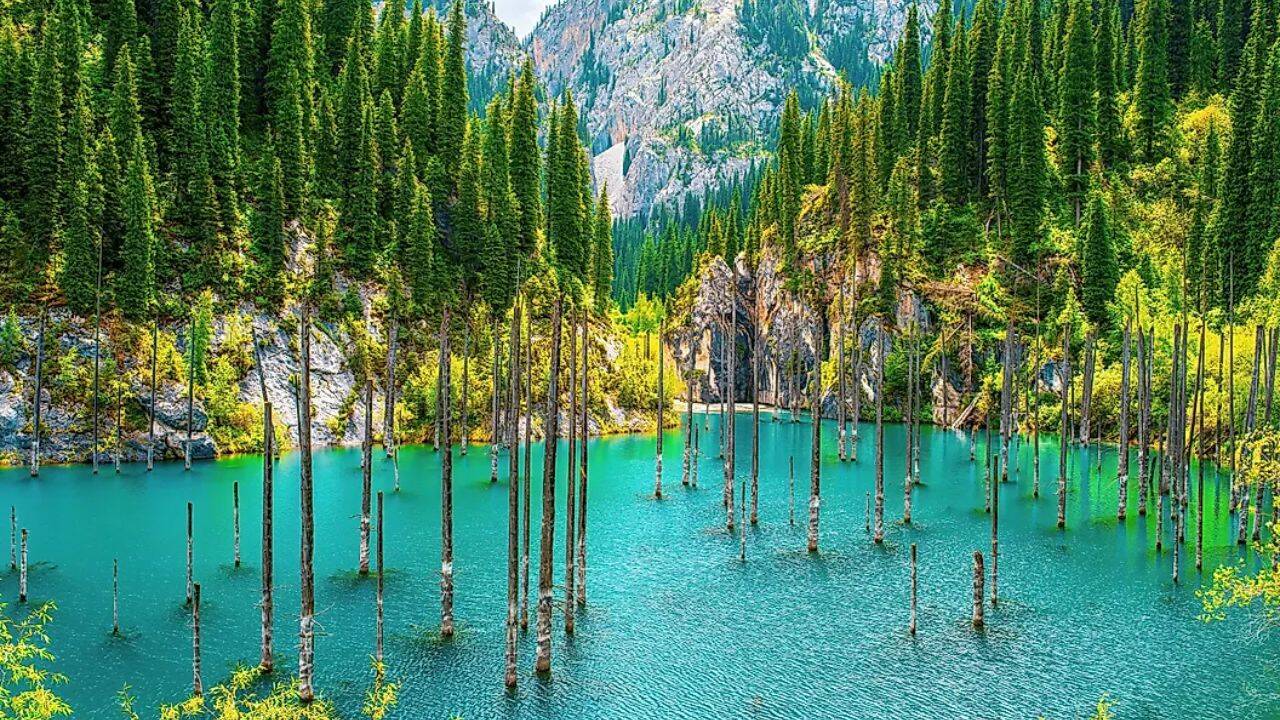
High in the mountains of southeastern Kazakhstan lies a lake that owes its existence to a single destructive event. In 1911, a powerful earthquake shook the region and triggered a landslide that blocked a gorge. Water gradually collected behind the natural barrier, creating what is now Lake Kaindy.The flooding submerged a spruce forest, yet many of the trees remained standing. More than a century later, their pale trunks still rise through the surface. Seen from a distance, they resemble the masts of abandoned ships scattered across the lake.Below the waterline, branches have survived surprisingly well. The lake remains cold throughout the year, helping preserve the drowned woodland. Divers who descend into the clear water encounter an unusual scene: spruce trees that appear suspended in time, their submerged sections largely unchanged despite decades beneath the lake.Seasonal conditions alter the atmosphere around the lake. During winter, ice forms across the surface and attracts visitors interested in ice fishing and cold-water diving. The forest, however, remains the main attraction, quietly marking the location of a valley transformed by geology.4. Lake Periyar, India
pc: worldatlas
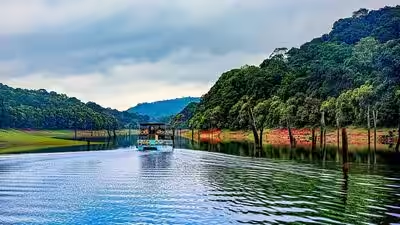
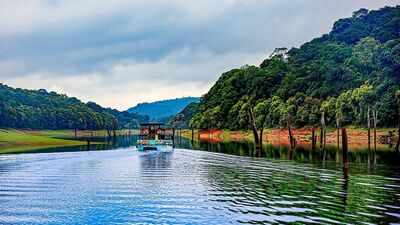
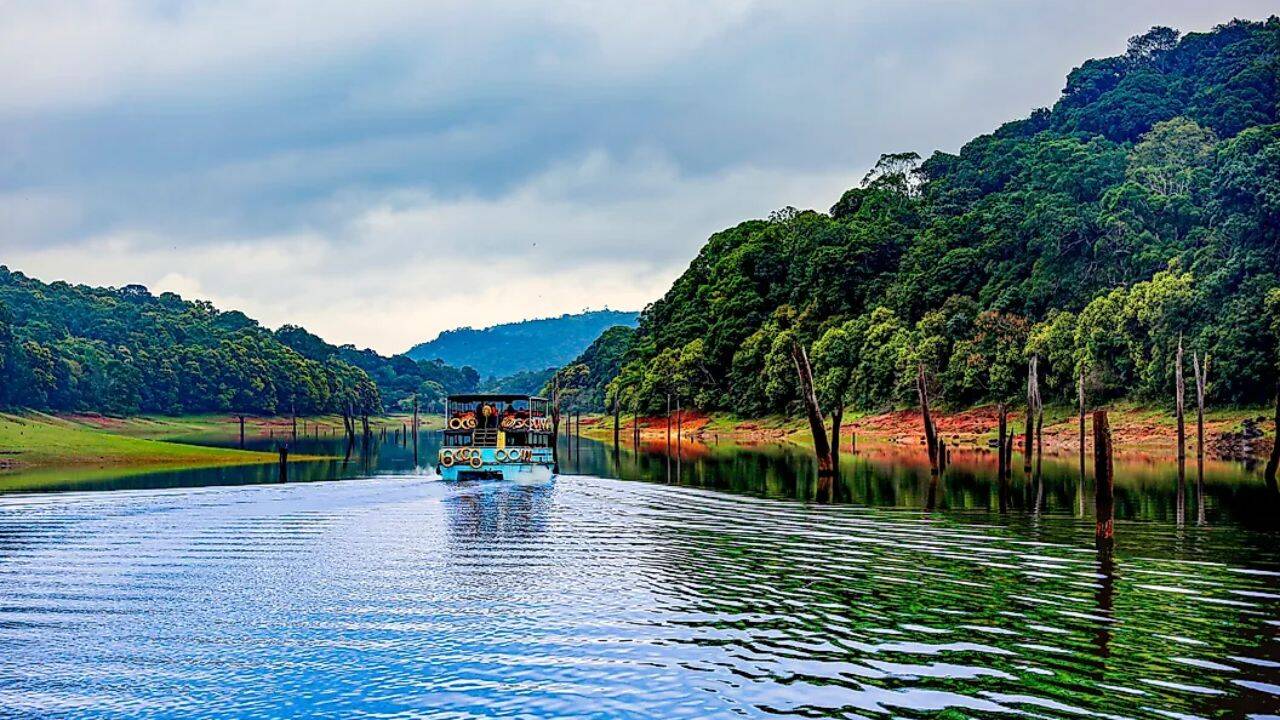
In Kerala’s Periyar region, the remains of another drowned forest are scattered across a broad reservoir surrounded by protected wilderness. The lake emerged after the construction of the Mullaperiyar Dam in the late nineteenth century, when rising water flooded sections of the valley.Unlike some submerged forests that are visible only beneath the surface, many of Periyar’s dead trees still project above the water. Their weathered trunks create a distinctive silhouette against the surrounding hills and woodland.Boat journeys across the lake often pass close to these remnants. The trees belong to species that once formed part of the valley’s natural vegetation, including teak, rosewood and other tropical varieties. While much attention in the area focuses on wildlife such as elephants and tigers, the flooded forest remains an enduring feature of the landscape.The lake’s reflective waters can make the submerged sections difficult to see clearly, yet the standing trunks reveal enough to suggest what once occupied the valley floor before it disappeared beneath the reservoir.5. Caddo Lake, United States
pc: worldatlas
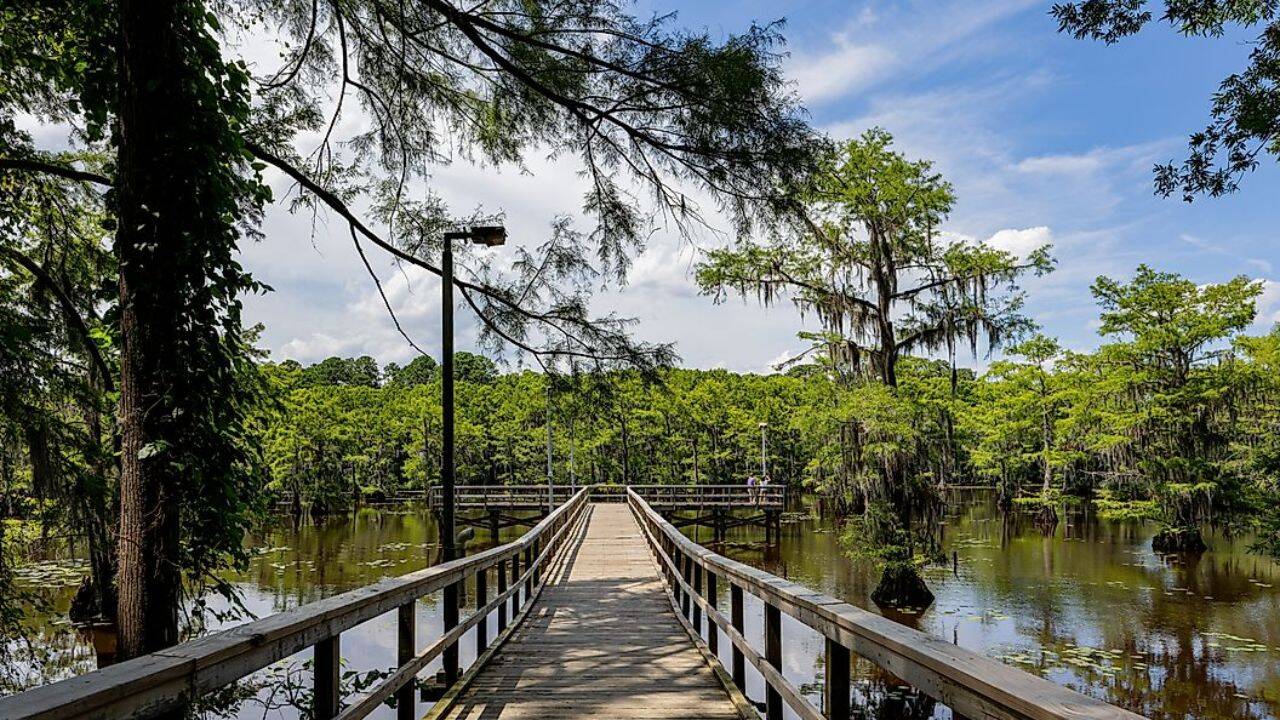
Not every underwater forest consists of dead trees preserved by cold water. Along the border of Texas and Louisiana, Caddo Lake presents a different picture entirely.The lake is dominated by extensive stands of bald cypress, many of which continue to grow while partially submerged. Their trunks rise from the water and support long strands of Spanish moss, giving the wetlands a distinctive appearance. Beneath the surface, specialised root structures help the trees cope with waterlogged conditions.Caddo Lake functions as a living ecosystem rather than a preserved snapshot of the past. Fish, reptiles, birds and mammals all make use of the wetlands. The submerged forest forms part of a dynamic environment that continues to change from season to season.Visibility in the water is often limited because of sediment and organic matter, so the underwater sections of the cypress trees are not as easy to observe as those in clearer lakes. Even so, the forest remains one of the defining characteristics of the region and contributes to the lake’s unusual character.