
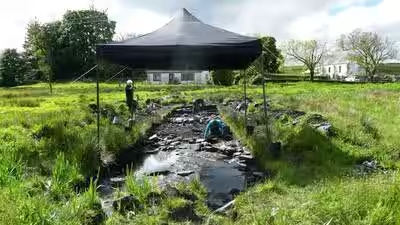
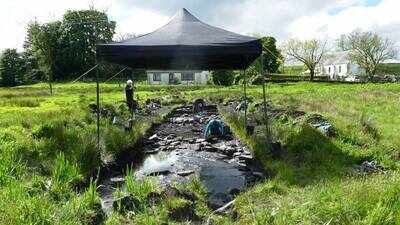
The residents of Lismore, a tiny Scottish island with around 190 inhabitants, have helped uncover an extraordinary chapter of its early Christian history by raising funds to investigate its monastic past. Excavations led by a professional archaeologist revealed an early medieval cemetery, ancient buildings and remarkable evidence of sophisticated metalworking and craftsmanship. More than 1,000 pieces of metalworking debris were discovered, including crucibles and moulds associated with jewellery-making. The findings suggest that Lismore was an important religious and artistic centre during the sixth and seventh centuries, offering new insights into early Christianity in northern Britain.The discoveries were made after local residents pooled donations and secured grants to fund archaeological work on the island. Although historical records suggested that Lismore had been home to a monastic settlement dating back to the sixth century, physical evidence of its significance had remained limited.The island’s historical society helped drive the project, which uncovered an early medieval cemetery surrounded by a clay-bonded limestone wall, decorated stonework and the remains of early structures near the parish church.The findings have been documented in a study published in the journal Antiquity. The researchers said the discoveries highlighted the site’s importance as a high-ranking ecclesiastical centre in the Insular northwest and revealed its role in early Christian networks associated with the kingdom of Dal Riata.
Archaeologists discover evidence of seventh-century jewellery-making

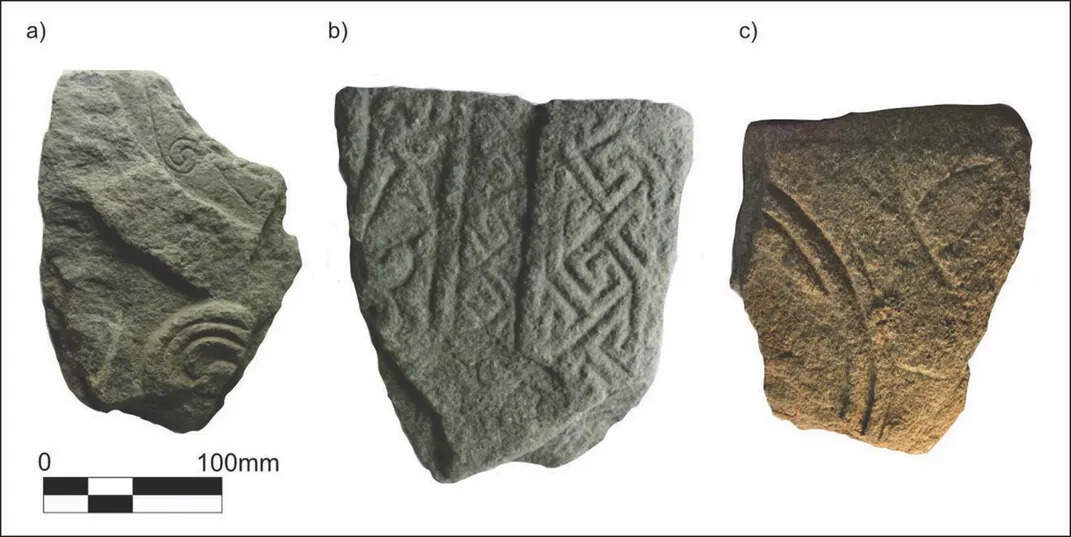
More than 1,000 metalworking artefacts were discovered on the tiny island. (Photo: Antiquity)
Among the most striking finds were more than 1,000 pieces of metalworking debris, including crucibles and moulds used to make brooches. Analysis indicated that craftspeople had worked with gold, copper and silver on the island during the seventh century.Robert Hay, the project’s volunteer coordinator, described the discoveries as extraordinary, particularly given the challenging conditions at the excavation site.“We were [excavating] in this really unfavourable, boggy area,” Hay told The Guardian, reflecting on the discovery of the crucibles and the evidence of precious-metal working.The finds suggest that Lismore was more than an isolated religious settlement. Its metalworking and woodworking activities point to a community with considerable artistic skill and access to specialised craftsmanship, comparable to other prominent monastic sites in the region.
Saint Moluag’s legacy comes into focus

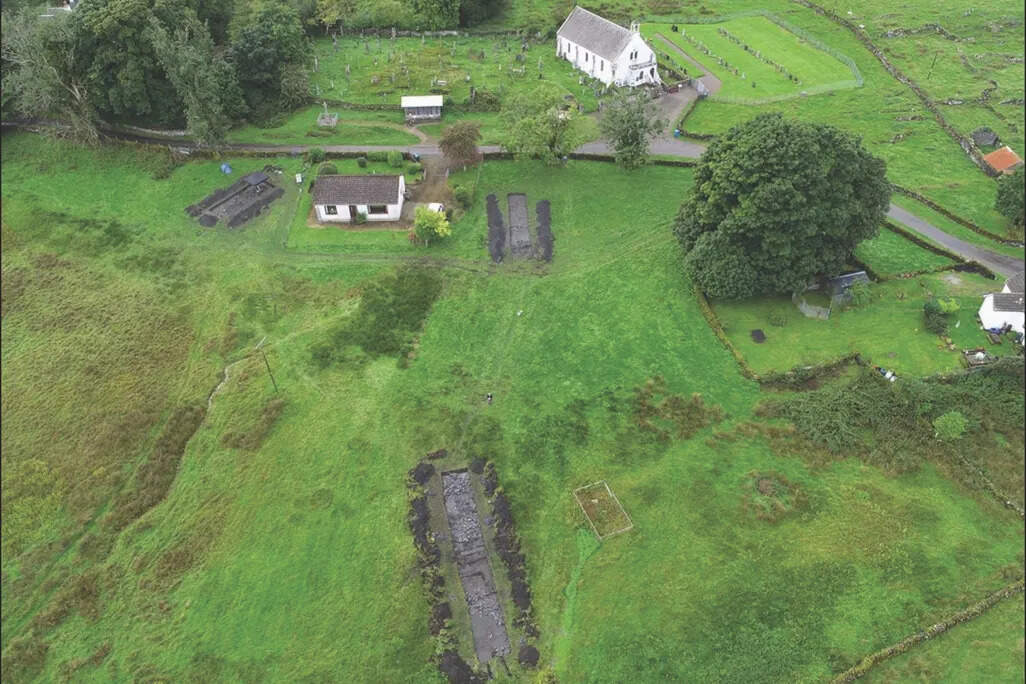
Local residents helped fund the excavation to uncover the island’s monastic past. (Photo: Antiquity)
Lismore takes its name from the Lios Mor monastery and has long been associated with Saint Moluag, an Irish missionary who travelled to northern Britain in the sixth century. He is believed to have founded churches in the kingdom of Dal Riata as Christianity spread across the region.Although archaeologists cannot conclusively date every structure and artefact to Moluag’s lifetime, the burial practices are consistent with customs from the sixth and seventh centuries. The researchers believe the evidence points to a thriving monastic community with influence extending beyond the island.“The finds strengthen the notion that the parish church is located on the site where Moluag established a church in the sixth century,” the study’s authors wrote.
‘We knew practically nothing’ about Lismore’s past
Gordon Noble, an archaeology professor at the University of Aberdeen, said the discoveries had significantly expanded understanding of the island’s historical importance.“This was clearly a really important early Christian establishment,” he said, drawing comparisons with better-known monastic centres such as Iona.Noble added that, despite Lismore’s association with Moluag and the presence of an ancient sculptural fragment, little had previously been known about the site.He described the results emerging from the local community’s efforts as “hugely exciting”.