
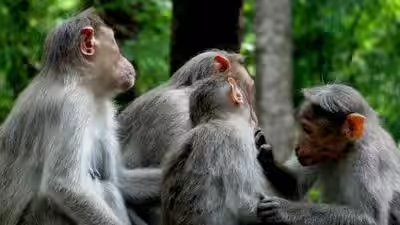
Interactions between primates and animals outside their families have been documented for a long time, from predator-prey relationships to friendly behaviours. While many of these interactions were earlier dismissed, a systematic review of the scientific literature, media reports and surveys has analysed 427 unique cases of inter-species social interactions. This Springer study titled ‘Heterospecific social behavior in primates: insights into the evolutionary roots of pet-keeping‘ shows that these interactions involve at least 88 different primate species and 127 non-primate species, including mammals, birds, and even insects.Such interactions take place in the wild as well as in captivity, and they point to an ancient capacity for sociality that crosses species boundaries. These examples reveal that the roots of human-animal partnerships, such as caring, toleration, and curiosity, are not specific to humans. Instead, they seem to be widespread across the primates, and open up avenues for understanding the evolutionary history of interspecies bonds.
How diverse and deep are the relationships between monkeys and other animals
For many years, observations of monkeys and apes interacting with other species were often viewed as isolated anecdotes. However, recent research has changed this perspective by providing the first comprehensive review of these social interactions.The data shows 427 documented cases of primates interacting with other animals for reasons other than survival. Of these 427 cases, 311 were in the wild and 111 were in captive settings like zoos. The data suggests that the desire to interact with others is not just a result of being confined together in a cage, but a natural part of primate life. These encounters involve a wide range of partners, including 127 different non-primate species such as sheep, tapirs, deer, cats, and even reptiles or amphibians.
Which species has more chance to form these loving and caring bonds
Most of the social interactions happen between primates that are somehow related, such as different types of Old World or New World monkeys. However, primates also engage with distantly related animals. The research shows that friendly behaviours are regularly shown toward dogs and birds.For example, a northern white-cheeked gibbon was seen gently caressing a mouse that had arrived into its area, and silverback gorillas have been observed carefully cradling tiny bushbabies. Another famous example of this phenomenon involves ‘Japanese macaques,’ which are known to groom and even ride on the backs of sika deer in a peaceful arrangement.

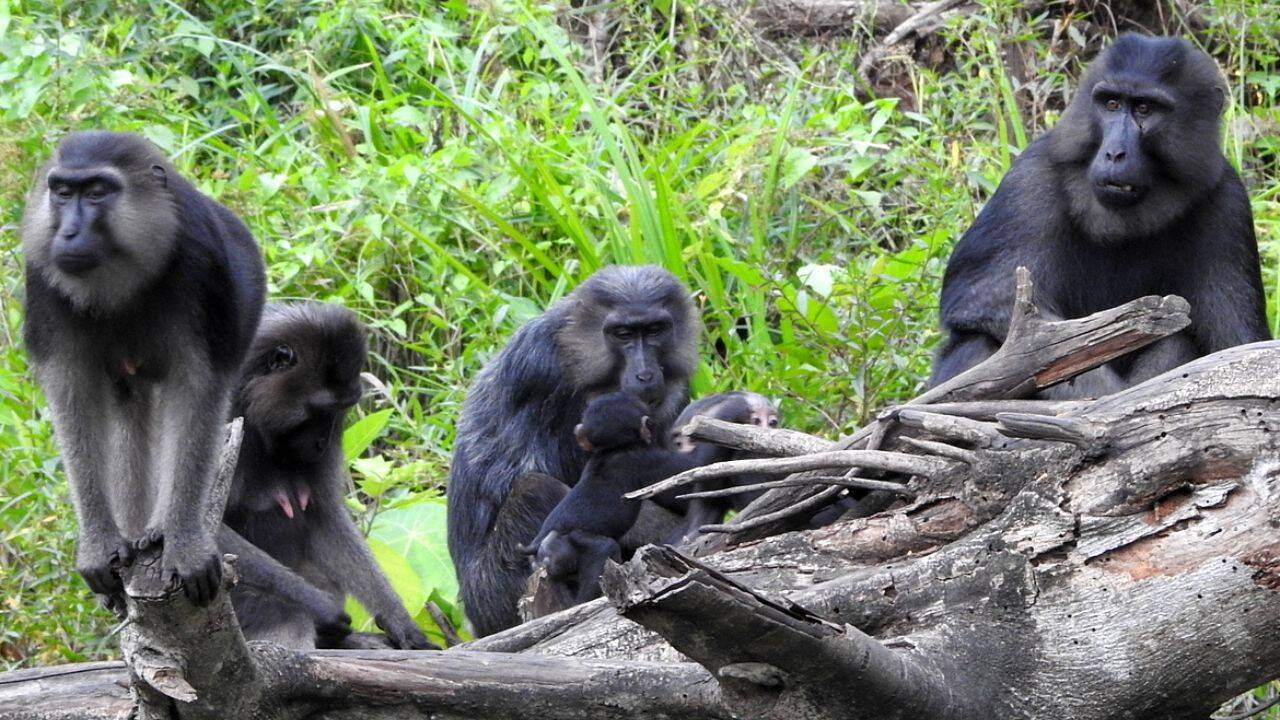
Sulawesi Booted Macaque (Macaca ochreata) in Indonesia. Image Credit: Hamas Fathani
Why do primates choose to play and groom other animals
When scientists looked at the types of behaviours, play and grooming activities stood out. The study recorded 139 instances of play and 136 of grooming. In the animal kingdom, these actions serve very practical purposes.Grooming helps in removing parasites and keeping them clean, while play is important for physical coordination and social skills. But when these behaviours shift over other species like a ‘langur monkey’ fondling a squirrel, it suggests that primates have a high degree of social flexibility and curiosity. These interactions arise from repeated contact in places where different animals appear to seek food or safety from predators.
Effects of age and sex on these social interactions
Young primates, including infants and juveniles, are the ones that wanted to play with other species the most. The reason can be the natural curiosity of youth and the need to explore their environment. On the other hand, adult females are more likely to engage in grooming and caregiving behaviours. The adult males were found to be the ‘least social’ group. One might assume that primates would prefer to interact with the babies of other species, but the research found that they are just as likely to approach adult animals.
Is every encounter a positive experience for the animals
Researchers warn that these interactions are not always ‘friendships’ like in humans. In some cases, a primate might ‘abduct’ a young animal from its own group, and if the primate does not know how to care for it properly, the interaction can lead to injury or even death through neglect. Some documented cases were clearly violent. However, there are also stories of long-term care, such as a capuchin monkey that adopted a marmoset for several weeks, or a zoo macaque that raised a chicken as her own offspring. These examples show that the outcomes can vary, but the feeling to form a bond is strong.
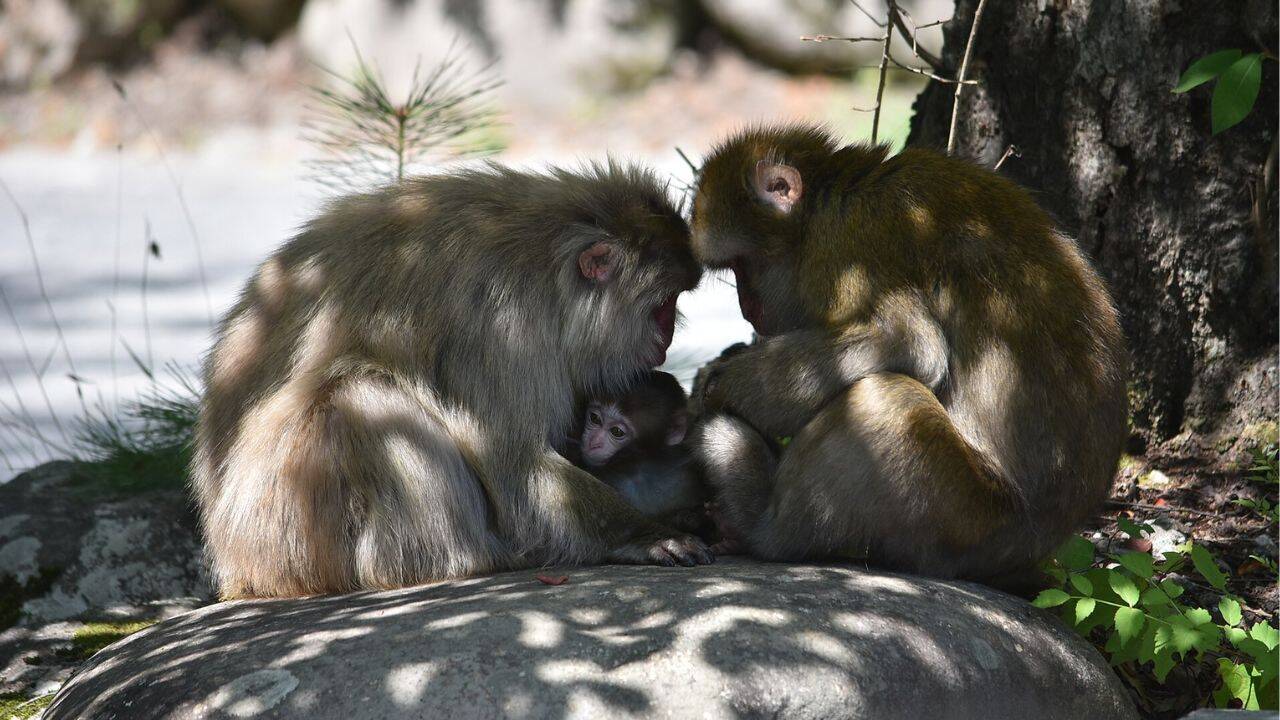
Omachi Energy Museum (located in Omachi City, Nagano Prefecture)
What does this review say about the history of human pets
Humans are thought to be unique in keeping pets and creating close bonds with other animals. But these results suggest that the building blocks for this behaviour are rooted in history. By studying how primates interact with the world around them, one can get a better sense of the relationship between human and animal kingdom.As wildlife is getting closer with humans and domestic animals due to depleting forests, understanding these social dynamics becomes more important for conservation and public health. These inter-species bonds are not just stories, but an insight into the complex social minds of primates.