
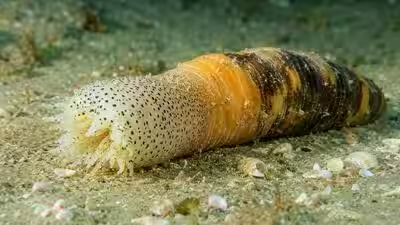
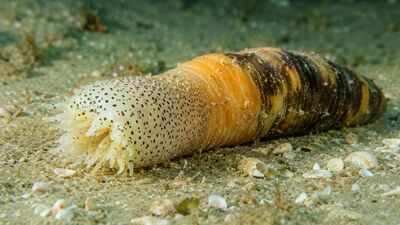
An ordinary sea creature has stunned scientists with its extraordinary ability to rebuild its body after being cut into pieces. Scientists studying the solitary ascidian Polycarpa mytiligera found that when the animal was cut into separate pieces, each surviving fragment could regenerate into a complete, functional individual. The finding is particularly remarkable because this ascidian is a solitary species and does not reproduce asexually, unlike some colonial relatives known for strong regenerative abilities.According to the research published in Frontiers in Cell and Developmental Biology titled ‘And Then There Were Three…: Extreme Regeneration Ability of the Solitary Chordate Polycarpa mytiligera’, researchers collected the animals from the Gulf of Aqaba near Eilat and made controlled cuts at different points along their bodies. The fragments were then monitored for 40 days as the wounds healed and missing structures gradually reappeared. Within 30 to 40 days, every tested fragment had developed into a separate animal, although the regenerated individuals were smaller than the originals. The researchers also found that the animals could rebuild major organs, including the heart, digestive system, and neural complex.
How this sea creature rebuilt its heart, digestive system and neural complex
The study found that the dissected ascidians could rebuild the tissues and organs lost during amputation. Some structures, such as the body wall and branchial basket, regenerated from tissues that remained in the fragments. Other organs formed entirely new, including the neural complex, digestive system, and heart, with no visible traces of their original structures. The regenerated animals also showed signs of functional recovery. When exposed to external stimulation, they responded with body contractions. The researchers also found that more cells began forming around the wound after the animal was cut. This may help explain how the damaged area starts rebuilding. Overall, the findings show that Polycarpa mytiligera has an unusual ability to regenerate lost body parts and organs.

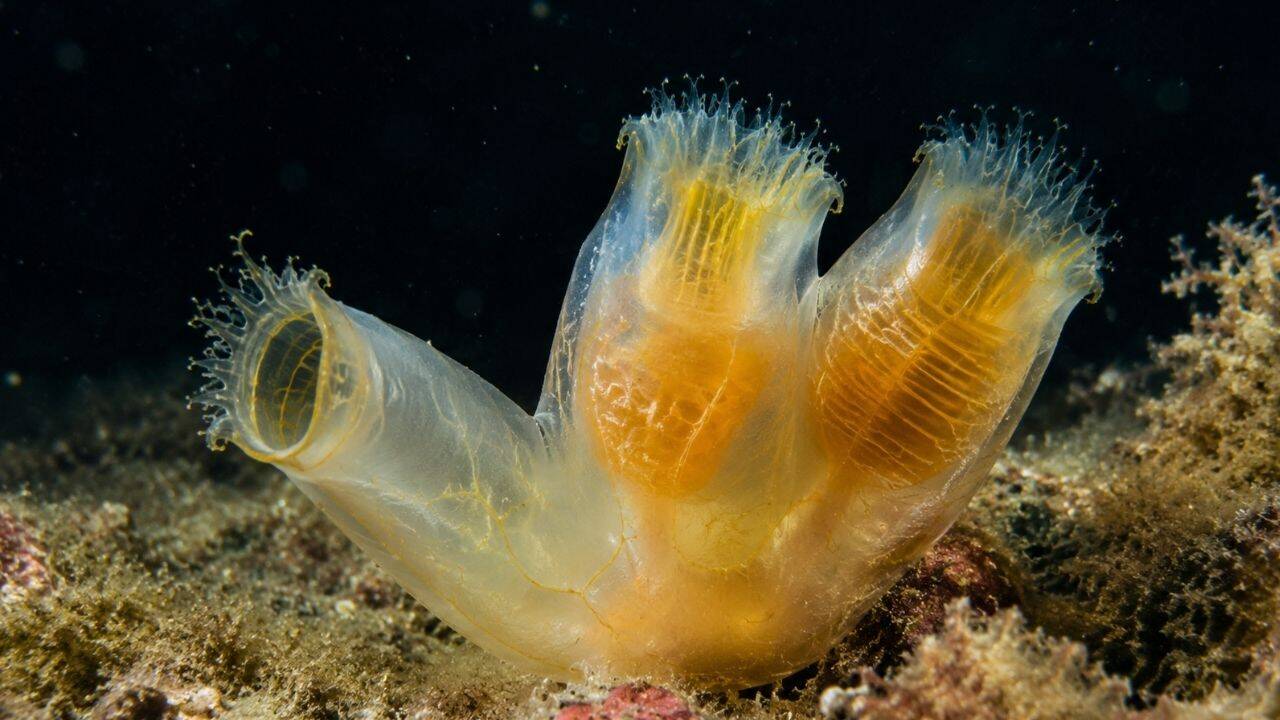
PC: AI Generated
How Polycarpa mytiligera compares with other regenerating sea creatures
The researchers also explored why Polycarpa mytiligera has such an unusual ability to regenerate despite being a solitary ascidian. Unlike colonial ascidians, it does not reproduce asexually. Yet its ability to rebuild an entire animal from a small fragment resembles the regeneration seen in some colonial species. To examine this connection, the team compared thousands of protein-coding genes across different ascidian species. Their analysis placed P. mytiligera close to colonial species that can reproduce asexually.