
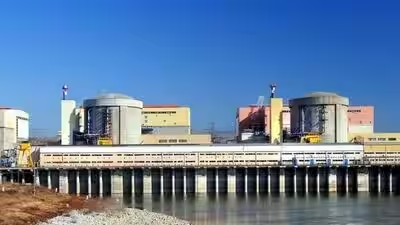
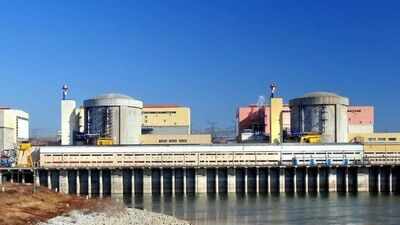
Romania has placed its energy sector under a nationwide 30-day state of alert after the Danube river levels fell to exceptionally low levels. This has forced Unit 1 at the Cernavodă nuclear plant offline and put Unit 2 under continuous review.Emergency river works have kept Unit 2 online for now, but the latest hydrological outlook says levels around the plant may keep falling through Aug. 16. While Romania has bought several days, it has not solved the water crisis.
The fall of the Danube
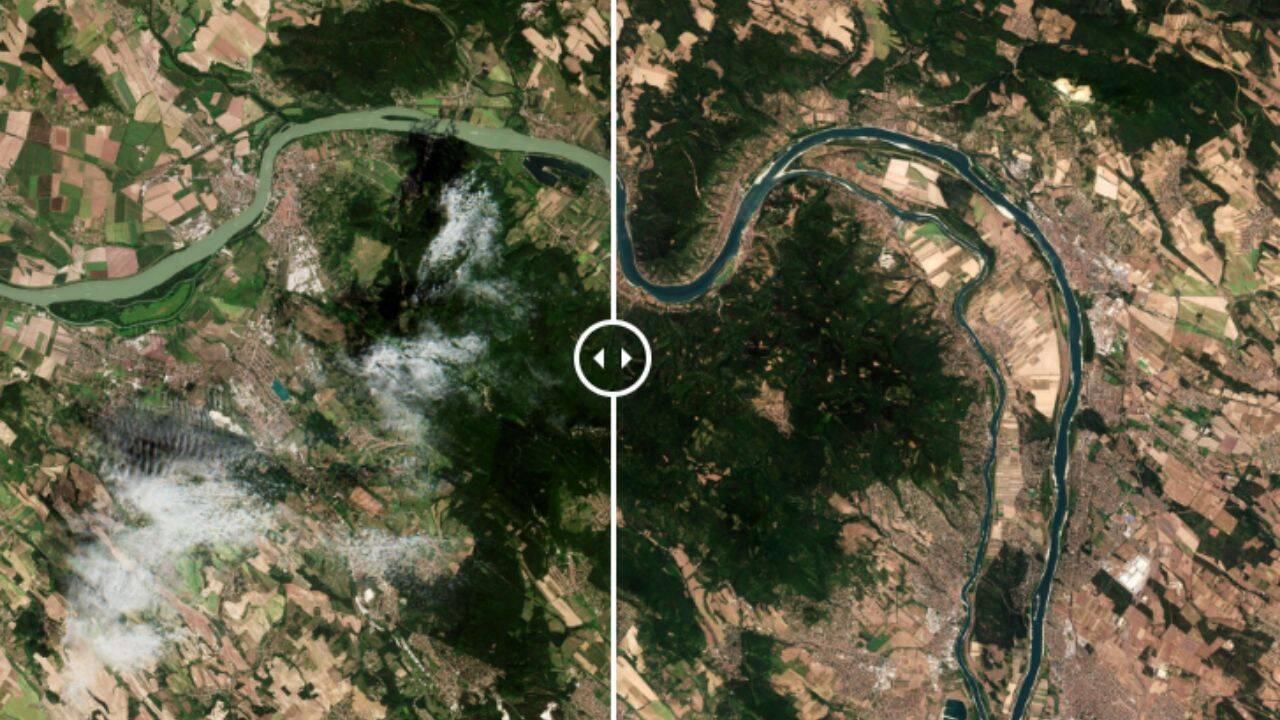
The Danube is the European Union’s longest river and flows for 2860 km from Germany to the Black Sea. The river’s level has fallen to a record low due to a severe drought in central Europe. It has caused energy and water shortages along with problems for river barges and ferries. The low levels of water also impact wildlife, with fish unable to survive as water temperatures and pollution concentration levels rise while oxygen levels decline.At Romania’s upstream entry point, the Danube was flowing at 1,650 cubic metres per second on July 28, around one-third of the long-term July average of 4,750. By August 6, the flow had fallen to about 1,400 cubic meters per second, matching the lowest level cited in Romania’s historical records. State-owned nuclear power producer Nuclearelectrica shut Unit 1 down in a controlled manner on July 28 under procedures for severe drought. The operator stressed that the preventive shutdown had no impact on nuclear safety, plant personnel, or the environment.Cernavodă has two roughly 700-megawatt units that normally provide about 18 to 20% of Romania’s electricity. Losing one unit therefore removes a substantial block of steady generation just as sticky summer heat pushes up evening demand. Danube is a part of the plant’s infrastructure because its water supports the systems that remove heat and keep operating parameters inside the approved margins. When intake conditions become too poor, shutting a unit before those margins are squeezed is the safety measure working as intended.
Romania reshapes the river

Officials estimated that the improved conditions could support Unit 2 for at least nine more days within the period covered by the forecast.
In an attempt to manage the situation, authorities blasted a rock obstruction, dredged the riverbed and sank four barges loaded with stone to create an underwater barrier that redirects more of the river’s water towards Cernavoda. The Romanian military used 180 kilograms of explosives during the controlled operation near the Bala Canal.The Energy Ministry said the water level at Cernavodă rose by 4 centimetres in 24 hours even though forecasts had pointed to a drop of about 4 centimetres. Officials estimated that the improved conditions could support Unit 2 for at least nine more days within the period covered by the forecast.
A temporary solution at best
This reprieve is fragile. Romania’s water management agency expects the Danube to remain at an extreme low at the country’s entry point, while levels near the plant are forecast to fall until August 16 and additional dredging has been recommended. Nuclearelectrica has repeatedly said Unit 2 may still need to shut down if water levels or operating parameters cross permitted limits.The government allocated money for Danube works and opened talks with Ukraine and other neighbouring countries about electricity imports during peak demand. Yet Hungary has also cut nuclear output because of the same low river, while drought has weakened hydropower across the region. A transmission line can cross a border, but it cannot import electricity that neighbouring grids do not have to spare. That is why the Romanian response also depends on lowering demand during the tightest evening hours.According to a report by econews, households, companies, public institutions and prosumers have been asked to reduce voluntary electricity use from 7 pm to 11 pm through August 31. The Romanian Ministry of Energy also recommended shifting washing machines, dishwashers, dryers, electric boilers and electric vehicle charging to 11 am through 5 pm, when solar generation is stronger.