
For millennia, forests have been our primary source of natural resources. Not only have they provided us with food, wood and shelter, but they have also helped develop civilisation. From Christmas trees to the sacred groves of tribal communities, forests have shaped traditions beyond cultural boundaries. But today, as deforestation and climate change threaten these ecosystems, it might be time we did something in return. We have destroyed forests for money through illegal poaching, deforestation and the pursuit of short-term economic gains. But what if I told you that a small island nation in Africa has found a way to monetise forest protection?According to a November 12 announcement by the Wildlife Conservation Society (WCS), Madagascar’s initiative, known as Ala Velona, meaning ‘Living Forests’, aims to protect approximately 4 million hectares of forests across 13 regions, representing nearly 55% of the country’s forest cover.

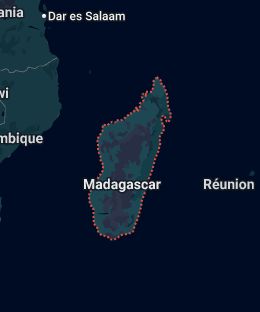
Map of Madagascar (Wikimedia commons)
The announcement follows the publication of the programme’s formal concept note on the registry of the Architecture for REDD+ Transactions (ART), an international organisation that administers the TREES standard for forest carbon credits.“Madagascar deserves recognition for taking this important step toward long-term, equitable security for its extraordinary forests and biodiversity,” said Joe Walston, WCS Executive Vice President for Global Conservation. “By pursuing high-integrity forest carbon credits, the government demonstrates how protecting nature can directly support communities, build resilience and contribute to countering climate change. We look forward to continuing our partnership with the government and people of Madagascar on this ambitious initiative.”
How does Madagascar’s carbon-credit programme work?

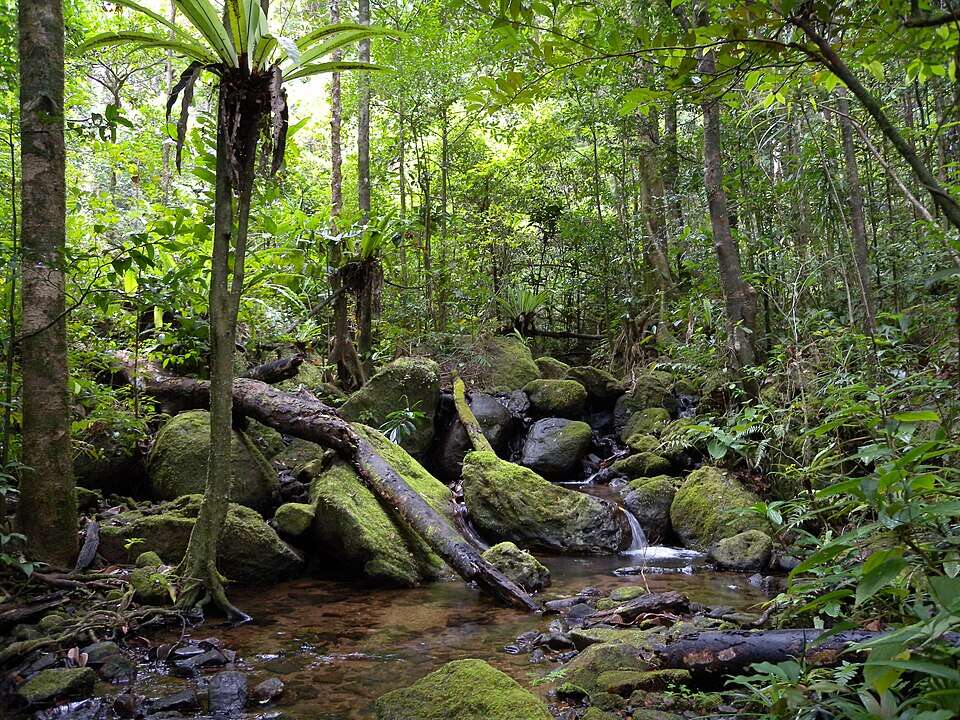
Lowland Rainforest of Masoala National Park, Madagascar (Wikimedia Commons)
Imagine a forest that does not have to be cut down to generate economic value. Its trees remain standing, its wildlife continues to thrive, and the communities living around it can benefit from its protection. This is the idea behind Madagascar’s Ala Velona, which translates to ‘Living Forests’.The programme is built around the concept of carbon credits. In simple terms, when a country demonstrates that it has reduced greenhouse gas emissions by preventing deforestation and forest degradation, it can earn carbon credits for those verified reductions. These credits can then be sold to generate funding for further conservation efforts.Madagascar’s programme aims to protect approximately 4 million hectares of forests across 13 regions, with a target of reducing emissions by 6 million tonnes annually. However, the programme must still go through the required registration, validation and verification processes before carbon credits can be issued.But why is there suddenly so much emphasis on protecting forests?
Why are Madagascar’s forests worth protecting?

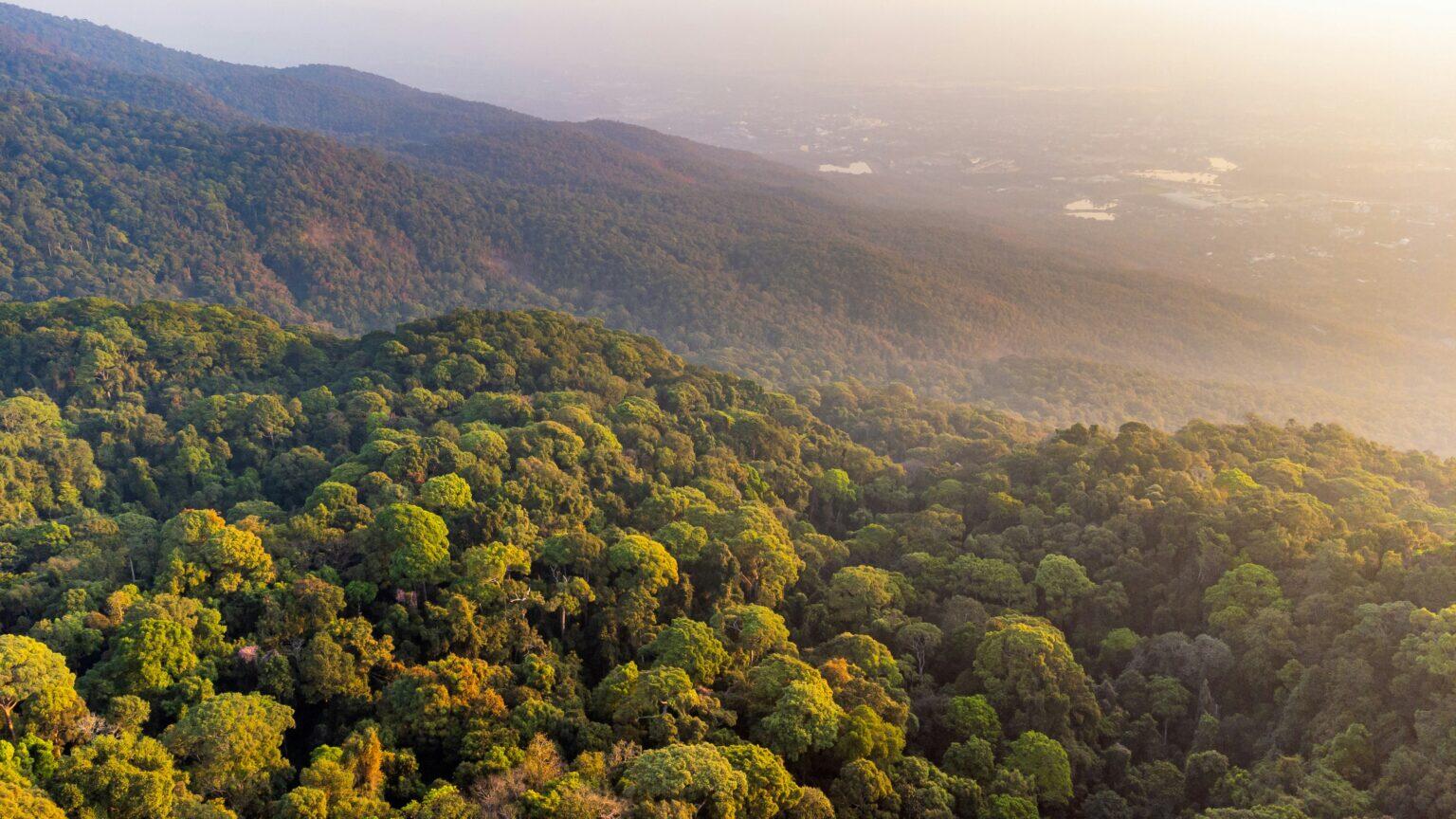
Protected forests of Madagascar (Image courtesy of @Forestclimateleaders.org)
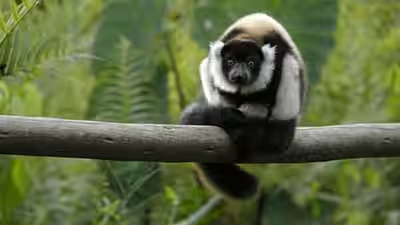
Madagascar is not just another island with dense forests. It is considered one of the world’s most important biodiversity hotspots, with an extraordinary variety of plants and animals, many of which cannot be found anywhere else in the world. According to the Convention on Biological Diversity, approximately 96% of its vascular plant species, 90% of its reptiles and all its lemur species are endemic to the island. This makes Madagascar’s forests particularly important, as they serve as natural habitats for species that have evolved in relative isolation for millions of years.Among its most recognisable inhabitants are lemurs, the primates native to Madagascar, alongside colourful chameleons, rare orchids and baobab trees. Its forests also provide essential ecological services, helping regulate water systems, protect soil and support the livelihoods of communities dependent on agriculture and other natural resources. According to the Food and Agriculture Organisation (FAO), rural communities in Madagascar depend heavily on these natural resources for their livelihoods and food security.However, for a long time now, this ecological wealth has been under pressure. Agricultural expansion, charcoal production, illegal logging, mining and forest fires continue to contribute to habitat destruction and degradation. A 2026–2030 strategic plan by WWF Madagascar identifies habitat destruction as the leading threat to the island’s endemic species, around 90% of which are dependent on forests.The consequences extend beyond wildlife. As forests disappear, communities also risk losing their resources and the culture that comes with them, their livelihoods and, ultimately, their very future. With continued soil degradation and disruption of water systems, the threat is not only to the trees but also to the children of these communities. Protecting Madagascar’s forests, therefore, is not simply about preserving rare species; it is also about safeguarding the natural systems and human communities that depend on them