
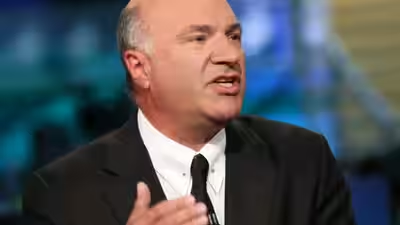
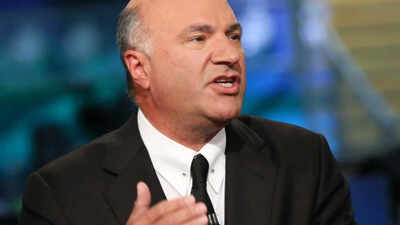
Kevin O’Leary backed a proposed 40,000-acre AI data centre district in Utah, with plans for up to 9 gigawatts of power. However, months later, the project has been reduced to about 20,000 acres following local opposition, according to Utah Public Radio. Residents have raised concerns about its environmental impact, water and energy use, and the level of public review before the project moves ahead.The proposed Stratos Project is planned for Box Elder County in northwest Utah. The original site covered 40,000 acres, about half the size of Salt Lake City. The area is dominated by ranching, farming and open space and lies north of the shrinking Great Salt Lake, which is also a sanctuary for migratory birds.The project was backed by O’Leary, who said it could strengthen the local economy and increase US computing and energy capacity. The plan included a 9-gigawatt AI data centre, a natural gas plant to power it and other possible facilities.The proposal faced strong opposition from residents. Hundreds attended a Box Elder County Commission meeting in May, where commissioners unanimously approved the project. Residents raised concerns about the scale of the development, its energy and water use, possible environmental effects and the time available to examine the plans.
Project size cut in half
By June 4, O’Leary had agreed to reduce the proposed campus from 40,000 acres to about 20,000 acres, according to Utah Public Radio.The change followed demands from Utah Senate President J. Stuart Adams, who also chairs the agency backing the project. Adams had called for a 75% reduction in size, environmental protections and greater transparency. Despite the change, O’Leary continued to blame misinformation for some of the opposition to the project.The development was planned in phases over several years. O’Leary said developers hoped to have the first gigawatt of data centre capacity operating within two years. The group had already invested about $20 million and planned to seek commitments from potential data centre tenants before raising more money.O’Leary said the project could eventually cost more than $100 billion. He also said it could support about 10,000 construction jobs and 2,000 permanent positions, while generating tax revenue for the state and county.
Residents raise environmental concerns
The original 9-gigawatt facility would use more than twice the energy consumed by Utah in a year, according to CNN. But residents questioned what that level of energy use, along with the project’s power plant, could mean for the surrounding area.Water use was another concern. Residents feared that cooling the data centre could put additional pressure on the already shrinking Great Salt Lake.“We keep hearing over and over again that we need to pray for rain,” said Sarah Inskeep-Young, who lives in Salt Lake City and has family in Box Elder County. “And now this is coming. What does that mean to the whole state?” She added as quoted by CNN.In response, developers said they would use technologies to reduce water consumption and improve the facility’s power efficiency. They also said the project would follow federal and state environmental regulations.O’Leary also rejected concerns about the lake’s water levels. He called worries about draining the lake “ridiculous” and said, “as a graduate of environmental studies, I know what’s on their mind, what they’re concerned about.”Residents, however, said they wanted independent studies before the project moved ahead.“Let’s do an environmental impact study and let’s publish it transparently. Let’s get some things in writing, and let’s give the community some time to review them and give experts some time to review them,” said Caroline Gleich, an environmental advocate and resident of nearby Park City.
Referendum application filed
The Box Elder County Commission said it had reviewed more than 2,500 public comments before approving the project. The meeting drew hundreds of people, including residents seeking more information and others protesting the development.Robert Davies, a Utah State University physics professor who studies environmental change, attended the meeting. He said the “overwhelming sentiment was that we don’t have enough information.”The meeting became heated, with shouting and some profanity. Commissioners later moved to a private room, while people in the audience watched the approval through a livestream.Box Elder County Commissioner Lee Perry said the decision was about property rights. “Our vote today is not a vote or against the data center. Our vote is about personal property rights,” Perry said.A group of Box Elder voters also applied to add a referendum to the November ballot seeking to overturn the county commission’s approval.