
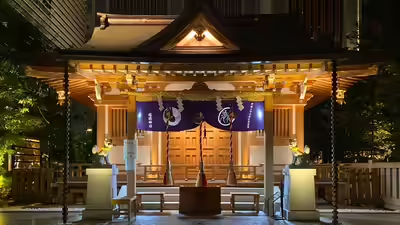
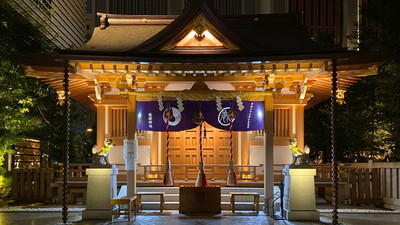
Hidden among the gleaming skyscrapers of Tokyo’s busy Nihonbashi district is a tiny Shinto shrine where prayers have taken on an unusual modern meaning. Instead of asking for good health, academic success or prosperity, thousands of music lovers visit Fukutoku Shrine hoping to secure something that has become incredibly difficult to obtain in Japan: concert tickets. As major performances increasingly use lottery-based ticketing systems, fans believe the shrine’s centuries-old reputation for bringing good fortune could improve their chances of seeing their favourite artists live. The result is a fascinating blend of ancient religious tradition and contemporary pop culture.
Tokyo’s 1,100-year-old shrine is attracting desperate concert fans
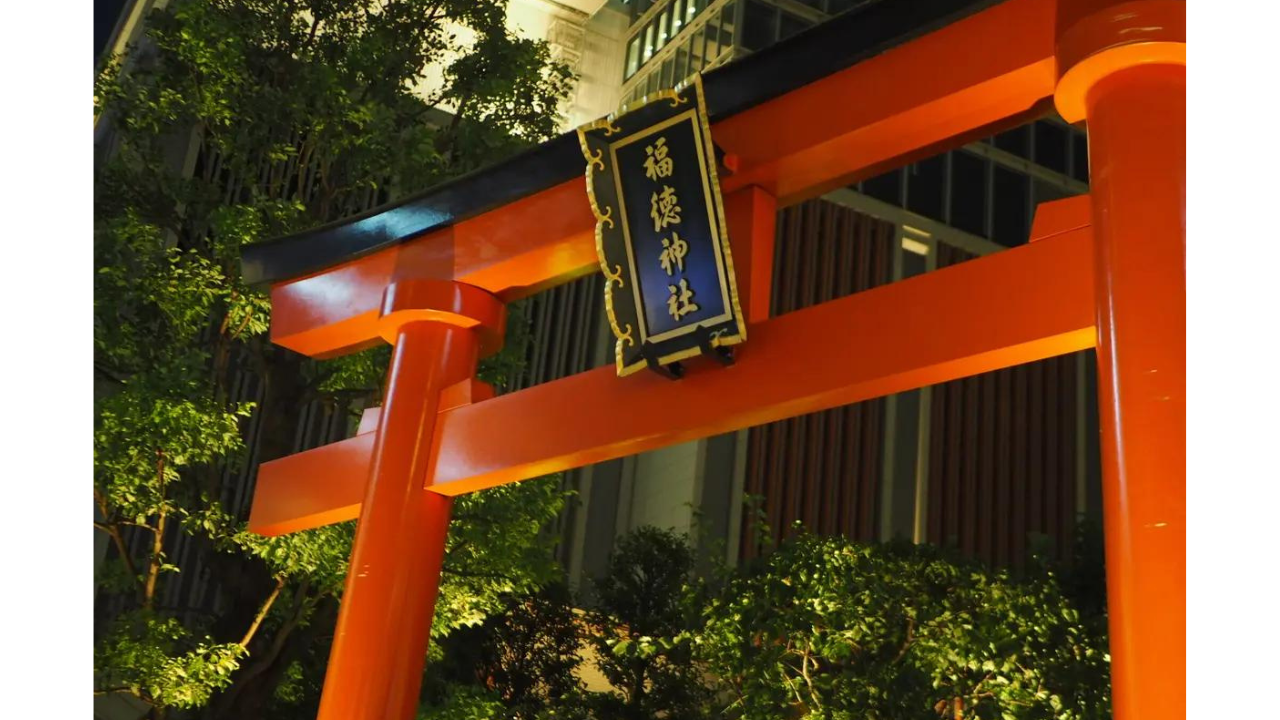
Fukutoku Shrine, also known as Mebuki Inari Shrine, dates back to around AD 860 and is dedicated to Inari, the Shinto deity associated with prosperity, agriculture and good fortune. Located in the heart of Tokyo’s Nihonbashi commercial district, the shrine has long been regarded as a place where people pray for luck.Its association with fortune stretches back to the late 16th century when Tokugawa Ieyasu, the founder of the Tokugawa shogunate, became one of its patrons. Historical records state that he granted the shrine the privilege of holding lotteries, helping establish its reputation as a place where wishes linked to luck could come true. Today, that centuries-old belief has found an unexpected new purpose among music fans.
Japan’s concert ticket lottery system has changed everything
Buying tickets to major concerts in Japan is very different from the process in many other countries. Rather than purchasing tickets the moment they go on sale, fans are often required to enter a lottery.Applicants submit their names during a designated entry period before winners are selected at random. Only those chosen receive the opportunity to purchase tickets. The system helps reduce website crashes and discourages ticket scalping, but it also means even the most devoted fans can miss out despite multiple attempts.With the odds often stacked against them, many concertgoers seek every possible advantage, including a visit to Fukutoku Shrine before lottery results are announced.

Ancient rituals meet modern fan culture
Visitors follow traditional Shinto customs before making their requests. They first cleanse their hands and mouths at the temizuya, the shrine’s purification fountain, before approaching the main hall.The customary ritual involves bowing twice, clapping twice to call the attention of the kami, offering a silent prayer and bowing once more. Many then purchase ema, small wooden prayer plaques that usually cost between 500 and 1,000 yen.Rather than writing prayers for wealth or success, fans often inscribe the names of their favourite artists, concert dates and hopes of winning specific ticket lotteries before hanging the ema alongside hundreds of similar wishes.
The meaning of ‘oshi’ explains the shrine’s popularity
The rise of Japanese idol culture has played a major role in transforming Fukutoku Shrine into a destination for music lovers.Japanese fans often use the word oshi to describe the performer or idol they support most passionately. Whether it is a member of a J-pop group, a K-pop star or another entertainer, fans invest significant time and money in supporting their oshi through albums, merchandise, fan clubs and live performances.For many, attending a concert is the ultimate way to show that support. When ticket lotteries stand between them and that experience, praying at the shrine becomes one more expression of dedication.
Fans pray for everyone from BTS to Japanese idols
A walk through the shrine’s ema display reveals just how diverse its visitors have become.Messages commonly mention internationally recognised artists such as BTS alongside popular Japanese acts including Snow Man, SixTONES, JO1 and other leading idol groups. Many plaques include detailed requests, asking not only to win a ticket but also to secure seats for particular dates or venues.The sight of wooden prayer plaques covered with artists’ names has become one of Fukutoku Shrine’s most distinctive features, reflecting the unique way ancient spirituality and modern entertainment have merged.
Concerts returned after the pandemic and so did the crowds
The shrine’s popularity surged after the COVID-19 pandemic disrupted live music events across Japan.When concerts finally resumed, fans eager to reunite with their favourite performers returned in large numbers. Local guides have recalled periods when the crowds became so large that nearby streets had to be managed because of the number of visitors gathering to pray before ticket lottery announcements.Since then, Fukutoku Shrine has continued attracting both domestic and international visitors curious about its unusual reputation.
Why praying for concert tickets fits within Shinto beliefs
Although praying for concert tickets may seem unconventional, it aligns comfortably with the flexible nature of Shinto.Unlike religions with rigid doctrines, Shinto encourages sincere expressions of gratitude and hope. Worshippers regularly pray for success in examinations, careers, business, relationships, travel and other personal goals.Religious scholars suggest that the act of prayer is not simply about receiving a desired outcome but also about finding peace of mind and strengthening one’s connection with the kami through respectful ritual.
An ancient shrine embracing a modern tradition
Surrounded by towering office buildings and busy shopping streets, Fukutoku Shrine offers a striking contrast between old and new Japan. More than 1,100 years after it was founded, the shrine continues to evolve alongside society, transforming from a place once associated with traditional lotteries into a symbol of hope for concertgoers chasing sold-out performances. Whether visitors leave with a winning ticket or simply a sense of optimism, Fukutoku Shrine remains one of Tokyo’s most unusual cultural landmarks, where centuries-old traditions continue to find new meaning in the modern world.