
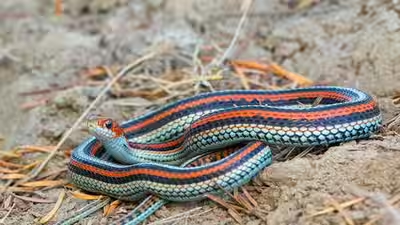
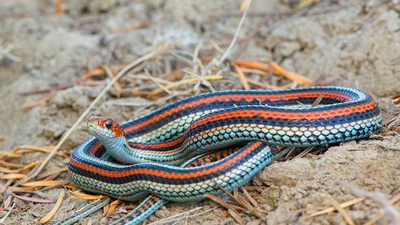
A conservation initiative involving the San Francisco Zoo, federal wildlife officials and regional land managers has resulted in the first successful release of zoo-raised San Francisco garter snakes into their natural habitat. According to an announcement by the San Francisco Zoo & Gardens on November 10, 2026, the programme has seen 62 young snakes return to the wild after being raised in captivity. The Midpeninsula Regional Open Space District and the US Fish and Wildlife Service have also highlighted the importance of the initiative in protecting the rare species. The project began in 2025, when biologists from the US Geological Survey collected pregnant female San Francisco garter snakes from a healthy wild population in a protected area managed by Midpen. The snakes were temporarily brought to the San Francisco Zoo, where they could give birth in a controlled environment.Once the young were born, the mothers were returned to their original habitat, while the zoo’s conservation team took responsibility for raising the newborns. The idea was to give the young snakes a better chance of surviving the early stages of life, when they are particularly vulnerable to predators and competition for food. This approach, known as head-starting, involves raising young wildlife in captivity until they reach a size at which their chances of surviving in the wild improve. It has been used in conservation programmes involving several threatened species, but this marks the first successful head-starting initiative for the San Francisco garter snake.
Genetic testing determined where the snakes would go
Before the 62 young snakes were released, each underwent genetic testing to help conservationists decide where it would have the greatest impact. Around one-third were returned to the areas from which their mothers had been collected. The remaining snakes were distributed among other populations that needed additional individuals and greater genetic diversity.The strategy is intended to strengthen existing populations without placing excessive pressure on the healthy population that supplied the original breeding females. The release took place at carefully selected locations across San Mateo County, California. Authorities have deliberately withheld the exact sites to protect the animals from illegal collection, road accidents and potential exposure to disease.Why the San Francisco garter snake needs protectionThe San Francisco garter snake (Thamnophis sirtalis tetrataenia) is a distinctive reptile found naturally only on the San Francisco Peninsula, primarily in San Mateo County and parts of northern Santa Cruz County. Recognisable by its striking combination of blue-green, black and red-orange markings, it is considered one of North America’s most visually distinctive snakes.However, its restricted geographical range has made the species particularly vulnerable. It was listed as endangered under the US Endangered Species Act on March 11, 1967, making it one of the earliest species to receive federal protection under the legislation. According to the US Fish and Wildlife Service, habitat destruction, fragmentation, drought, reduced food availability and illegal collection continue to threaten its survival.The snakes also depend on healthy wetland ecosystems and prey on California red-legged frogs, another threatened species. Conservationists have therefore been working on habitat restoration alongside the breeding programme, improving wetland conditions and helping reconnect isolated wildlife populations.
More than 130 baby snakes are being raised for the next release
The latest release is only the beginning of a longer recovery programme. The San Francisco Zoo has already welcomed more than 130 additional baby garter snakes in 2026. They are currently being raised in captivity, with another release planned for 2027.Scientists will also monitor the 62 released snakes to understand how well they adapt to their natural surroundings and whether the intervention helps strengthen existing populations. The long-term recovery target is to establish at least 10 viable, self-sustaining breeding populations, each containing a minimum of 200 snakes. Achieving this would help meet the conditions required for the species to be considered for removal from the federal endangered species list.For now, the successful return of 62 zoo-raised snakes marks an important development in a conservation effort that combines scientific research, genetic diversity and habitat protection to give one of California’s rarest reptiles a better chance of survival.