
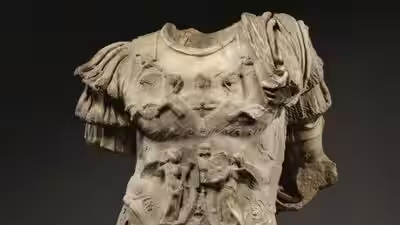
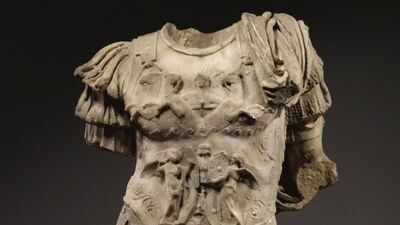
A headless marble torso of a Roman emperor, which sold for $7.36 million in 2010 and was subsequently displayed at several major museums across the United States, has fetched $34.26 million at an auction in New York. The nearly 2,000-year-old sculpture was offered at Sotheby’s Magnum Opus evening auction on October 21, 2026, achieving a price significantly higher than its previous sale and setting a record for a Roman antiquity sold at auction, according to Artnet News.Reportedly 5 collectors competed for the sculpture during bidding that reportedly lasted 14 minutes. This result surpassed the previous auction record for a Roman antiquity, highlighting the demand and how factors such as provenance, rarity, artistic attributes and historical significance can all together influence the price of an antiquity and the competition among prospective buyers.

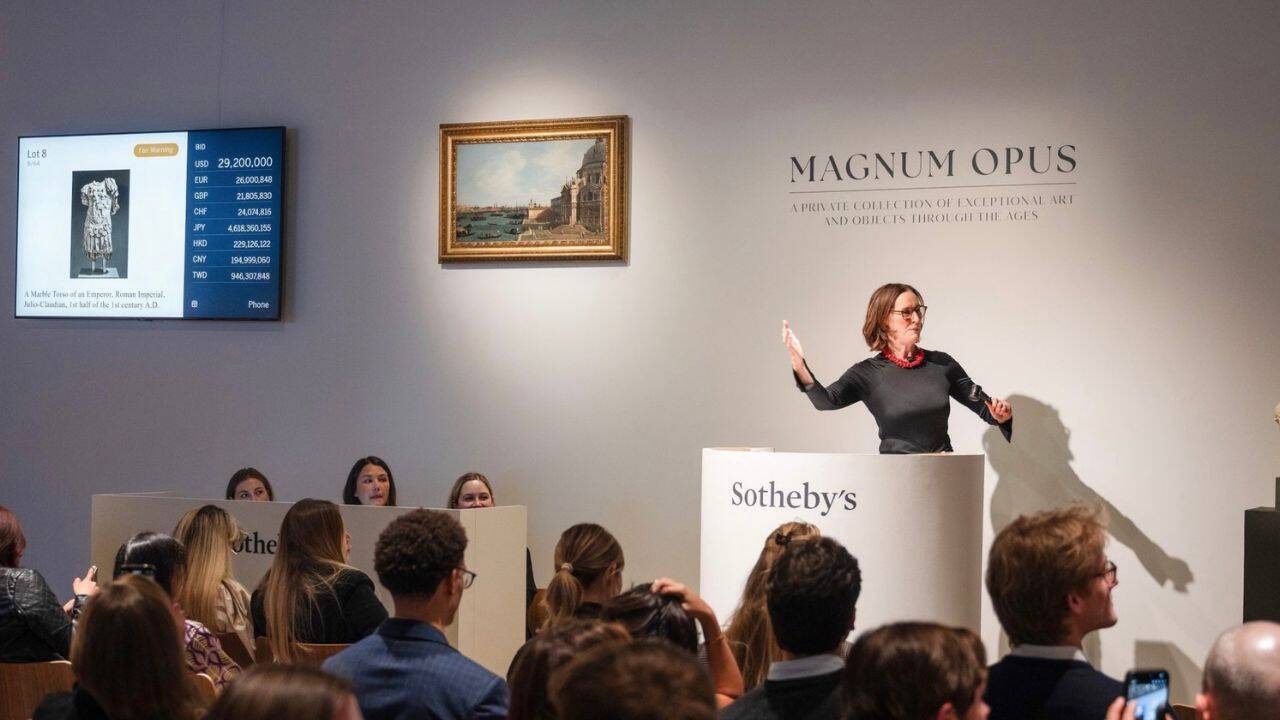
(Image courtesy: Sotheby’s)
The sale marks a substantial increase in the sculpture’s market value over 16 years, with its latest price nearly approaching 5 times the amount paid by the previous buyer. The sculpture has traversed a journey through private ownership and prominent museum exhibitions, garnering renewed attention.
What is the marble torso’s history?
According to Sotheby’s catalogue, the sculpture dates to the first half of the first century AD and belongs to the Julio-Claudian period of Roman history. Its precise identity remains uncertain, although it has been suggested that the figure could represent Augustus, Tiberius or Claudius, all three emperors associated with the early Roman Empire.
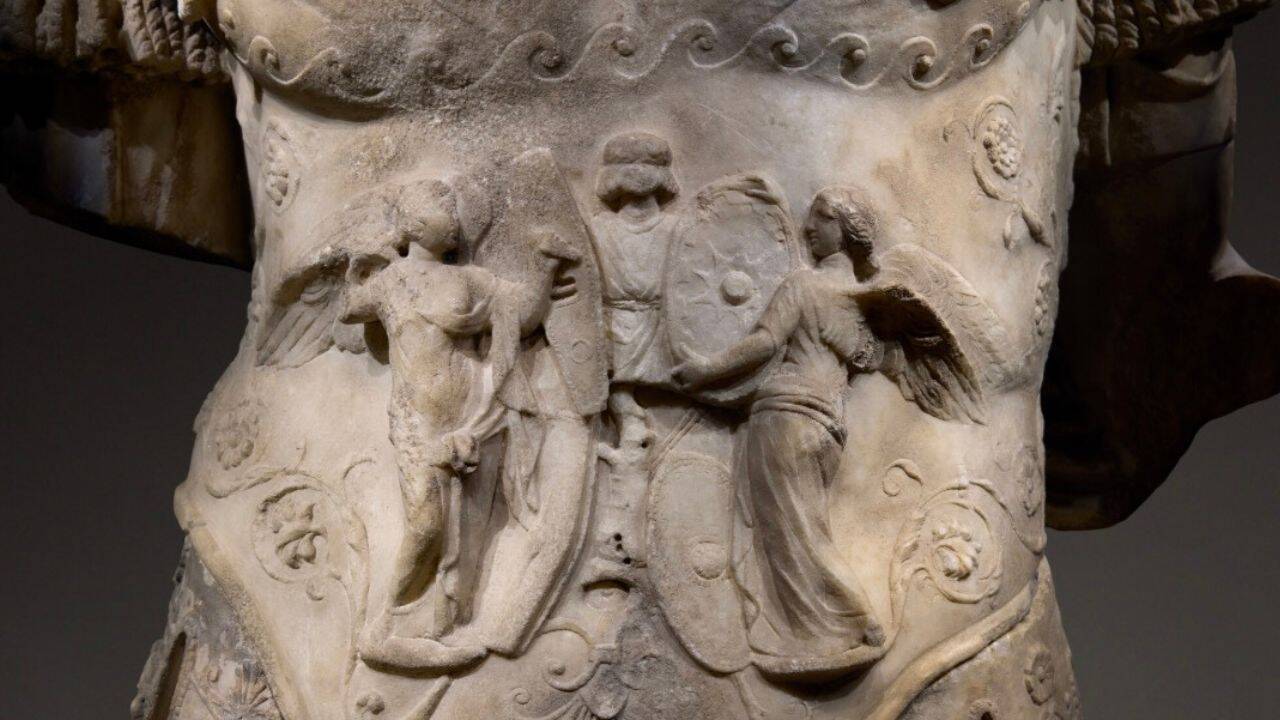
(Image courtesy: Sotheby’s)
The breastplate features a relief of Sol, the Roman sun god, emerging from the waters in a chariot drawn by four horses. Other decorative details include figures of Victory, shields, a trophy and floral motifs. Such imagery was commonly used in Roman imperial art to associate rulers with military achievement, divine favour and political authority.Furthermore, Sotheby’s has noted that the sculpture originated in Salona, an ancient Roman city in present day Croatia. Sotheby’s notes that it perhaps came from the vicinity of two temples near the northeastern corner of the city’s forum. While the marble itself is believed to have been sourced from the Greek island of Paros, which was renowned for its fine quality marble.
The sculpture’s journey through American museums
Following its 2010 sale, the marble torso was exhibited at some of the United States’ leading cultural institutions. It appeared at the Metropolitan Museum of Art in New York between 2011 and 2013, before being displayed at Yale University Art Gallery in New Haven from 2013 to 2015. The sculpture subsequently returned to the Metropolitan Museum of Art from 2015 to 2017 and was later exhibited at the J. Paul Getty Museum in Los Angeles between 2021 and 2024.
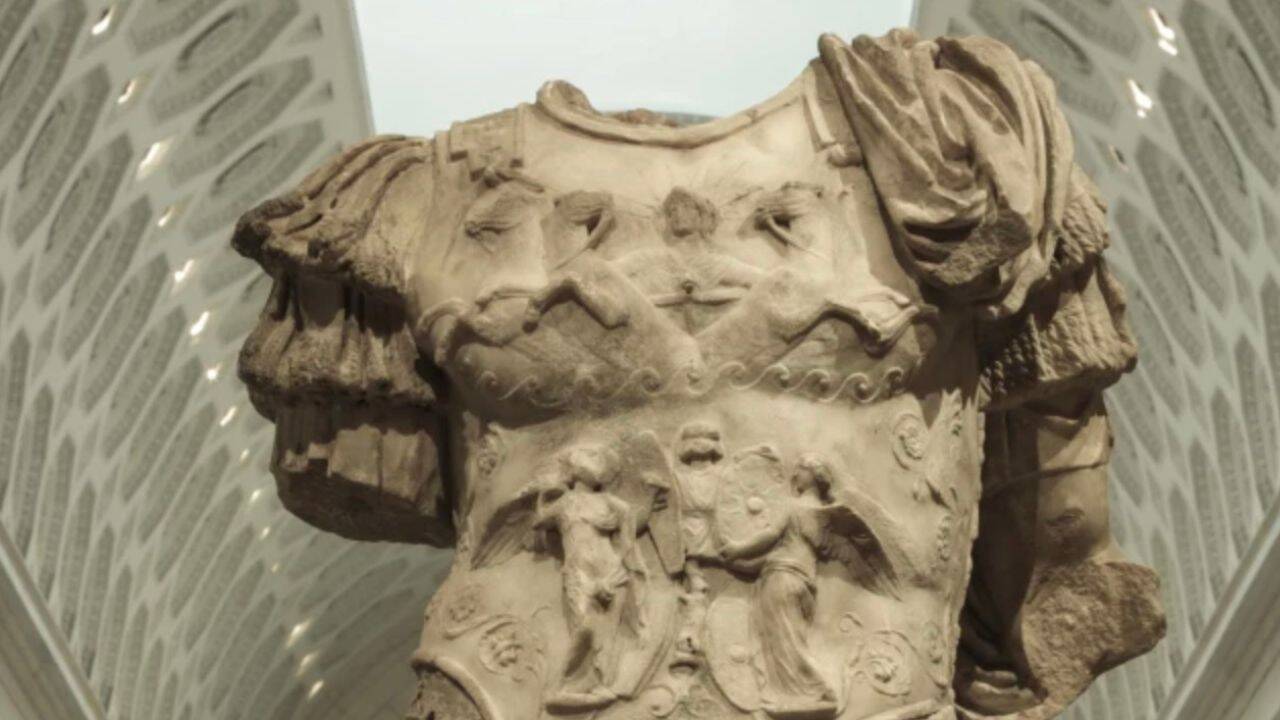
(Image courtesy: Sotheby’s)
These exhibitions placed the sculpture before museum audiences over several years, allowing visitors to encounter a work of Roman imperial art outside a private collection. Its appearances at these institutions also form a significant part of its more recent history, preceding its return to the international auction market in October 2026. Although the sculpture has lost its head, much of its intricate marble surface has been preserved. .
A record-breaking result at Sotheby’s
The torso’s October 2026 sale represents a considerable change from its previous appearance at auction in 2010, when it fetched $7.36 million. Its latest price of $34.26 million places it among the most valuable examples of ancient Roman sculpture sold on the international art market.The sculpture’s journey through museums and exhibitions to now its latest sale adds another chapter to its long history, taking it from the world of ancient Roman imperial art through private collections to a record breaking auction in New York.