
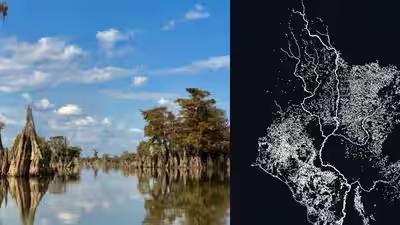
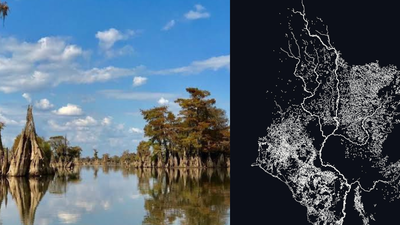
A forest does not always have to be left untouched to be protected. Sometimes, conservation is about finding a way to let nature and human activity coexist without one coming at the cost of the other. In Florida’s Apalachicola River Basin, conservation groups have taken a major step in that direction by permanently protecting thousands of acres of working forests and wetlands.

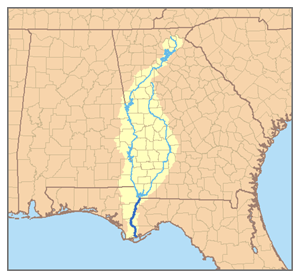
Apalachicola watershed (Wikimedia Commons)
According to a November 12 announcement by Ducks Unlimited, a North American Ngo dedicated to the conservation, restoration, and management of wetlands, the first phase of the project was completed in partnership with Aurora Sustainable Lands and The Conservation Fund, permanently protecting 22,461 acres in Florida’s Apalachicola River Basin. The larger initiative aims to conserve a total of 41,619 acres across five counties by 2030. The protected landscape includes cypress-tupelo wetlands and riverine bottomland hardwood forests, which play an important role in maintaining water quality, reducing flood risks and providing habitats for wildlife. The conservation easements will also allow the land to continue operating as a working forest while protecting it from future development.Emphasising the ecological importance of the region, Adam Putnam, CEO of Ducks Unlimited, said, “It would be difficult to overstate the importance of the Apalachicola River Basin to Florida and the Southeast.” He added that the project would eventually create a nearly continuous conservation corridor stretching from the Florida-Georgia border to Apalachicola Bay, benefiting wildlife and communities across the region.
How conservation easements are protecting Florida’s working forests and wetlands

Apalachicola River Basin (Image courtesy of Ducks Unlimited org)
Conservation easements are legal agreements that place permanent restrictions on how a piece of land can be used, helping protect its natural features from activities such as residential or commercial development. Unlike conventional land acquisition, where an organisation purchases land and may take over its management, conservation easements allow landowners to retain ownership while agreeing to protect the property’s ecological value.In the Apalachicola River Basin, this approach allows the protected areas to continue functioning as working forests while safeguarding their wetlands, waterways and wildlife habitats. The region is home to cypress-tupelo wetlands and bottomland hardwood forests, which help filter water, reduce flooding and support a wide variety of plant and animal species. Protecting these landscapes is particularly important because the basin forms part of an interconnected river system that eventually flows into Apalachicola Bay.The project also demonstrates how conservation does not necessarily have to come at the expense of responsible economic activity. By placing permanent conservation easements on the properties, the partner organisations aim to prevent future development while allowing compatible forest management practices to continue. This creates an opportunity to protect the ecological importance of the region while retaining the land’s role in supporting local economies and communities.
Why protecting the Apalachicola River Basin matters for wildlife and local communities

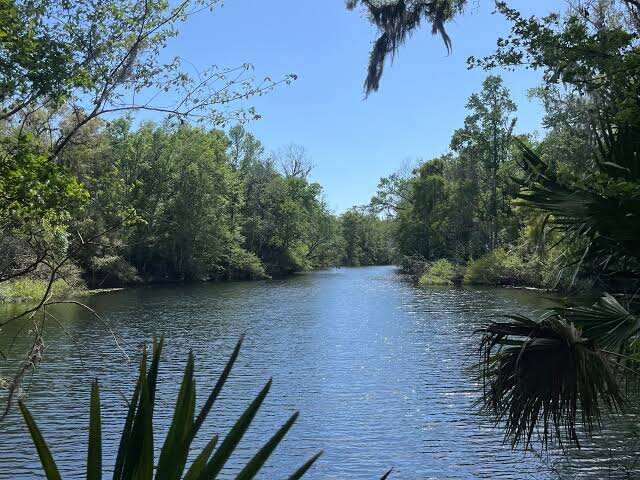
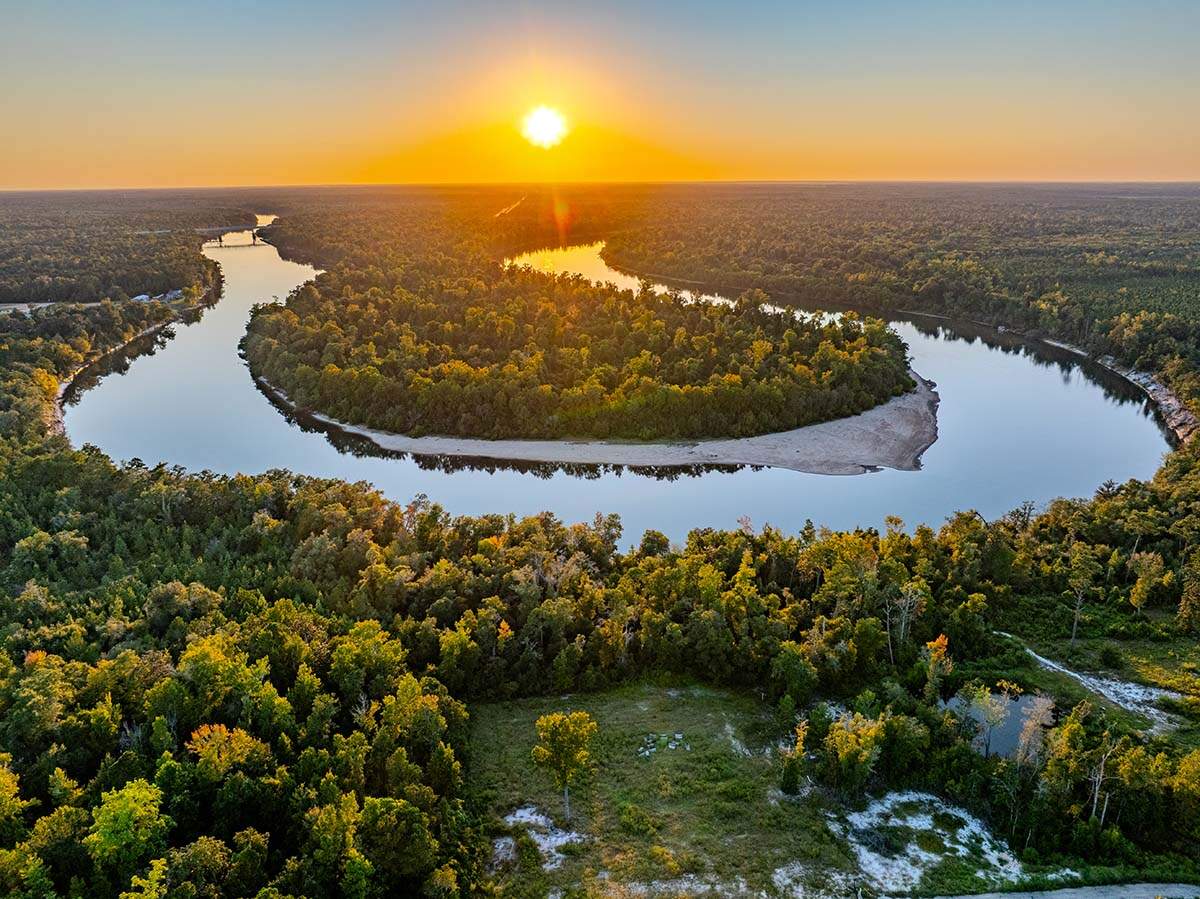
Apalachicola River (Wikimedia Commons)
The importance of protecting the Apalachicola River Basin extends far beyond its forests and wetlands. The region supports a rich variety of wildlife and plays an important role in sustaining Florida’s aquatic ecosystems. According to the Florida Fish and Wildlife Conservation Commission, the Apalachicola River and its surrounding habitats support more than 280 bird species, along with diverse fish and other wildlife populations. The area also provides habitats for rare and endangered species, including bald eagles and the Gulf sturgeon.The basin is equally important for the communities that depend on its natural resources. Its floodplain forests help absorb and filter water, reduce the impact of flooding and supply nutrients to Apalachicola Bay. These nutrients support the bay’s oyster fishery, which has historically been an important source of livelihood for local fishing communities. The surrounding waters also serve as a nursery for blue crabs and marine fish, supporting both commercial fishing and the wider coastal economy.The conservation project therefore aims to protect more than just stretches of forestland. By safeguarding wetlands, waterways and wildlife habitats while allowing responsible forest management to continue, the initiative seeks to preserve an interconnected ecosystem that supports both biodiversity and local livelihoods. Its long-term impact could extend across the basin, helping ensure that these natural resources remain available for future generations.The protection of the Apalachicola River Basin is a reminder that conservation is not always about keeping people away from nature, but about finding ways for both to coexist. By protecting thousands of acres of working forests and wetlands while allowing responsible land management to continue, the initiative offers a model of how ecological preservation and human livelihoods can go hand in hand. As the larger project moves towards its 2030 target, its success will be measured not only by the number of acres protected, but also by the forests, wildlife and communities that continue to depend on them. Sometimes, protecting nature is not about changing the way we use the land entirely, but about ensuring that we do not take away its ability to sustain life.