

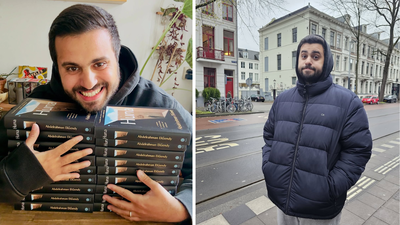
An Egyptian writer who spent more than six years in prison for his political activism has won one of America’s biggest literary honours. But Abdelrahman ElGendy could not attend the award ceremony in New York because US officials denied him a visitor visa. ElGendy won the 2026 National Book Award for Nonfiction for his memoir, Huna: A Memoir of Revolution, Prison, and Becoming. The award was announced on November 18 at the 77th National Book Awards ceremony at Cipriani Wall Street in New York.According to Los Angeles Times, ElGendy was absent because the US consular office denied his visitor visa application. He is now living in the United Kingdom after leaving the US in April 2025, fearing that he could be deported to Egypt, where he had previously spent more than six years as a political prisoner.His editor at Hogarth, Helen Thomaides, accepted the award on his behalf and read a statement from the writer. “If you’re listening to this, then a years-long dream of mine has come true, and I’m not there to live it with you,” ElGendy wrote.He recalled imagining, while in his prison cell in Egypt, that he would one day write a memoir about his experiences. He later began hoping that the book might win an award. The recognition came, but he could not be present to receive it.
A memoir shaped by revolution and imprisonment

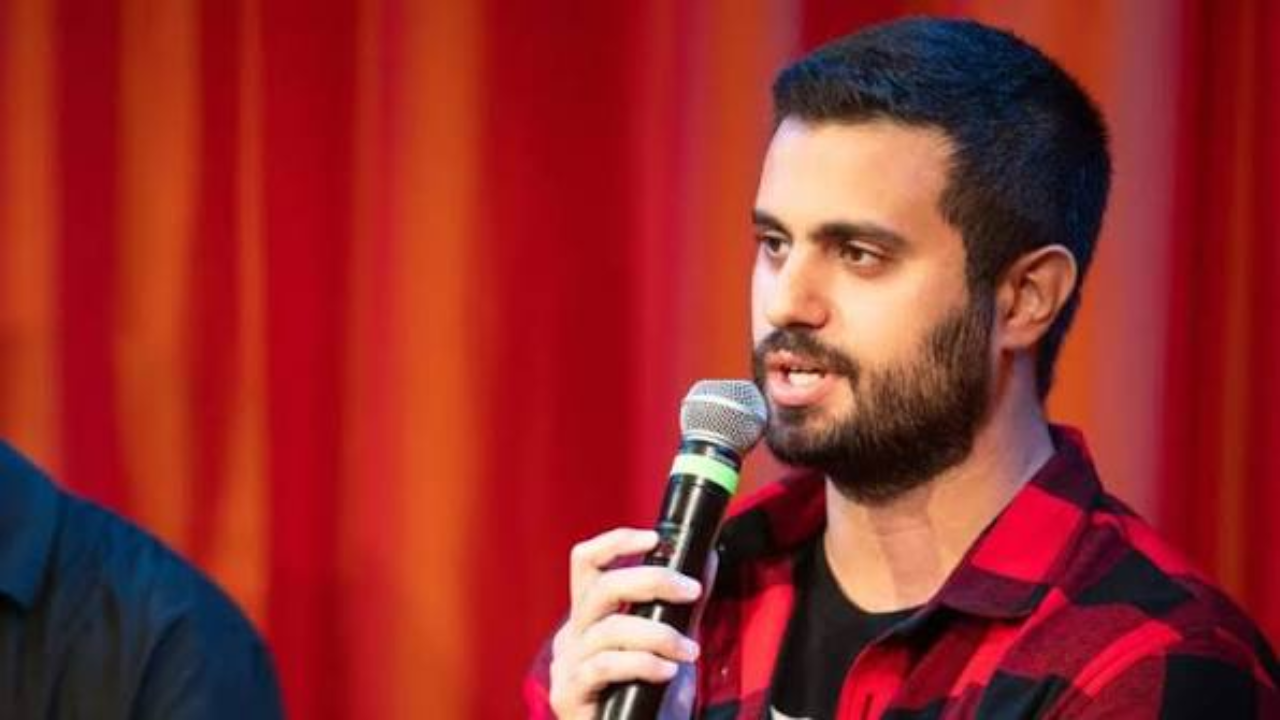
ElGendy’s editor at Hogarth, Helen Thomaides, accepted the award on his behalf.
Huna: A Memoir of Revolution, Prison, and Becoming recounts ElGendy’s experiences as a political prisoner in Egypt following the country’s 2011 revolution. The book explores his imprisonment, personal relationships, family and efforts to rebuild his life.The National Book Foundation’s judges described the memoir as a story of survival and resistance. Their citation called it a “lyric testament to survival and resistance” and highlighted the book’s account of a father-son relationship built around love, endurance and hope. The book’s title draws inspiration from the Arab protest song ‘Sawfa Nabqua Huna,’ which translates as “We Will Remain Here”.In his acceptance statement, ElGendy dedicated the award to people affected by political imprisonment and displacement. He specifically mentioned Palestinians, political prisoners in Egypt and people who have disappeared into US immigration detention.He wrote that he wanted to redirect attention to “the more than 60,000 political prisoners still behind the bars of Egypt’s military dictatorship bankrolled by the U.S. government”. He also referred to “the tens of thousands of souls disappeared in ICE concentration camps”. These were ElGendy’s words in his acceptance statement, read at the ceremony by Thomaides.
Visa denial became part of the award-night story
The visa issue had already attracted attention before the ceremony. In an essay for The New Yorker, ElGendy had explained that he could not obtain permission to travel to the US for the event.His absence also became part of the discussion around the 2026 awards. According to Publishers Weekly, Thomaides said the author was “not able to return even as a celebrated visitor and it’s ultimately our loss as a nation”.There was also a separate debate about whether ElGendy met the National Book Award’s US residency requirement. As per a New York Times report, his eligibility was questioned because he had left the country. The National Book Foundation defended its decision, explaining that his publisher had confirmed he was a legal and tax-paying US resident who temporarily left in 2025 because he feared for his safety amid immigration arrests.The foundation said it had determined that the information provided met its eligibility rules. The awards had expanded eligibility to non-US citizens in 2024, according to Publishers Weekly.