
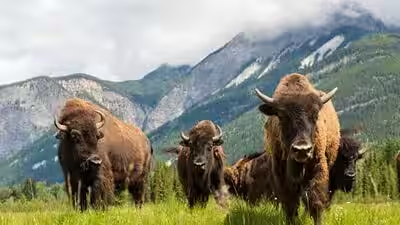
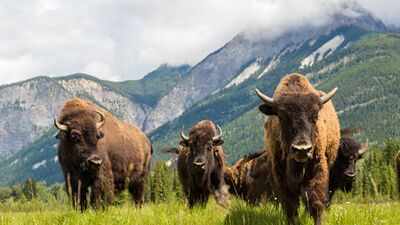
After being absent from the grounds for approximately 160 years, the American bison has made a grand comeback to the landscapes of Coahuila, Mexico. According to a report by AS, the reintroduction of dozens of bison in part of the Chihuahuan Desert is positively impacting the surrounding ecosystem in numerous ways, said the body that is the driving force behind the initiative. The effort, spearheaded by the Fundación Pro Cuatro Ciénegas, represents far more than a symbolic gesture; it is a calculated strategy to heal a devastated ecosystem.In 2025, nearly 50 bison were brought to Cuatrociénegas, a UNESCO-recognized nature reserve in Mexico’s Coahuila state. Renowned for its gypsum dunes and its bright-blue pools of water, the 400,000-hectare habitat is home to several hundred plant and animal species – including multiple flora and fauna that are “critically vulnerable or endangered”, UNESCO warns.
A fundamental species

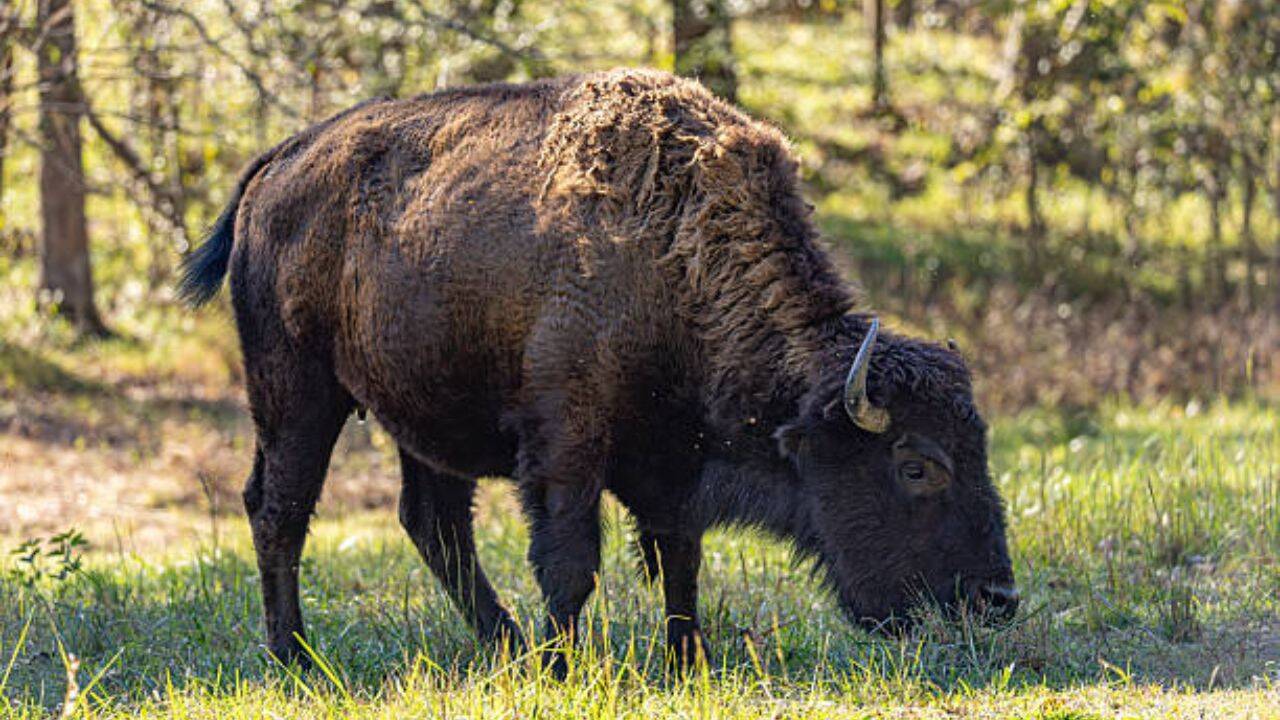
In Mexico, American bison lived in the states of Sonora, Chihuahua, Coahuila, Nuevo León, and Durango
The bison’s introduction to the protected area run by the foundation is helping to “reactivate the dynamics and the health of an ecosystem,” said Gerardo Ruiz Smith, the Fundación’s director. “It offers you so much hope,” he told the Mexican media outlet Vanguardia, to see the impact of “simply bringing back a fundamental species that was there before and should be there”.The American bison is the largest land mammal on the continent and was present in the plains of Canada, the United States, and Mexico. In Mexico, American bison lived in the states of Sonora, Chihuahua, Coahuila, Nuevo León, and Durango. The bison’s original disappearance from the Coahuilan desert was the immediate result of human impact in the late 19th and 20th centuries. A combination of excessive hunting, agricultural expansion, cattle ranching and habitat loss conspired to erase the keystone species from the region. Their absence not only left a void in the animal kingdom but also in the ecological fabric, disrupting natural processes that had evolved over millennia.
Back to base
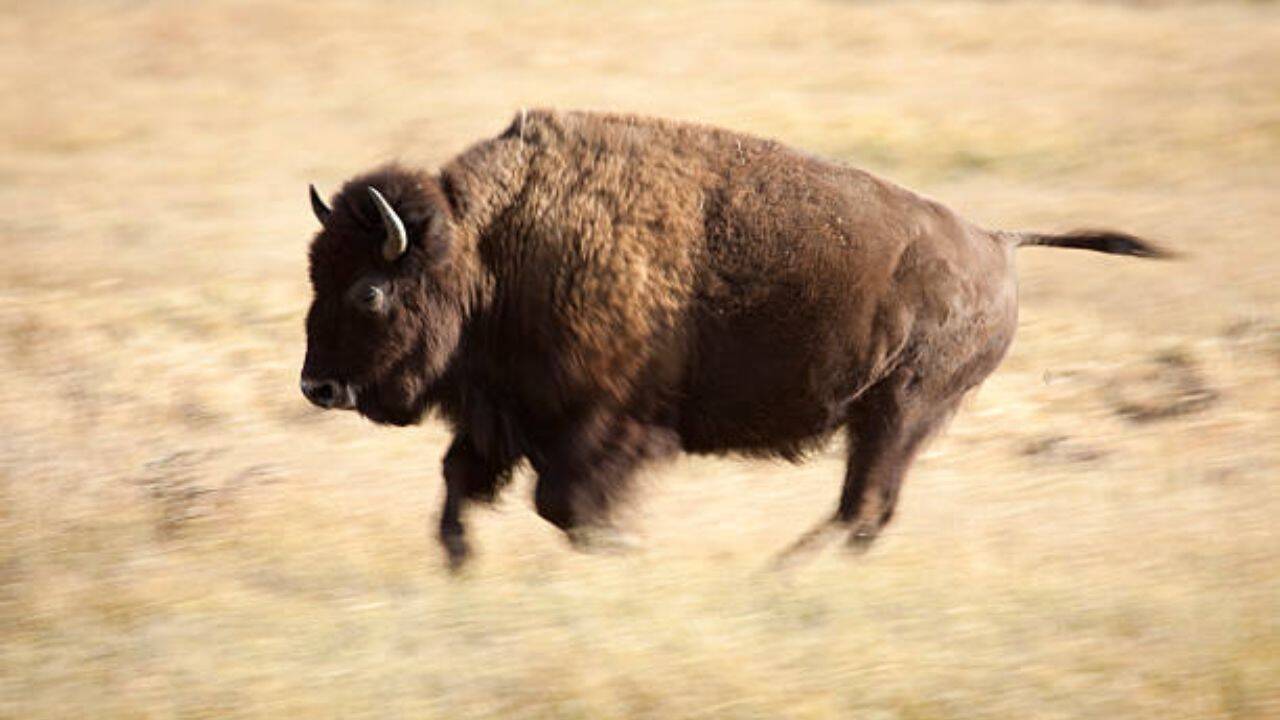
Weighing up to 1,700 pounds, their grazing promotes plant regrowth and diversification, while the trampling of their hooves helps work seeds into the soil and breaks up hard crusts, improving water infiltration during rare desert rains.
The bovines returned to the region in August 2025, when three bison were introduced in El Santuario, in a collaboration between the Fundación Pro Cuatrociénegas and Coahuila’s Museo del Desierto. In November, the Fundación then announced the introduction of 44 more bison-38 females and 6 males-in a multi-group effort that also involved the Mexican Fund for the Conservation of Nature.As Gerardo Ruiz, director of the foundation, explained, the “El Santuario” reserve itself is a site in recovery, a former cattle ranch degraded by overgrazing, erosion, and desertification. The bison are now seen as “biological tools” to reverse this damage, using the impact of their hooves, their nutrient-rich dung, and their natural grazing patterns to regenerate the grassland.“After [bison] were hunted to the point of extinction in this area around 200 years ago, the return of a key species to the region of Cuatrociénegas is a historic moment,” Ruiz Smith wrote on social media at the time. In a subsequent post, he added: “This event represents much more than the reintroduction of an emblematic animal: the bison is a true ecosystem engineer, capable of regenerating soils, improving water infiltration, reducing wildfire risk and strengthening the biodiversity of the Chihuahuan Desert.”The bison is rightly termed a keystone species or “ecosystem engineer.” Their natural behaviours have cascading benefits for grassland health, which are particularly crucial in an arid environment like Cuatro Cienegas. Weighing up to 1,700 pounds, their grazing promotes plant regrowth and diversification, while the trampling of their hooves helps work seeds into the soil and breaks up hard crusts, improving water infiltration during rare desert rains.Ruiz Smith also noted that the bison’s manure is aiding the fertility of the Cuatrociénegas soil, by attracting dung beetles. As explained by biology experts in the MDPI academic journal, dung beetles improve the nutrient content of soil by burying the excrement they encounter. In addition, their burrowing plays a key role in aerating the subsurface.Moreover, by consuming dry grass, they reduce the accumulation of flammable material, mitigating wildfire risk. In addition, bison act as inadvertent spreaders of plant seeds, Ruiz Smith told Vanguardia. This happens because seeds can become entangled in the animals’ fur, before being shaken loose as the bison move around. Most importantly, their return completes the broken food chain in the area, creating conditions for native predators like the black bear and puma to thrive, thereby restoring the balance.The hidden cameras in the area have captured the return of previously absent animals in the region, such as pumas, lynxes and the collared peccary, Smith added. What’s more, local bird species have been seen using the bison’s fur to build nests. “[Bison] are landscape architects,” Ruiz Smith concluded, telling CNN: “They set about moulding and regenerating their surroundings.”This project in Coahuila connects to a significant, growing movement to restore bison across North America. The herd is the third conservation herd established in Mexico, following pioneering efforts like the one at the Janos Biosphere Reserve in Chihuahua, the source of most of these new bison. These initiatives focus on creating herds that function as wild components of their native ecosystems, part of a continental shift toward restorative conservation
Not just bison
The reintroduction of bison to Coahuila is part of a larger movement in Mexico to restore key species to their native habitats. Across the country, similar projects are working to heal ecosystems by bringing back animals that have disappeared.For instance, the endangered Mexican wolf is being carefully released into the forests of the Sierra Madre Occidental to restore its role as a top predator. In the Sonoran Desert, the rare Sonoran pronghorn has been brought back from the brink through captive breeding and release programs in the El Pinacate reserve.Meanwhile, in the rainforests of the Yucatán Peninsula and Veracruz, the vibrant scarlet macaw has made a dramatic return, where it now helps regenerate the forest by dispersing seeds. Like the bison in the desert, each of these species plays a unique and critical part in maintaining the health and balance of their environment.