
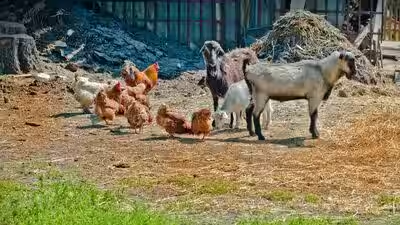
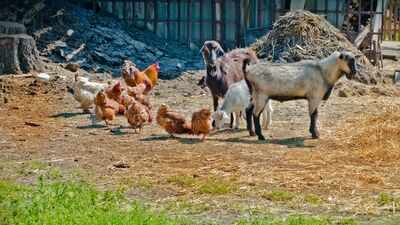
A long-running dispute over animals, fences and property rules on a 14-acre Texas homestead has ended, at least for now, with a win for the landowner. Pamela Bosco, who kept emus, ostriches, goats and about 30 chickens on her Hays County property, faced a broad legal demand from neighbours seeking access to inspect her land. The Texas Supreme Court has now blocked that demand, ruling that the neighbours did not show a clear legal right to enter and inspect the property. The decision, published in the court’s case record for In re Pamela Bosco, narrows how far neighbours can go when they allege violations of private property restrictions, as per Justia U.S. Law:
The homestead at the centre
Bosco’s property was more than a typical residential plot. It was a working homestead of roughly 14 acres, where she raised large flightless birds as well as goats and dozens of chickens. Her neighbours, however, argued that the animals and related activities conflicted with the restrictions governing their subdivision.The disagreement escalated beyond an ordinary neighbourhood complaint. The neighbours sought court-ordered access to Bosco’s land so they could inspect it and gather evidence for their claims. Bosco resisted, arguing that allowing such an inspection would intrude on her property rights without a sufficient legal basis. The dispute eventually reached Texas’s highest civil court.

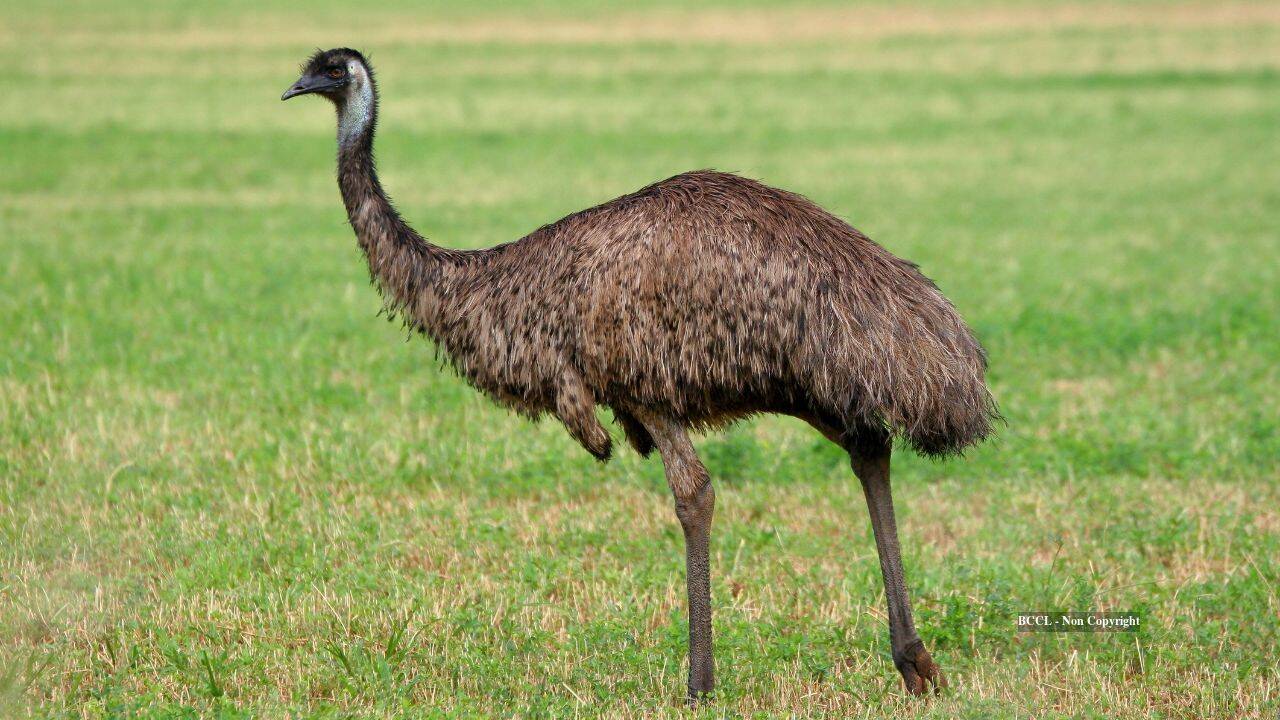
Emu (Representative image)
What the neighbours wanted
The core issue was discovery, the legal process by which parties obtain information before a trial. The neighbours wanted an order allowing them to enter Bosco’s property to inspect conditions relevant to their allegations. In effect, they sought a broad right of access to land that Bosco owned and occupied.Bosco asked the Texas Supreme Court to stop that inspection order. Her position was that the neighbours had not established that they were entitled to enter her property, particularly when their underlying claims and the scope of the proposed inspection remained disputed. The court agreed that the demand was too expansive to stand as issued.
The Supreme Court’s decision

Court (Representative image)
The Texas Supreme Court granted Bosco’s request for relief and blocked the neighbours’ broad inspection demand. The court’s reasoning turned on the principle that a party cannot use discovery to obtain access to private property without first showing a proper legal basis for that access.In practical terms, the ruling does not necessarily decide whether Bosco’s animals or homestead activities violate the subdivision’s restrictions. Instead, it decides that the neighbours cannot compel a wide-ranging physical inspection of her land simply by asserting that such an inspection might support their case. They must pursue their claims through the ordinary legal process and meet the required standards before seeking intrusive access.
Why the case matters
The decision is significant for rural and semi-rural landowners across Texas, where homesteads often sit near newer residential developments and where neighbours may disagree about noise, animals, fencing, drainage or the character of a neighbourhood. Property restrictions can be enforceable, but the Texas Supreme Court’s ruling makes clear that enforcing them does not automatically give neighbouring owners a licence to enter someone else’s land.It also highlights the difference between alleging a violation and proving one. A neighbour may believe that emus, ostriches, goats or chickens breach a deed restriction, but the courts require evidence gathered through lawful means. The ruling signals that inspection of private property is an exceptional remedy, not a routine tool for gathering leverage in a neighbourhood dispute.
A feud with wider lessons
For Bosco, the ruling preserves her ability to continue using her homestead while the underlying dispute is resolved through proper legal channels. For her neighbours, it means their case cannot rely on a sweeping inspection order unless they satisfy the court that such access is justified. The Texas Supreme Court’s decision therefore draws a boundary between legitimate enforcement of property restrictions and an overbroad intrusion into private land.The case is also a reminder that rural living can involve legal friction as communities change. A 14-acre property with exotic birds, goats and poultry may be entirely ordinary to one owner and incompatible with another’s expectations. But Texas’s highest court has made clear that resolving those tensions must begin with respect for property rights and adherence to legal procedure, not with unrestricted access to a neighbour’s land.