
An artwork that changed hands for little more than £500 at a regional British auction has turned into an extraordinary discovery in the art world. The painting, initially believed to be the work of an artist associated with 18th-century painter Julius Caesar Ibbetson, was later identified as an early landscape by renowned British artist JMW Turner. Titled The Rising Squall, Hot Wells, from St Vincent’s Rock, Bristol, the painting was eventually sold for approximately £1.9 million at Sotheby’s in London in July 2025, after its attribution to Turner was established. The discovery was reported by The Guardian, The Art Newspaper and Artnet News, which followed the painting’s journey from an overlooked auction lot to a major Old Master sale.
A forgotten painting that resurfaced at a local auction
The story began in April 2024, when the painting appeared at Dreweatts auction house in Newbury, England. It was catalogued as House by the Water in a Stormy Sky and attributed to a follower of Julius Caesar Ibbetson, rather than Turner himself. With no confirmed connection to a celebrated artist, the landscape attracted relatively little attention and sold for just £524.80, including fees.However, the buyer suspected that the painting might have been created by another artist, Philip James de Loutherbourg. During subsequent cleaning and restoration work, a signature reading W Turner was uncovered in the lower-left corner of the canvas. The discovery prompted further investigation into the painting’s origins. Experts established its connection to Turner, with leading scholars supporting the attribution. What had appeared to be an ordinary 18th-century landscape was now recognised as an important early work by one of Britain’s most celebrated painters.
A rare glimpse into Turner’s early artistic career
The painting dates to around 1792, when Turner was just 17 years old. It depicts Hot Wells House, a former spa building near Bristol, positioned beside the River Avon against a dramatic landscape of turbulent water and approaching storm clouds.Its significance extends beyond its rediscovery. The work was Turner’s first oil painting to be exhibited publicly, appearing at the Royal Academy in London in 1793, when the young artist was beginning to establish himself. Art historians have also noted the unusual way Turner approached the medium at this early stage. His use of delicate, translucent layers of oil paint gave parts of the composition a quality more commonly associated with watercolour.The landscape is particularly valuable because it offers an insight into the techniques and artistic ambitions that would later define Turner’s celebrated treatment of light, weather and atmosphere.
From a £500 purchase to a multimillion-pound auction
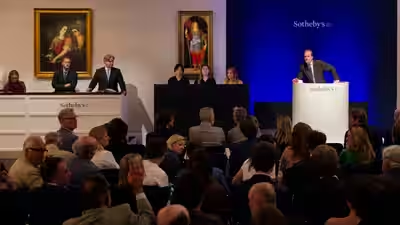
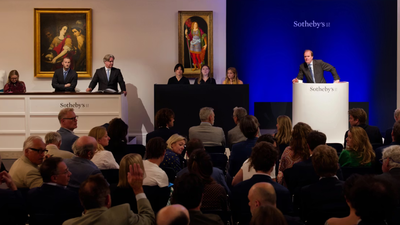
After the discovery, the painting was prepared for a much higher-profile appearance at Sotheby’s Old Master and 19th Century Paintings evening sale in London on July 2, 2025. Ahead of the auction, it was estimated to fetch between £200,000 and £300,000. However, interest from collectors pushed the final price far beyond expectations.The painting sold for £1.5 million before auction fees, taking the final price to approximately £1.9 million. A private collector from the United Kingdom eventually secured the artwork after competition between multiple bidders. The result was particularly striking considering that the same painting had sold for just over £500 approximately 15 months earlier.
Bristol makes an unsuccessful attempt to bring the painting home
The auction also attracted considerable interest from Bristol, the city depicted in Turner’s landscape. Bristol Museum and Art Gallery launched a public fundraising campaign called Bring Turner Home, hoping to acquire the painting and make it accessible to visitors. The appeal received more than £100,000 from over 1,700 contributors, allowing the museum to participate in the bidding. However, its offer was eventually surpassed by the winning private collector. Following the sale, the museum explored the possibility of securing the painting on loan so that it could still be displayed in the city connected to its subject. The painting’s rediscovery also brought renewed attention to Turner’s early connection with Bristol and the role the city played in his artistic development.What makes the story remarkable is not simply the difference between its two auction prices. It is the fact that a painting overlooked for generations, and misidentified when it finally resurfaced, turned out to be an important piece of British art history. A routine cleaning helped reveal its true identity, bringing a long-forgotten work from a private collection back into the public conversation.