
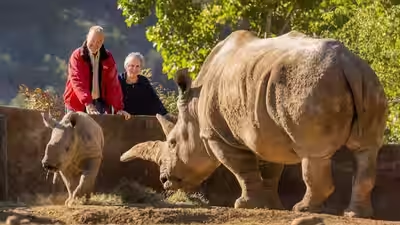
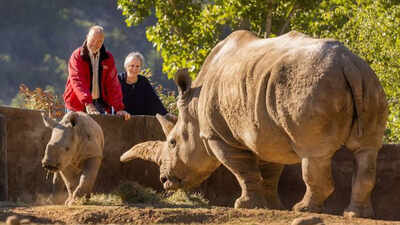
Giraffes graze in the open grasslands in the hills of Sonoma County. Rhinos pad around their enclosures. Flamingos add a splash of color to the scenery. For over thirty years, Safari West has been bringing a taste of the African wilderness to California. But behind the popular wildlife attraction is the story of one man’s passion for exotic animals, a family’s dedication to conservation and one nite when everything they had built almost came to be lost. Now the 400-acre preserve is set for another transformation, from private to nonprofit stewardship, to secure its future.
Fascination was turned into a life mission
According to Visit California, the Safari West story starts in the 1970’s when Peter Lang, owner of a cattle ranch in Beverly Hills, became interested in exotic animals. In the 1980s he bought a former cattle ranch in Sonoma County to enlarge his private collection of animals. With his wife, the zoologist Nancy Lang, he began to make better use of the property, setting up a captive breeding program with the main goal of conservation. In 1993 the preserve opened to the public and was nicknamed the “Sonoma Serengeti.” Today it is home to more than 900 animals including giraffes, rhinoceroses, cheetahs, zebras, lemurs, monkeys and flamingos, according to KRON4 News.
The whole nite was at stake
The preserve’s commitment to its animals was tested during the Tubbs Fire in October 2017. Wildfires swept through Sonoma County and Lang evacuated his wife, guests and staff. But he lingered behind. The then 77-year-old spent the nite wandering around the property with garden hoses and shovels to battle fires caused by flying embers, Visit California says. He also moved animals between pens and took flammable materials out of the way so the flames would not spread.The four houses in the Lang family compound were destroyed, but Safari West suffered little damage. Several fences, vehicles, smaller buildings and old oak trees were damaged but no animals were injured. The preserve reopened Nov. 20, 2017, after the threat was no longer imminent.
The next chapter for Safari West
Almost ten years later, the preserve is at a new crossroads. As KRON4 News reported, Safari West will convert from a 35-year-old privately held business to a California nonprofit public benefit corporation. The change is intended to increase work on research, education and conservation, while allowing the property to remain open to visitors. The safari tours, tent accommodation overnight stay and wildlife education programs are expected to continue under the same leadership and dedicated team. A state employment filing says 134 employees will be laid off, but they’re expected to be hired back under the new nonprofit structure.
Continuing the legacy
Much of what you’ll see at Safari West is not new to visitors. Large room. The open-air Jeep tours will continue to roam the expansive property where guests will encounter animals roaming its grasslands and wooded habitats. Overnight guests will also get to experience the preserve, from safari-style tent cabins.The nonprofit ownership model provides Safari West a new structure to continue the work that Peter and Nancy Lang began decades ago. What was once a private obsession with exotic wildlife is now a conservation destination, and the next chapter is all about ensuring that legacy continues beyond its founders.Image Courtesy: John Burgess / The Press Democrat