
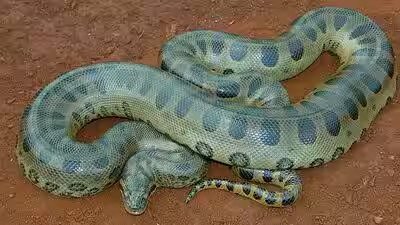
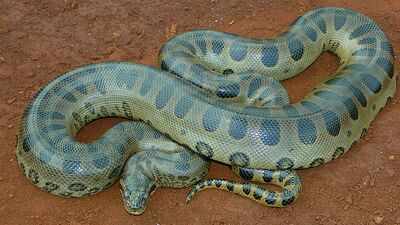
Green anacondas can remain difficult to spot in the western Amazon, even when they weigh 100 kg. A study of the snakes in Peru found that they were usually visible only when basking. When they were not basking, radio-tracked anacondas were almost always partly or completely concealed by fallen logs, leaf matter, submerged vegetation, fallen palm trunks, or riverbanks. Researchers recorded 180 observations of at least 50 individual Green Anacondas in the Madre de Dios region. Four adults were fitted with radio transmitters and tracked across rivers, streams, oxbow lakes, and aguajales.According to the study published in the Journal of Natural History titled ‘Habitat use of cryptic Green Anaconda (Eunectes murinus) in the western Amazon’, the snakes’ hidden behaviour can affect efforts to detect them and assess their presence in Amazon rainforest habitats and population trends.
What habitats did Green Anacondas use for shelter and basking
The study found that Green Anacondas were difficult to detect unless they were basking. Only 17.7% of the radiolocations of tagged individuals involved snakes that researchers could observe without disturbance. At other locations, the researchers had to disturb the snakes to determine their location. When not basking, the radio-tracked anacondas were almost always partly or entirely concealed.They hid among fallen logs, detritus and submerged vegetation, inside fallen Mauritia flexuosa trunks, beneath undercut banks and, on one occasion, inside a burrow of unknown origin. On rivers, log jams appeared to be the preferred basking habitat. In oxbow lakes and aguajales, the snakes basked on fixed or free-floating vegetation mats, while well-vegetated embankments were also used as basking sites by snakes.

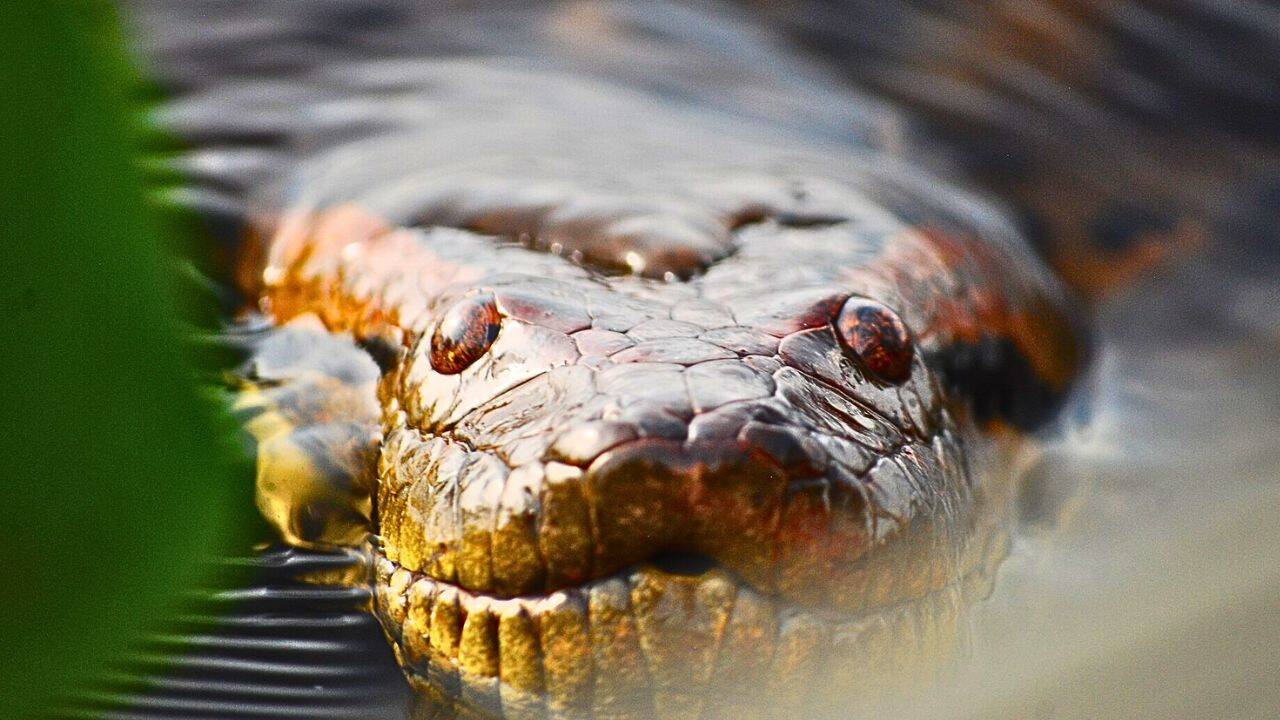
PC: Wikipedia
Green Anacondas were recorded across diverse habitats in Peru
Researchers combined opportunistic sampling, intensive surveys, and radio telemetry tracking in the Madre de Dios region of Peru. Sampling took place between 2008 and 2020 across primary and disturbed lowland humid tropical rainforests. The team recorded Green Anacondas in rivers, oxbow lakes, aguajales and streams, with observations also made in rural communities, urbanised zones, river ports and agricultural areas.Most records came from protected areas or privately protected conservation and ecotourism concessions. Among the 166 records with forest type information, 91.6% were associated with floodplain forests, while 8.4% were recorded on terra firma. In those terra firma locations, the snakes were on or next to river and stream embankments.
Green Anacondas used logs and floating vegetation for basking
In rivers, Green Anacondas initially observed by researchers were basking or had recently been killed by people. Basking snakes were found on top of or intertwined in log piles and under overhanging vegetation. In aguajales and associated lakes, individuals were commonly found basking on floating vegetation mats or heavily vegetated embankments.Some were seen facing the shoreline with their heads barely breaking the water surface. In surrounding flooded aguajales, snakes moved through dense vegetation while remaining partly in water or completely within decaying vegetation.In permanent oxbow lakes, all nine initially found anacondas were basking on floating grass mat vegetation. Temporary oxbow lakes were used when filled with water, with a tracked snake hidden by emergent vegetation, detritus, or logs nearby.
How did researchers locate hidden Green Anacondas
One radio-tracked female weighed 100 kg and measured 486 cm in snout-to-vent length, with a 77 cm tail. During June and July, she was located in the closed-canopy aguajal in 63.3% of records, while other records placed her on grass mats in open water. Another tracked male was nearly invisible in shallow pools beneath dense vegetation in temporarily flooded forest.On one occasion, researchers found him buried by leaf matter and shallow water, with only his nares exposed. In streams, the same male was only partially visible in 8.3% of records and was otherwise hidden in log jams, embedded trees, or stream banks.