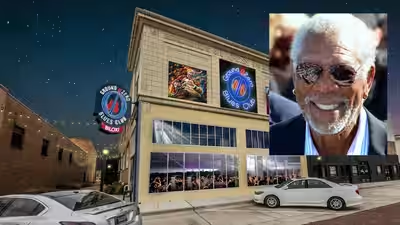
On Howard Avenue in downtown Biloxi, Mississippi, a building that once housed a department store now echoes with blues guitars, clinking glasses and the murmur of diners settling in for an evening. Ground Zero Blues Club opened here in February 2022, with actor Morgan Freeman among its co-owners. The venue has since expanded into a 20,000-square-foot destination for live music, Southern cooking and private events. Its production manager told the Sun Herald in July 2026 that the club hosts as many as 400 performances a year. The venue has become part of a wider effort to revive Biloxi’s historic commercial district, where vacant storefronts once reflected years of economic decline.
How Morgan Freeman helped give Biloxi’s historic Kress Building a second life
The building at 814 Howard Avenue was constructed for the S.H. Kress department store in the 1920s. Its brick exterior and decorative façade reflect an era when downtown streets served as important centres of shopping and social life. The Mississippi Department of Archives and History identifies the property as a contributing building in the Biloxi Downtown National Register Historic District. Its records document a fire in November 1942, after which the building was repaired and returned to commercial use.The property later became an entertainment venue known as Kress Live. It operated for roughly two years before closing in 2016, leaving the building without an established business. When Ground Zero moved in, its owners adapted the historic commercial space for live performances, dining and social gatherings while retaining its architectural character.Ground Zero opened in February 2022 following months of renovation. Its design drew inspiration from the original Ground Zero Blues Club in Clarksdale, Mississippi, incorporating concert posters, musical instruments and memorabilia. The renovated space gave the building a new identity while preserving its connection to Biloxi’s commercial history.
Morgan Freeman’s long relationship with the blues
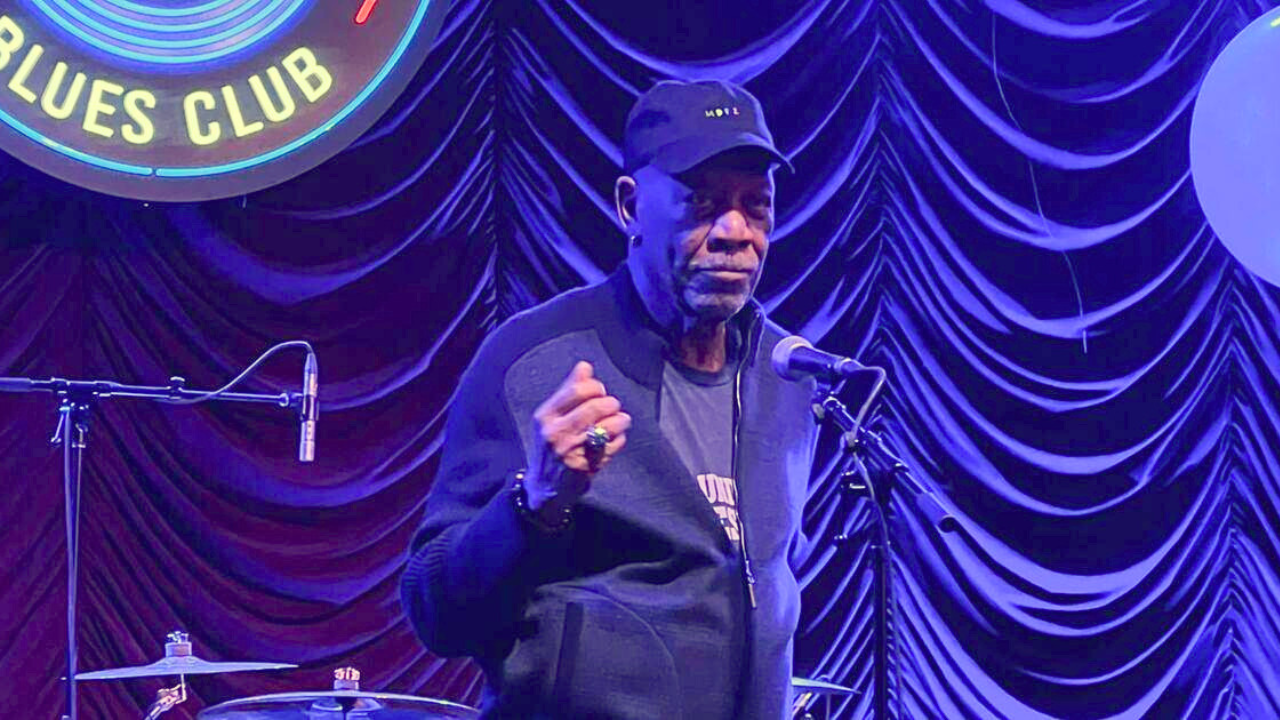
Freeman’s involvement in Biloxi grew out of a venture he helped establish more than two decades earlier.In May 2001, the actor opened the original Ground Zero Blues Club in Clarksdale with Bill Luckett and Howard Stovall. Located in the Mississippi Delta, the venue was created to give visitors a place to experience live blues in a region closely associated with the development of the genre.The club’s official history traces its inspiration to local juke joints, where musicians performed in intimate settings for residents and visitors. Ground Zero sought to preserve that atmosphere while giving artists a dedicated stage.Biloxi offered a different setting for the idea. The coastal city has a commercial and cultural identity shaped by tourism, casinos, restaurants and its Gulf Coast location. The new club extended the Ground Zero name to another part of Mississippi.Freeman partnered with New Orleans businessman Eric Meier and brothers Lee and Jeff Young to establish the Biloxi venue. Lee Young was also involved in The District on Howard, a redevelopment project intended to bring businesses and activity back to the historic corridor.Freeman visited the building while renovations were under way. In October 2022, he made an unannounced appearance at the operating club. According to the Sun Herald, patrons were surprised when he came downstairs and took the stage. It was his first visit to experience the completed venue in operation.His involvement brought national attention to the project, connecting the Biloxi venue with his longstanding association with Mississippi blues.
Hundreds of performances bring audiences to Biloxi
By July 2026, Ground Zero had developed an extensive live-music programme. Production manager Mick Steele told the Sun Herald that the venue hosts as many as 400 performances annually. Its schedule includes established blues performers and emerging artists from across the country.The programme gives musicians a place to reach audiences in a venue that combines the intimacy of a neighbourhood gathering spot with the facilities of a larger entertainment business. Some visitors arrive specifically for the music, while others come for dinner and stay for a performance.The restaurant broadens the club’s appeal beyond concertgoers. Its menu draws on Southern comfort food, Mississippi Delta traditions and Gulf Coast seafood. Alongside familiar regional dishes, it includes offerings such as boiled peanut hummus.The combination of dining and live music has helped establish the club as a destination throughout the week. In June 2025, the venue expanded into the building’s second and third floors, bringing its reported total area to about 20,000 square feet.The development introduced the Back Room Lounge, featuring a bar and balcony seating, as well as a larger event space for weddings, parties and other private gatherings. The additional floors allow the building to accommodate a wider range of activities, from concerts to celebrations and social events.
Local history finds a place above the stage
The Back Room Lounge features historical photographs, murals and memorabilia connected with the Mississippi Gulf Coast. Images associated with Elvis Presley and Biloxi’s entertainment history appear alongside displays celebrating the region’s seafood industry, Mardi Gras traditions and coastal culture.These collections place the club within the broader history of the city. Although blues music remains central to its identity, the displays celebrate the traditions that have shaped the Gulf Coast.The building also holds an unusual feature beneath its floors. During preparations for Ground Zero’s opening in 2022, a trapdoor revealed an underground passage beneath the property. The Sun Herald reported that the tunnel extended towards the middle of Howard Avenue. Biloxi City Attorney Peter Abide said it had once continued in the direction of City Hall on Main Street, although portions had been filled in.The tunnel has fuelled speculation about possible connections to Prohibition-era liquor smuggling, when illegal alcohol sales flourished across the United States. Its discovery added another layer to the history of a building that has served Biloxi through several commercial and entertainment eras.
A wider revival along Howard Avenue
Ground Zero’s opening coincided with renewed efforts to redevelop downtown Biloxi. The club became an anchor business in The District on Howard, a mixed-use project involving historic properties, restaurants, accommodation and other commercial ventures.When the venue opened in 2022, parts of Howard Avenue still had vacant storefronts and properties for sale. By June 2023, a Sun Herald report described a changing district, with properties being sold or renovated and new businesses and accommodation projects emerging along the corridor. Work was also continuing on nearby landmarks, including the Saenger Theatre.Ground Zero provided a regular destination for visitors and demonstrated how a historic commercial property could be adapted for contemporary use. Its concerts brought audiences to Howard Avenue, while the restaurant and event spaces offered additional reasons to visit.The club’s expansion added further activity to the corridor, giving the building a role in the district’s changing commercial landscape. Its presence has coincided with investment in neighbouring properties and efforts to attract new businesses to the area.The redevelopment of Howard Avenue has brought together property owners, developers and city officials working to restore the historic district. Ground Zero has become one of the prominent businesses contributing to that effort, drawing customers into a part of downtown that had struggled to sustain commercial activity.
Giving a historic building a future
The former Kress Building has moved through several identities, from department store to entertainment venue and now to a multi-level blues club and restaurant. Each transformation has given the property a new purpose while retaining its place in Biloxi’s historic commercial district.Freeman’s involvement connected the project to Mississippi’s blues tradition and brought a recognisable public figure to the redevelopment effort. The venue’s programme of concerts, restaurant operations and private events has since established it as a destination for residents and visitors.Today, people enter the old commercial building for live music, Southern food and gatherings. Historical photographs and memorabilia connect the experience to the region’s past, while the stage gives the property a new role in the city’s cultural life.The Kress Building no longer sells department-store goods. Instead, it welcomes musicians, diners and visitors beneath the same historic façade, turning a former retail destination into a gathering place for the blues. Along Howard Avenue, its transformation has become part of Biloxi’s effort to give its historic downtown a new lease on life.