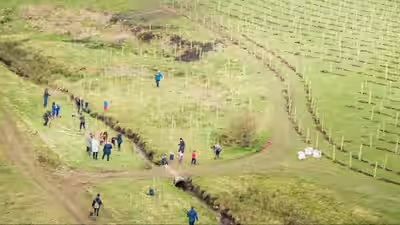
A stand of eucalyptus trees planted in Argentina’s vast ‘Pampas grasslands’ was found to be reshaping the water beneath its roots. A study titled ‘Hydrological consequences of Eucalyptus afforestation in the Argentine Pampas’ examined how a 40-hectare plantation of ‘Eucalyptus camaldulensis’ affected local groundwater compared with the surrounding native grassland. Scientists found that the trees used water at rates of up to 3.7 millimetres per day, drawing enough from below the surface to lower the groundwater level by more than half a metre. As the water table beneath the plantation fell, groundwater from the surrounding grassland began moving towards the trees. The study also showed that the eucalyptus changed its water sources with the seasons, relying more heavily on deep groundwater when the upper soil layers became dry. The findings reveal how replacing grassland with deep-rooted trees can alter an entire local water system.
How did eucalyptus trees in Argentina pull groundwater down by more than half a metre
The research focused on a 40-hectare plantation near Castelli in the Flooding Pampas of central Argentina. According to the study, the plantation had been established in 1951 and was surrounded by native grassland. The researchers monitored the site for two years, combining measurements of water moving through the trees with groundwater levels and soil moisture. Their results showed that the eucalyptus plantation released water through its leaves, at an average rate of about 2 millimetres per day, reaching peaks of approximately 3.7 millimetres.That demand for water had a clear effect underground. The study found that groundwater levels beneath the plantation were more than ‘0.5 metres lower’ than those in the surrounding grassland. The difference created an underground gradient that encouraged water to move horizontally from the grassland towards the plantation. In other words, the trees were not simply using the water already beneath them. Their water use was also drawing groundwater in from the neighbouring landscape. At night, when transpiration slowed, groundwater beneath the plantation could rise again as water flowed into the area.
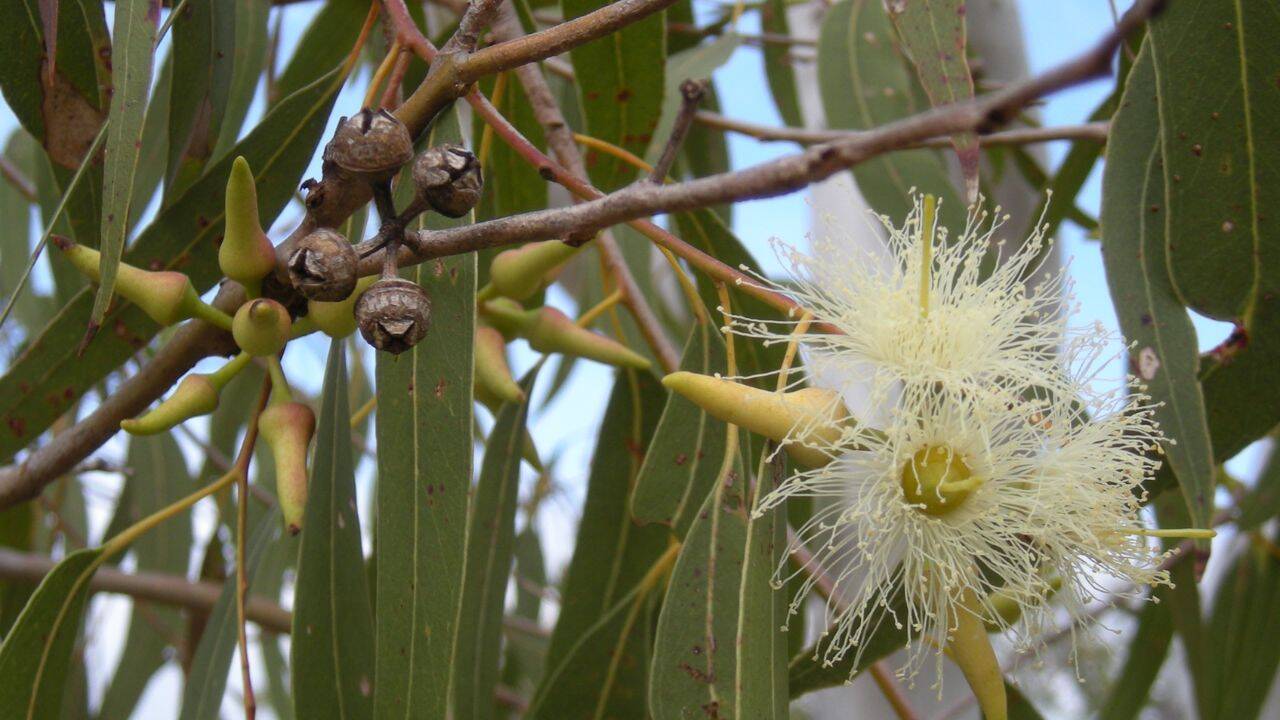
Eucalyptus tereticornis buds, capsules, flowers and foliage. Image Credit: Ethel Aardvark/Wikipedia
The eucalyptus switched their water source when the soil dried up
The eucalyptus trees did not rely on a single source of water throughout the year. According to the study, the trees used moisture stored in the unsaturated upper layers of soil as well as deeper groundwater. When the upper soil was relatively wet, that soil moisture could provide a substantial share of the water used by the trees. Conditions changed as the summer became drier. As surface soil moisture declined, the trees increasingly depended on water from below the water table. During the driest periods, the researchers found that Eucalyptus behaved almost entirely as a groundwater-dependent species.The change was especially important because the trees could continue accessing deep water even when the upper layers of soil had dried out. Native grasses, by contrast, generally had much shallower root systems. The study reported that grassland roots typically extended to around 1 to 2 metres, while roots in the eucalyptus plantation reached depths of about 5 to 6 metres. That difference gave the trees access to water beyond the reach of much of the surrounding vegetation.The study suggested that roughly 67% of the water used by the eucalyptus trees over a year came directly from groundwater. The researchers estimated that direct groundwater uptake through the roots amounted to approximately 395 millimetres per year. The remaining water came largely from moisture held in the soil, with rainfall also contributing to the overall water system. The study found that precipitation and groundwater flowing in from the surrounding grassland were both major inputs to the plantation.
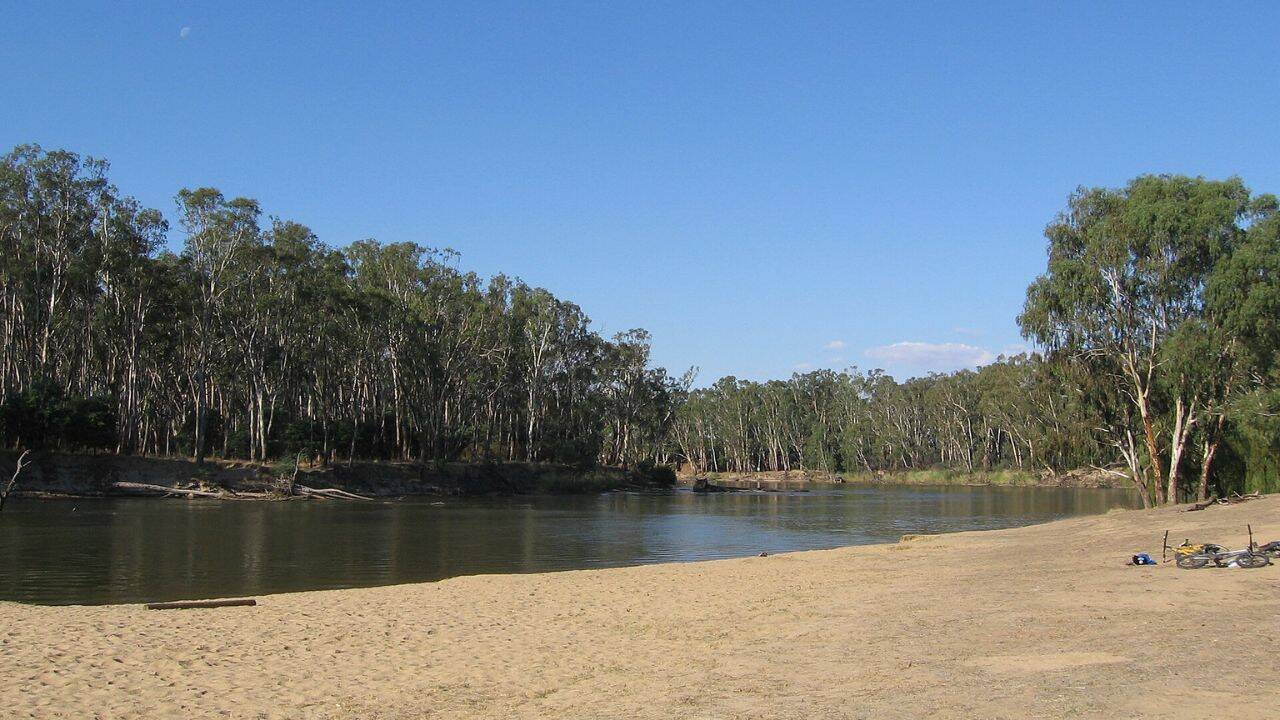
E. camaldulensis, showing collective crown habit. Image Credit: Wikipedia
How did the deep water table redirect groundwater towards the eucalyptus
Measurements showed that the difference in groundwater levels between the grassland and plantation ranged from around 0.2 to 0.6 metres. This meant that the eucalyptus plantation effectively became an area towards which groundwater flowed. Water moved from the shallower water table beneath the grassland towards the deeper water table beneath the trees. The researchers also observed daily fluctuations in groundwater beneath the plantation of up to 15 centimetres during periods of high water use. Groundwater levels fell during the day as the trees drew water through their roots and rose at night as water moved back into the plantation area.
The findings show how afforestation can reshape grassland hydrology
The study’s broader message concerns what happens when deep-rooted trees replace naturally treeless grasslands. The Pampas are extremely flat, and groundwater lies relatively close to the surface across much of the region. Under these conditions, a plantation capable of reaching and using groundwater can alter the normal movement of water through the landscape. The researchers concluded that large-scale eucalyptus planting could produce seasonal changes in groundwater levels and surface soil moisture compared with conditions under native grassland. Water tables may also remain low for longer after dry periods because the trees continue drawing heavily on groundwater.The findings do not suggest that every eucalyptus plantation will produce identical effects. Soil conditions, rainfall and the movement of groundwater can all influence the outcome. Yet the Castelli plantation offered a striking example that when land use changes above the surface, some of its most significant consequences may be unfolding silently beneath it.