Avocados growing in Nicaragua may carry a remarkable record of ancient human migration across the Americas. A new study published in ‘Plants, People, Planet’ has found that several avocado varieties growing in Nicaragua are genetically distinct from the commercial varieties commonly found today and are more closely related to avocado populations from South America. The findings suggest that people may have carried avocado seeds northwards from South America thousands of years ago, helping to create the unusual diversity now found in Central America. A team of scientists led by researchers with the ‘Smithsonian’s National Museum of Natural History and Texas A&M University’ reached this conclusion by combining genetic analysis of avocado leaf samples with information gathered from local farmers and gardeners. The study also highlights why these traditional avocado varieties could be important for the future of agriculture.
What makes these Nicaraguan avocados unique
The researchers found that Nicaragua’s lowland avocados are genetically different from the commercial fruits that dominate modern markets. Some of the Nicaraguan fruits can look remarkably similar to large, smooth-skinned avocados grown commercially in tropical regions, but their genetic history is different. As per the study, researchers collected leaf samples from native avocado landraces in Nicaragua, Honduras and southern Mexico. In total, they obtained DNA from 47 native landraces, including 32 from Nicaragua, and compared the results with genetic information from more than 200 other avocado lineages.The comparison revealed an important geographical pattern. Avocados from southern Mexico were closely connected to ancestral highland populations in Mexico and to commercial varieties. The lowland Nicaraguan avocados, however, showed a stronger genetic connection with populations farther south, including those associated with South America. That difference is significant because appearance alone might suggest that the fruits belong to similar groups. But their DNA tells a different story.
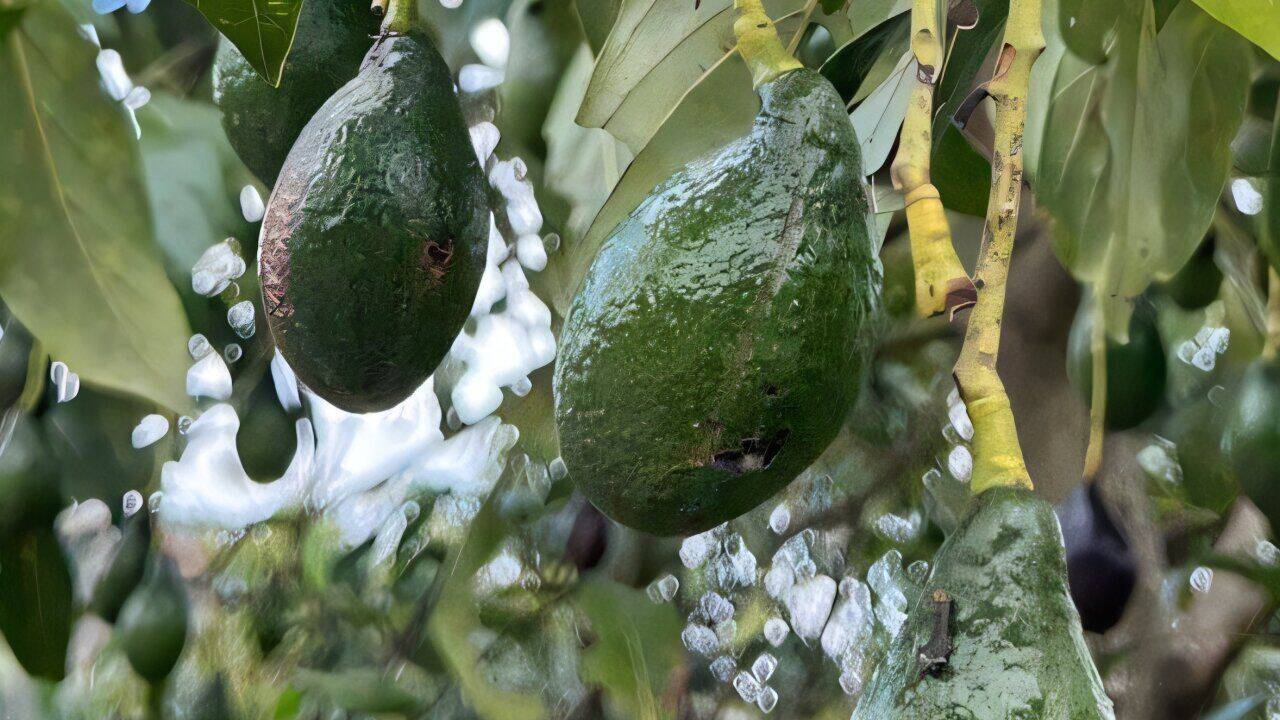
Fruits produced by a native avocado tree growing in Mexico. Image Credit: Kevin Wann, 2024 Missing Migrants Project
How could avocados from South America have reached Nicaragua
The genetic evidence points towards ancient human movement as a possible explanation. The study suggests that people migrating northwards from South America may have carried avocado seeds with them thousands of years ago. The researchers estimate that these movements could have occurred around 5,000 years ago. As people travelled through Central America, the avocado seeds they carried may have been planted in new environments and interacted with local varieties. Over generations, this process helped produce the diverse collection of avocado landraces found in the region today.This interpretation also fits a wider pattern of plant movement across the Americas. The study points to evidence for the northward movement of other South American crops, including plants such as ‘cassava’ and varieties of ‘maize.’ Therefore, these findings provide another indication that ancient communities were moving useful plants over considerable distances and influencing the landscapes in which they lived.
Why did researchers speak to local farmers
DNA was only part of the investigation. The researchers also spoke with farmers and gardeners in Nicaragua and Honduras to understand how local avocado varieties are grown and maintained. That information was important because traditional farming has played a role in shaping these plants over thousands of years. Farmers know which trees survive in particular conditions, which fruits are useful and how different varieties are maintained or combined.The local farmers make good use of the qualities of native trees. Some Nicaraguan farmers graft branches from commercial avocado varieties onto native avocado trees, which are better adapted to local conditions. Farmers also reported that the lowland landraces had not experienced ‘root rot,’ described in the study as a major disease affecting commercial avocados.This combination of scientific data and local knowledge helped researchers see the avocado diversity of Central America in a broader way. Instead of treating agriculture and biodiversity as separate subjects, the study examined how the two have influenced one another.
Could these ancient varieties help protect modern avocados
Modern commercial avocado production relies heavily on a relatively small number of widely cultivated varieties. That limited genetic diversity can make crops more vulnerable when diseases, changing temperatures or shifts in rainfall create new challenges. The Nicaraguan landraces offer a much broader genetic resource. Because they have been cultivated and adapted to warm, wet environments for generations, some could contain characteristics that may be useful for future avocado breeding.The study suggests that these plants could contribute to efforts to make commercial avocado production more resilient. Their value is not necessarily limited to the fruit they produce today. Their genetic differences could provide traits that breeders may eventually use to develop varieties better suited to disease pressure or changing environmental conditions. Researchers have warned, however, that this diversity could be lost. Some Nicaraguan farmers have removed traditional avocado trees to make room for commercial varieties. If enough local trees disappear, unique genetic characteristics that have developed over thousands of years could disappear with them.

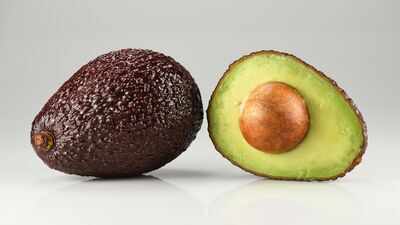
Sliced Avocado. Image Credit: Wikipedia
What does the discovery reveal about the history of avocados
The findings show that the history of the avocado is closely connected to the history of people. The plants growing in Nicaragua are not simply wild relatives or unusual versions of modern commercial fruit. Their genetics may preserve evidence of ancient journeys, farming traditions and interactions between people and plants.This study demonstrates how much can be learned by combining DNA evidence with the knowledge of the people who continue to grow traditional crops. In Nicaragua, trees that may appear ordinary at first glance are carrying genetic clues to movements that happened thousands of years ago. For modern agriculture, those trees may hold another kind of history, one that could help protect the avocado from future threats. Preserving the diversity created by ancient farmers could therefore become an important part of keeping the fruit resilient for generations to come.