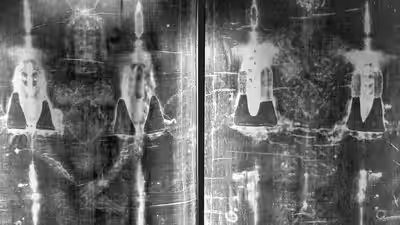
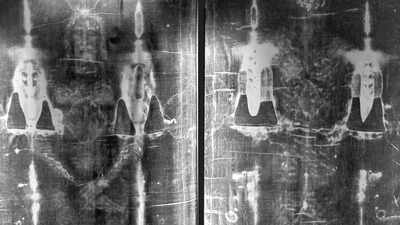
Nearly 50 years after samples were officially collected from the Shroud of Turin, scientists have used advanced genetic sequencing to reveal just how much biological material the linen cloth has accumulated over the centuries. Researchers applied a technique known as PCR-free next-generation metagenomic sequencing, a method that reads genetic material directly without amplifying it first, to the official 1978 sample collection, uncovering multiple human mitochondrial DNA lineages alongside a wide-ranging microbiome of bacteria, fungi and salt-tolerant microorganisms. The study also detected DNA from cultivated crops, domesticated animals and even Mediterranean red coral, offering a detailed picture of the many people, places and environments the shroud has passed through, though researchers are clear that none of this settles the long-running debate over its age or authenticity.
What the genetic testing actually found
According to a press release from the University of Padua, one of the institutions involved in the international research collaboration, the study analysed DNA extracted from the official 1978 sample collection taken from the shroud, applying rigorous, contamination-controlled sequencing methods to characterise the full range of genetic material present within the fibres. The analysis identified several distinct human mitochondrial DNA lineages, pointing to repeated contact with different individuals over an extended period, alongside a diverse microbial community that included bacteria, fungi and microorganisms specifically adapted to salty conditions.Beyond human and microbial traces, researchers also detected genetic material from a range of plant and animal species. According to Professor Noemi Procopio of the University of Lancashire, who contributed to the study, the plant DNA identified included cultivated wheat, carrots, corn, bananas and peanuts, while animal DNA traced back to cattle, pigs, chickens, dogs and cats, evidence the researchers say reflects the range of environments and handling the shroud has experienced throughout its documented history.
Why the findings cannot confirm the shroud’s age or origin
The study, published in the journal Scientific Reports titled DNA signatures preserved in the official 1978 sample collection of the Shroud of Turin, is careful to state that its results do not establish when the shroud was actually made or whether it is authentic. Centuries of repeated human contact and environmental exposure have layered so much biological material onto the cloth that researchers cannot confidently isolate any DNA specifically tied to the shroud’s earliest, most historically significant period.What the study does demonstrate is a different kind of value, showing how modern forensic genomics and proteomics techniques can reconstruct meaningful aspects of an object’s biological past even when its central historical question, in this case authenticity, remains unresolved. According to Procopio, the shroud functions as a rich archive of genetic information built up through centuries of human interaction and environmental exposure, one that this kind of advanced DNA analysis can now begin to read in far more detail than was possible when the original samples were first collected nearly 50 years ago.
Why researchers see this as significant beyond the shroud itself
The research team frames the study’s real contribution as methodological, demonstrating that historical textiles and artefacts can serve as genuine genetic archives capable of yielding detailed information about their handling and environmental history, even when questions about their original creation remain permanently out of reach. This approach mirrors a growing body of similar forensic genomics research applied to other historical objects, from ancient manuscripts to shipwreck cargo, where researchers have used comparable DNA extraction techniques to trace an object’s journey through history via the biological traces it accumulated along the way.For an object as extensively studied and debated as the Shroud of Turin, this kind of work offers a way to keep learning something genuinely new from samples that have already been examined repeatedly over previous decades. Rather than attempting once again to settle the shroud’s authenticity, the study instead adds a detailed, scientifically grounded layer to what is already known about its more recent history, the people who have handled it, the environments it has passed through, and the wide variety of biological material it has picked up along the way.
What happens next for shroud research
The study’s authors note that the underlying question of the shroud’s age and origin remains as contested as ever, an issue that DNA evidence of this kind is simply not equipped to resolve, given how thoroughly centuries of handling have mixed genetic material from many different sources into the fabric. What advanced sequencing methods can offer instead is a steadily improving picture of the shroud’s more recent biological history, one that researchers expect to keep refining as forensic genomic techniques continue to improve in sensitivity and precision.For now, the Shroud of Turin remains what it has long been, an object whose deeper historical questions continue to resist definitive scientific resolution, even as new techniques reveal an increasingly detailed record of the more recent chapters of its story.